
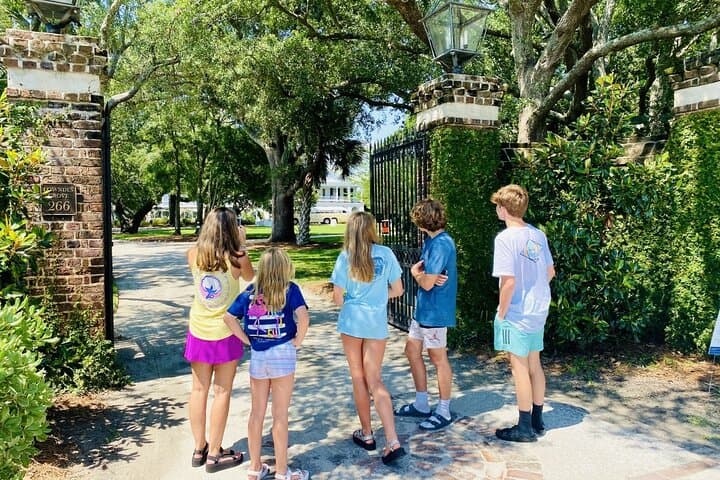
What the day feels like
You step off King Street into a late-morning that feels like a film set itself—warm light slanting through live oaks, Spanish moss drifting like slow-motion confetti. The guide’s SUV hums to life, leather seats and air-conditioning offering a quiet cradle between locations. There’s a small cache of props in the back—snacks, bottled water, a grin that says this will be part history lesson, part behind-the-scenes gossip. For fans who’ve watched the waves and the chase scenes unfold on screen, this private, three-hour drive through Charleston’s cinematic corners is the kind of trip that makes a TV show feel close enough to touch. Book it here: <a href="https://app.advcollective.com/local-experts/outer-banks-film-locations-tour-in-charleston-official-obx-filming-sites-private-suv-experience">Outer Banks Film Locations Tour</a>.
The appeal is twofold. On one hand, there’s the thrill of recognition—streets, beaches, and older storefronts that doubled for fictional neighborhoods—and on the other, a contextual layer: why Charleston, with its particular light, architecture, and coastal logic, can stand in for someone’s imagined Outer Banks. The guide on this tour brings the two together. A background actor on multiple seasons, they thread cast-and-crew anecdotes through factual history: why a scene was shot on a particular pier, how a production crew rerouted traffic, or why a seemingly mundane cul-de-sac became a pivotal set piece. The result is both intimate and instructive: you leave with new knowledge of filmmaking logistics and a refreshed map of Charleston’s own character.
Charleston’s film-friendly reputation isn’t accidental. The city’s long, low light and preserved architecture make it easy to dress for different eras and atmospheres. Historic homes, antebellum facades, and marshy waterfronts—plus cooperative local infrastructure—have made Charleston a repeat stand-in in film and television. Local tax incentives and a skilled talent base helped too; in this experience, the guide’s insider access lets you peer behind choices that are usually invisible on screen. You’ll pass places where cameras rolled, learn which storefronts were altered for one scene and then restored, and hear the small contradictions that often happen between script and reality.
The tour is practical: three hours in a private luxury SUV, with a minimum of two and a maximum of four guests, so conversation and questions can flow. Stops are brief but focused—walks tend to be short and on paved streets or boardwalks, making the tour accessible to most people who can manage short strolls. Snacks, bottled water, and a few surprises are included; if a private event locks a location, the guide substitutes a comparable stop and explains the production reason behind reroutes and closures.
Why this matters for travelers: film tourism is more than fan service. It’s a way to experience place through story, and Charleston rewards that curiosity. You’ll see how a neighborhood’s history—the merchant economy, the maritime culture, the layered architecture—makes it visually and narratively compelling. For photographers, the stops skew toward compositions with texture: salt-stained wood, ironwork, and tidal marshes that give depth to wide shots. For families and small groups, the private format keeps noise low and sightseeing efficient.
Practicalities are straightforward. The tour departs in Charleston (meeting logistics provided at booking), runs roughly three hours, and costs from the stated rate; it’s an instant-confirmation, private tour with free cancellation options. Expect air-conditioning, comfortable seating, and an approachable pace—this is not a race across town, it’s a curated show-and-tell designed to balance driving time and meaningful stops. If you’re hoping to walk long trails or stand on beaches for extended shoots, know that the itinerary favors urban and shoreline set pieces that are accessible without long hikes.
Timing matters. Spring and fall light are best for photography (softer, longer shadows), while summer brings that salt-air glow but also afternoon heat and larger crowds. Winter is quieter, offering a different mood—muted palettes and emptier streets—but can be cool and windy. Bring sensible footwear for short walks, sun protection for exposed stops, and a small pack for personal items. If you want to prime questions—ask about continuity errors, how props are sourced locally, or what it takes to close a street—your guide will likely have stories.
This tour is for committed fans, curious travelers, photographers, and anyone who appreciates the mechanics of place-making. It turns the passive act of watching into an active exploration of how landscape, architecture, and people come together to make a story look effortless. When you step back into the SUV at the end, you’ll carry more than a list of locations; you’ll have a richer sense of how Charleston’s own rhythms and layers can be reimagined on screen—and how, sometimes, the real story is what it takes to make the reel look real. Reserve your seat and get the full local perspective here: <a href="https://app.advcollective.com/local-experts/outer-banks-film-locations-tour-in-charleston-official-obx-filming-sites-private-suv-experience">Outer Banks Film Locations Tour</a>.
If you only remember one thing from the trip, remember this: film locations are lenses on place. A street that looked familiar on your phone becomes an archive when you hear about its past life, its municipal headaches, the carpenters who built a temporary facade. That context is what transforms a string of Instagrammable stops into a layered half-day that returns the pleasure of discovery and leaves you with stories to tell.
Trail wisdom
Small choices, better day.
Expect Short Walks
This is primarily a driving tour with brief stops—wear comfortable shoes for quick strolls across streets, boardwalks, and piers.
Bring Sun Protection
Charleston’s coastal glare intensifies during summer—pack sunscreen, a hat, and sunglasses even for short outdoor pauses.
Charge Your Camera
You’ll want photos at multiple stops; keep devices charged and bring spare memory/cards for high-res shots.
Ask About Accessibility
Tour is private and adaptable—ask the guide about mobility needs before booking to confirm stop access.
Local knowledge
Read the place, not just the route.
Watch for native species including Royal Terns (coastal birds), Marsh herons (great blue heron).
Keep an eye out for wildlife during the transition between areas and habitats. Respect distance guidelines.
Production crews often work with city agencies to protect historic facades and public spaces—respect closures and stay on designated walkways to reduce wear on fragile sites.
Follow the guide's instructions on size limits, ethical handling, and leave-no-trace practices.
A little-known fishing pier with unexpectedly cinematic marsh views. A narrow carriageway alley where crew often staged night exterior shots
Locally recommended viewpoints and quiet spots known best to local operators.
Charleston was founded in 1670 as Charles Town and evolved into an important colonial port; its layered architecture and maritime economy have long made it culturally and visually distinctive.
Maritime roots and regional tradition shape the waterways and working coasts.
Seasonal guide
Four versions of the same landscape.
Spring
Best forMild weather · Photography · Blooms and softer light
ChallengesUnpredictable showers · Higher spring break crowds
Spring offers some of the best light for photography and comfortable touring conditions, with occasional rain showers—pack a light rain shell.
Summer
Best forExtended daylight · Lush coastal colors
ChallengesHigh heat and humidity · Busier streets and attractions
Summer brings strong sun and humidity; early departures avoid the hottest hours and heavy tourist traffic.
Fall
Best forCrisp light · Smaller crowds · Comfortable temperatures
ChallengesShortening daylight · Occasional storms
Fall balances pleasant temperatures and clear skies—ideal for photographers and small-group tours.
Winter
Best forQuiet streets · Moodier, cinematic skies
ChallengesCool winds near the water · Some outdoor stops colder
Winter visits are peaceful and atmospheric—pack layers for brisk coastal winds and shorter daylight windows.
Operator details
What the booking data adds.
Included
- ✓Snacks
Good to know
- ✓Service animals allowed
- ✓Public transportation options are available nearby
- ✓Not recommended for travelers with spinal injuries
- ✓Not recommended for travelers with poor cardiovascular health
- ✓Suitable for all physical fitness levels
Pack with intention
What to bring.
Good to know
Common questions.
The tour lasts three hours and includes a private luxury SUV, snacks, bottled water, insider commentary from a guide with background-actor experience, and several short stops at filming locations.
Plan the edges
The details that make the day easier.
Charleston was founded in 1670 as Charles Town and later shortened to Charleston; its well-preserved historic district is one of the most complete collections of colonial, antebellum, and Victorian architecture in the United States.
After the tour, head to a waterfront oyster bar or downtown bistro—try local shrimp and grits or a fresh oyster platter and stroll King Street for craft shops and local breweries to round out the day.
- Closest airport
- Charleston International Airport (CHS); Typical drive to downtown meeting point: ~12 miles
- 20 minutes; Cell service
- reliable in city, may be spotty at some shoreline stops; Permits: none required for guests—local filming permits handled by production.
Support local businesses and minimize impact—stay on sidewalks and boardwalks, take photos without disturbing neighborhoods, and dispose of any trash in city receptacles.
Explore by topic
Follow the threads.
Keep exploring
Make the story part of the trip.
In four hours you can move from shaded canyon ferns to wind-scoured coastal ridgelines, guided by someone who knows where the light—and the hidden views—live. This private half-day hike on the Monterey Peninsula or Big Sur is compact, curated, and perfect for travelers who want depth without a multiday commitment.
 Related story
Beneath a sky of shifting light, Skaftafell’s ice reads like a map of time. This three-hour guided glacier hike mixes technical instruction with geology and culture: compact, safe, and unforgettable.
 Related story
Lose the city for a few hours without leaving it: this 5-mile, 900-foot-gain Forest Park loop threads old-growth pockets, city viewpoints, and cultural landmarks for a compact taste of Portland’s wild side. Expect moss, roots, and stories.