
What the day feels like
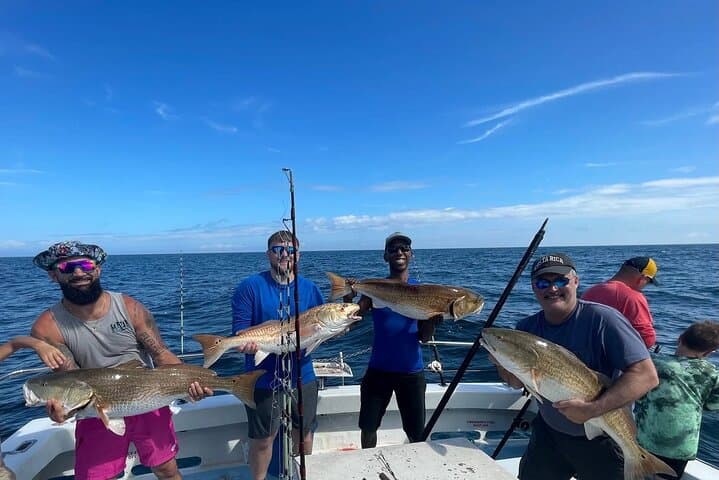
You push off at dawn and the coastline shrinks into a pale thread. The boat hums, wakes lace the sea, and the salt air takes on a different flavor—brighter, charged. In the Carolinas that change often means you’re approaching the Gulf Stream: a warm, cobalt artery where the ocean goes deep fast and pelagic fish congregate like commuters at a subway stop. On a full-day charter from Calabash, the day rearranges itself around that current: coffee mugs, bait boxes, and the taut arc of a rod as mahi or wahoo explode out of the blue.
Gulf Stream fishing off the Calabash-Myrtle Beach coast is paradoxically accessible and wild. The shelf drops away 40–60 miles offshore, so big-water species come within reach in a single long day. That’s the practical core of the trip: twelve hours aboard a well-equipped charter, experienced captains reading water and birds, anglers trading stories and techniques while the sun arcs overhead.
Geology and oceanography put on the show. The Gulf Stream is a giant conveyor of heat and life, a fast-moving boundary between cooler continental shelf water and the deep Atlantic. Where eddies peel off the current, floating weed lines and temperature breaks form—tiny ecosystems that attract baitfish and the predators that follow them. For anglers that means concentrated action; for photographers it means lines, color, and momentary chaos as fish jump and birds dive.
Calabash itself adds a cultural note that feels perfectly scaled to the day’s rhythm. The town is famous for its seafood—lightly battered, fried, and called “Calabash-style”—a local culinary shorthand for the coast’s relationship with the water. On return, the sight of a harbor, the smell of frying batter, and a cold beer are a kind of punctuation.
The boats on these charters are built for the long haul: roomy cockpits for fighting fish, enclosed cabins for rest and shade, and top-tier rods and reels so you’re not rolling the dice with your own equipment. Captains are local technicians of current and tide, capable of reading a slick of birds or a temperature change on a fish-finder and moving in to where the action is. Target species vary by season—mahi (mahi-mahi), wahoo, tuna, and occasional billfish—but the core appeal is the repeated, visceral contact with big, fast fish in open water.
Practical realities matter. This is a 12-hour day (the listed itinerary runs roughly 720 minutes), and you’ll be offshore 40–60 miles. That means sun management, hydration, and pacing. Seas can be calm as glass or choppy enough to remind you why motion-sickness meds exist. Phone service fades as you push into the deep blue; battery your camera and trust a printed confirmation or the captain’s rendezvous point. Cost is accessible for a full-day charter—starting around US$245 per person—especially when factoring in the vessel, crew, bait, and tackle.
For first-timers, the trip is refreshingly non-intimidating. The crew handles the technical bits—baiting, gaffing, and filleting—and you get the part people remember: the rod bending, the shout, the hand-off, the moment when something heavy boils at the surface. For experienced anglers, the challenge is finesse: lagging the drag just right on a 40-pound wahoo, patterning fish on a patch of floating sargassum, or honoring releaseable species with quick, careful handling.
Safety and sustainability are woven into modern charters. Captains work within state and federal regulations—size and bag limits, seasonal closures—and most emphasize circle hooks and rapid release for billfish or over-slot species. Anglers who want to keep their catch should check in advance about cleaning and packing fish; most boats will fillet and ice fish for an extra fee.
When to go? Summer brings the electric colors and high-season mahi; late spring and early fall offer superb wahoo and the chance for tuna. Winter is quieter but can still produce surprises when warm-water incursions occur. The best single piece of planning advice is simple: watch the forecast and pick a calm day. A flat sea makes for easier fishing and a more enjoyable 12-hour haul.
The day ends predictably: fish on ice, stories compared on the dock, and a dinner plan that often includes the same ocean you just left. Whether you’re a first-timer wanting a taste of open-ocean action or a salty angler chasing a short-window bite, a Gulf Stream trip from Calabash delivers a clean, focused adventure—equal parts skill, luck, and the stubborn generosity of the sea.
Trail wisdom
Small choices, better day.
Prep for a 12-hour day
Bring layered sun protection, snacks, and a full water bottle—offshore days are long and exposure-heavy.
Manage seasickness
If you’re prone to motion sickness, take medication the night before and again before boarding; ginger or acupressure bands help too.
Protect your eyes
Polarized sunglasses cut glare and let you read subtle water color changes that hint at bait or weedlines.
Respect regulations
Know size and bag limits for the season and be ready to release protected species quickly and safely.
Local knowledge
Read the place, not just the route.
Watch for native species including Dolphins, Sea turtles.
Keep an eye out for wildlife during the transition between areas and habitats. Respect distance guidelines.
Operators follow state and federal size/bag limits and often use circle hooks and quick-release practices to reduce mortality and bycatch.
Follow the guide's instructions on size limits, ethical handling, and leave-no-trace practices.
Shallotte Riverfront for calm, scenic inshore fishing and birding. Local Calabash seafood shacks for post-trip fried seafood and hushpuppies
Locally recommended viewpoints and quiet spots known best to local operators.
Calabash is famous for 'Calabash-style' seafood—lightly battered and fried dishes that grew from local fishing and shore-side traditions.
Maritime roots and regional tradition shape the waterways and working coasts.
Seasonal guide
Four versions of the same landscape.
Spring
Best forTuna sightings · Cooler, stable weather
ChallengesVariable water temps · Early season wind
Spring brings migrating tuna and transitional water; you’ll see mixed species and should watch spring fronts for ideal windows.
Summer
Best forMahi (mahi-mahi) action · Stable warm water
ChallengesStrong sun exposure · Higher charter demand
Summer is peak mahi season—expect bright colors and fast surface action, but bring solid sun protection for a long day.
Fall
Best forWahoo and late-season tuna · Calm, clear days
ChallengesOccasional storms · Shortening daylight
Fall offers big-game opportunities as fish feed ahead of seasonal shifts; weather windows can be prime but short.
Winter
Best forQuiet decks · Opportunistic billfish
ChallengesColder conditions · Less predictable Gulf Stream influence
Winter trips are less crowded and occasionally produce surprising hits when warm-water pockets push north.
Operator details
What the booking data adds.
Included
- ✓Fishing License, Bait, & Tackle
Good to know
- ✓Wheelchair accessible
- ✓Infants and small children can ride in a pram or stroller
- ✓Public transportation options are available nearby
- ✓Travelers should have at least a moderate level of physical fitness
Pack with intention
What to bring.
Good to know
Common questions.
Trips typically run 40–60 miles offshore to reach the Gulf Stream and associated weedlines where pelagic species congregate.
Plan the edges
The details that make the day easier.
Calabash, North Carolina, is widely credited with popularizing 'Calabash-style' seafood—lightly battered and fried seafood served at small shore-side eateries.
After a long day at sea, locals head to Calabash for perfectly fried seafood and hushpuppies—look for family-run shacks serving Calabash-style platters. If you’re staying in nearby Myrtle Beach, grab a cold beer on the boardwalk and compare fight stories with other anglers.
- Closest airport
- Myrtle Beach International Airport (MYR). Typical drive from Myrtle Beach: ~25–40 minutes to Calabash launch points. Cell service: reliable near shore, limited offshore. Permits: Check state recreational saltwater fishing license rules and confirm operator permit coverage.
Support captains who follow regulations, use circle hooks, and practice rapid release for billfish; pack out all trash and avoid discarding plastics or bait near shore ecosystems.
Explore by topic
Follow the threads.
Keep exploring
Make the story part of the trip.
In four hours you can move from shaded canyon ferns to wind-scoured coastal ridgelines, guided by someone who knows where the light—and the hidden views—live. This private half-day hike on the Monterey Peninsula or Big Sur is compact, curated, and perfect for travelers who want depth without a multiday commitment.
 Related story
Beneath a sky of shifting light, Skaftafell’s ice reads like a map of time. This three-hour guided glacier hike mixes technical instruction with geology and culture: compact, safe, and unforgettable.
 Related story
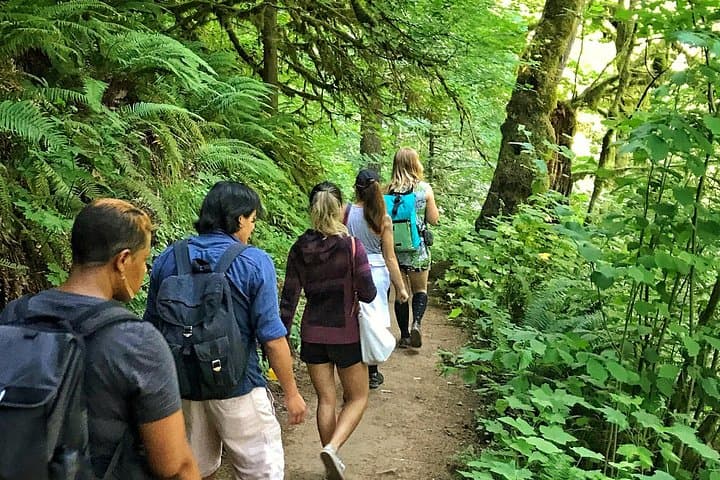
Lose the city for a few hours without leaving it: this 5-mile, 900-foot-gain Forest Park loop threads old-growth pockets, city viewpoints, and cultural landmarks for a compact taste of Portland’s wild side. Expect moss, roots, and stories.