

What the day feels like
You arrive in Viana do Castelo by the low hum of a regional train or the open window of a rental car, and the first thing that strikes you is the way the city leans toward water — not just the Atlantic but the wide, slow breath of the Lima River carving inward. Morning mist lifts off the river and reveals terra-cotta roofs, a scattering of fishing boats, and the white silhouette of the Sanctuary of Santa Luzia perched above it all like a lighthouse for the senses. Walk toward the waterfront and the city lays out its twin histories: one of shipbuilding and Atlantic voyages, the other of pilgrimage and river crossings. Both are still very much alive here.
Viana do Castelo is compact but layered. At street level you find an elegant town center stitched with Manueline and baroque details, public fountains, and the soft clatter of café life. Above, the Monte de Santa Luzia grants a 360-degree sweep across the estuary, the city, and the open ocean — a viewpoint praised by travelers for a century. To the west, the Lima River prepares to join the sea, and its stone bridges and riverside promenades show the city’s long relationship with movement: of sailors, pilgrims, and merchants.
This is a place where landscape and culture trade identities. The shipyards that once shaped wooden hulls for Portugal’s maritime expansion left an imprint on the town’s architecture and the rhythms of local life. The religious pageantry of Romaria de Nossa Senhora da Agonia — the August festival of devotion and costume — still draws parades of embroidered reds and fields of gold filigree jewelry, a striking reminder of how faith and craft weave together here. Outside the city, the old market towns of Ponte de Lima and Barcelos hold their own pockets of history: Ponte de Lima is often called Portugal’s oldest village, its Roman and medieval bridge still used by pilgrims walking the Camino routes.
Geology here is quiet but decisive. The coastline is a meeting of granite headlands and softer sedimentary pockets, creating sheltered estuaries where rivers slow and accumulate sediments. These conditions historically allowed fishing and boat-building to thrive, and they still shape where you swim, cast a line, or take a boat out for the afternoon. Inland, rolling farmland and forested hills make for mellow e-bike routes and short climbs that reward you with ocean views.
How to experience it without missing the reason most travelers come: mix a sense of place with a few practical strategies. Take the funicular up to Santa Luzia to orient yourself. From the sanctuary the vista helps you read the city: the river, the port, the curve of the bay. Wander the historic center on foot — narrow lanes reveal pastry shops and artisanal corners — then hop on an e-bike for a loop that carries you into the hills above the town. If you prefer to feel the road under you, a multi-day motorcycle tour through northern Portugal scratches a different itch, winding through vineyards, coastal towns, and national parks.
Ponte de Lima — a short drive inland — is not to be rushed. Stroll the riverbank, cross the medieval bridge like the pilgrims before you, and sample vinho verde in a tavern that has been doing the same for generations. For a quieter afternoon, ask locals where the natural lagoon lies in the hills above town; this is the kind of swimming spot that feels like a secret but is close enough to be practical for a half-day trip.
Practical notes: the city is walkable but hilly; good footwear matters. Weather on the coast can change suddenly — sunscreen and a light waterproof layer are essential even in summer. If you are traveling from Porto, Viana makes an excellent day trip, but staying a night or two will let you catch sunset over the estuary and the quieter hours when the town slows down.
Timing and logistics also influence the character of your visit. August brings the festival energy and full terraces of restaurants; September offers warm water for swimming with fewer crowds and excellent conditions for cycling. Public transport links are straightforward from Porto, and private or small-group tours will add local context and navigation that make short visits surprisingly full.
Beyond the practical, there are small acts of civility that make a trip here richer: try the local cod preparations to appreciate the fishing tradition, look for filigree jewelry that nods to the gold-work once prominent in festival costumes, and sit with a glass of vinho verde as the light softens over the river. Respect for the fragile dunes and estuary is also part of responsible travel, so stick to marked paths and support locally run restaurants and producers.
Viana do Castelo is not a place that demands conquest; it invites a slower curiosity. Whether you come for the sanctuary views, the river crossings, the fishing town ethos, or to use the town as a base for coastal rides and e-bike explorations, you leave with a clearer sense of how sea and river have shaped a culture of movement and celebration. It’s practical, beautiful, and quietly insistive — a coastal city that will make you slow down enough to notice the details that matter.
Trail wisdom
Small choices, better day.
Take the funicular to Santa Luzia
Ride or walk up to the sanctuary early to beat crowds and orient yourself with the panoramic views of city, river, and ocean.
Pack a waterproof layer
Coastal weather can shift quickly; a lightweight waterproof jacket keeps you comfortable on e-bike loops or viewpoint walks.
Reserve festival tickets and tables in August
Romaria de Nossa Senhora da Agonia draws large crowds; if visiting in August book accommodations and special events well in advance.
Carry local cash for markets
Small vendors and rural wine houses may prefer cash for tastings and crafts; ATMs exist in town but can be limited in smaller villages.
Local knowledge
Read the place, not just the route.
Watch for native species including wading birds in the estuary (egrets, herons), coastal seabirds such as gulls and terns.
Keep an eye out for wildlife during the transition between areas and habitats. Respect distance guidelines.
The estuary and dunes are sensitive habitats; visitors are encouraged to follow marked paths, avoid disturbing bird nesting areas, and support local sustainable producers.
Follow the guide's instructions on size limits, ethical handling, and leave-no-trace practices.
Natural lagoon in the mountain above the city for a secluded swim. Small pastry shops in the historic center serving regional sweets
Locally recommended viewpoints and quiet spots known best to local operators.
Viana do Castelo’s shipbuilding and cod-fishing traditions date back to the Age of Discoveries, shaping the town’s economy and cultural festivals.
Maritime roots and regional tradition shape the waterways and working coasts.
Seasonal guide
Four versions of the same landscape.
Spring
Best forwildflower walks · mild cycling · off-season cultural visits
Challengesoccasional rain · cooler ocean swims
Spring offers green hills and comfortable temperatures for hiking and e-biking; bring layers for variable coastal weather.
Summer
Best forbeach swimming · motorcycle tours · festivals
Challengespeak crowds in August · hot afternoons
Summer is prime for open-water swims and long daylight hours, with festival energy in August but more tourists.
Fall
Best forcycling routes · wine tastings · quieter viewpoints
Challengesshorter days · occasional storms
Early fall keeps warm seas and fewer visitors, making it one of the best times to explore the countryside and riverside towns.
Winter
Best foroff-season quiet · coastal walks · indoor cultural sites
Challengesrain and wind · limited ferry schedules
Winter is quieter and moody, good for introspective walks and museum time; expect stormy seas and more rain.
Pack with intention
What to bring.
Good to know
Common questions.
About 70–80 kilometers by road; it’s a 45–60 minute drive or roughly an hour by regional train depending on service.
Plan the edges
The details that make the day easier.
Viana do Castelo’s Sanctuary of Santa Luzia crowns a hill overlooking the Lima estuary and was highlighted in early 20th-century travel writing for its panoramic views; the town also hosts the Romaria de Nossa Senhora da Agonia, one of Portugal’s most celebrated summer festivals.
Expect seafood-first menus, traditional norte Portuguese hospitality, intricate filigree jewelry, and lively summer festivals that blend religious devotion with local music and dance.
- Closest major hub
- Porto (45–60 minutes). Best base for day trips is either Porto or an overnight stay in Viana. Currency: Euro. Language: Portuguese (English widely understood in tourist services).
Choose small local guides, avoid off-trail exploration on dunes, buy produce and crafts from family-run businesses, and favor eco-certified tour operators for marine or rural experiences.
Explore by topic
Follow the threads.
Keep exploring
Make the story part of the trip.
In four hours you can move from shaded canyon ferns to wind-scoured coastal ridgelines, guided by someone who knows where the light—and the hidden views—live. This private half-day hike on the Monterey Peninsula or Big Sur is compact, curated, and perfect for travelers who want depth without a multiday commitment.
 Related story
Beneath a sky of shifting light, Skaftafell’s ice reads like a map of time. This three-hour guided glacier hike mixes technical instruction with geology and culture: compact, safe, and unforgettable.
 Related story
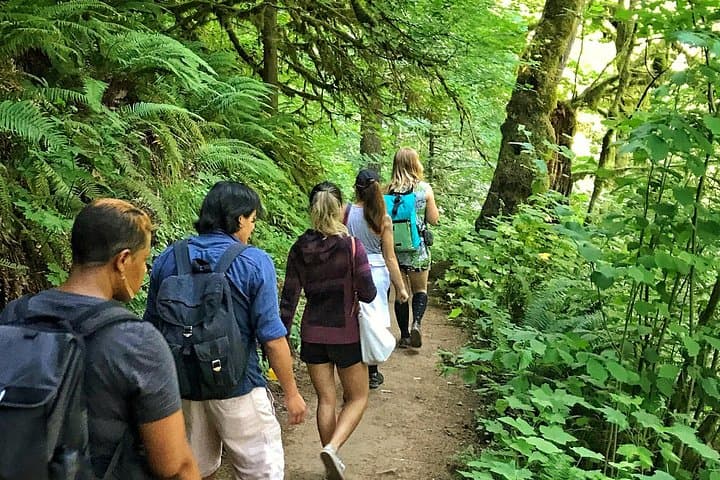
Lose the city for a few hours without leaving it: this 5-mile, 900-foot-gain Forest Park loop threads old-growth pockets, city viewpoints, and cultural landmarks for a compact taste of Portland’s wild side. Expect moss, roots, and stories.