

What the day feels like
The raft nudges off the creek-stone shore and the river takes over. For a few hours you surrender to a current that knows its route better than any map—the Dunajec threading between sheer limestone ribs, forests so close you can feel their breath, and cliffs that lift like the walls of an ancient cathedral. The rafts are simple wooden punts, piloted by raftsmen who, with a practiced shove and a steady pole, turn centuries of local craft into a slow, exacting choreography. Around you, Pieniny National Park unfolds in a close-up that reads like a natural history in motion: raptors wheel, stony ledges drip moss, and tourists fall quiet as the gorge compresses the world into the narrow calculus of water and stone.
This is not whitewater adrenaline. It’s an experience of pace—an invitation to watch. Typical river runs begin in villages like Sromowce Niżne or Sromowce Wyżne-Kąty and end in Szczawnica, 15–18 kilometers downstream, usually taking two to three hours. The tradition of upriver navigation in wooden punts dates back to the 19th century; the raftsmen are custodians of that lineage, their oars and calls a living link to an era when the region’s castles and trade routes relied on the same river.
Geology and history press into one another here. The Dunajec has cut its gorge through Jurassic limestone, exposing layered cliffs and pinnacles that trap light in slices. Pieniny’s karst formations create pockets of rare flora and nesting ledges for birds like the black stork—an infrequent but thrilling sight. Cultural notes arrive along the road to the river: Niedzica Castle perched over Czorsztyn reservoirs, and the wooden Church of St. Michael the Archangel in Dębno, a UNESCO-listed Gothic timber building from the 15th century. Local Goral (highlander) culture flavors every stop—smoked sheep cheese (oscypek), carved woodwork, and the playful accent of mountain songs at village festivals.
Practicalities are simple but matter. Most visitors take organized day tours from Krakow, a two-hour drive along a scenic southern route; private transfers shorten logistics for small groups. Raft departures cluster through the warmer months; boats are steered by experienced raft leaders who brief passengers on safety—stay seated when requested, keep hands inside, and prepare for brief shallow rapids where the raft will meet the river’s faster breath. Expect calm stretches where you can stand, step off, and dangle a hand in the current, and tighter sections where cliffs press in and the raftsmen’s control becomes obvious.
Why go now? The gorge compresses three attractions into one manageable day: a cultural tour of highland villages and castles, a nature immersion inside one of Poland’s earliest national parks (Pieniny NP, established in 1932), and a scene-setting river journey that is both photographic and contemplative. It’s ideal for families who want drama without danger, couples seeking cinematic views, and travelers who prefer a landscape to a summit.
Timing and gear make the difference between an ordinary day trip and a memorable one. Aim for mid-morning departures to catch the lower sun on the cliffs and avoid the peak crowd surge that arrives in July and August. Bring layered clothing—summer in the valley can still be cool in the shade of the gorge—and shoes that tolerate moisture; splashes are part of the ride. A small dry bag for electronics and a compact daypack will keep everything accessible. If your itinerary allows, pair the river with a visit to Niedzica Castle or a walk on the Bachledka Treetop Trail across the Slovak border for a contrasting vantage from the crowns of the trees.
On conservation: Pieniny is a small, highly protected park and the river corridor is sensitive to littering and uncontrolled anchoring. Support operators who follow local rules—licensed raftsmen, limited group sizes, and proper pickup points—and honor quiet zones for bird nesting. Leave no trace and carry out single-use plastics whenever possible.
The Dunajec is an easy romance with the outdoors: modest exertion, big scenery, and cultural punctuation along the road. It’s best approached with curiosity rather than conquest—let the river teach you the pace.
Quick facts: Typical run 15–18 km; 2–3 hours on the water; two-hour drive from Krakow; watch for black stork and peregrine in the cliffs; UNESCO wooden church in Dębno and Niedzica Castle are common combo stops. Practical readiness—good footwear, waterproof layers, and sun protection—means you’ll spend your attention on the river and the high walls that make the Dunajec one of Poland’s most enduring scenic escapes.
Trail wisdom
Small choices, better day.
Book morning departures
Morning runs catch softer light on the cliffs and avoid the biggest mid-day crowds common in July–August.
Bring a dry bag
Electronics and maps stay safe from splashes; smartphones are useful for photos but susceptible to river spray.
Support licensed operators
Choose raft companies that employ experienced raftsmen and follow Pieniny National Park guidelines to minimize environmental impact.
Layer up
Even in summer, shade in the gorge can be markedly cooler than the parking areas—pack a breathable insulating layer.
Local knowledge
Read the place, not just the route.
Watch for native species including Black stork, Peregrine falcon.
Keep an eye out for wildlife during the transition between areas and habitats. Respect distance guidelines.
Pieniny National Park enforces limits on development and river use—support licensed operators and avoid disturbing nesting birds to help preserve the gorge.
Follow the guide's instructions on size limits, ethical handling, and leave-no-trace practices.
Dębno’s wooden church (UNESCO) on the approach route. Quiet viewpoints above Szczawnica for panoramic photos
Locally recommended viewpoints and quiet spots known best to local operators.
Rafting on the Dunajec has roots in the 19th century when rafts transported goods and guests between castles; local raftmen preserved techniques and storytelling tied to highlander culture.
Maritime roots and regional tradition shape the waterways and working coasts.
Seasonal guide
Four versions of the same landscape.
Spring
Best forwater levels that highlight rapids · wildflower displays along banks
Challengescooler temperatures · occasional high runoff in April–May
Spring brings fuller flows and fresh green, but nights are cool and early-season runs may feel brisk—dress accordingly.
Summer
Best forwarm weather and long daylight · pairing rafting with hiking or treetop trails
Challengespeak crowds in July–August · limited early morning raft slots
Summer is the busiest and most convenient season—book ahead and aim for morning departures to avoid volume.
Fall
Best forautumn color on the slopes · fewer tourists and softer light for photos
Challengescooler water and air · shorter daylight hours
Fall offers dramatic foliage and quieter runs; temperatures drop, so layer and expect brisk mornings.
Winter
Best forsnow-dusted scenery from riverbanks · nearby winter sports in Zakopane
Challengesriver rafting is limited or unavailable · cold, shorter days
Most raft services pause in winter; visit for mountain scenery and winter activities in nearby resorts instead.
Pack with intention
What to bring.
Good to know
Common questions.
Most raft runs cover 15–18 km and take about 2–3 hours on the water, depending on stops and current.
Plan the edges
The details that make the day easier.
The Church of St. Michael the Archangel in Dębno dates to the 15th century and is inscribed on the UNESCO World Heritage list for its exemplary timber Gothic architecture.
Goral highlander culture colors the region—look for carved wooden souvenir stalls, try smoked oscypek cheese, and if time allows, visit a local village to hear traditional singing and sample mountain hospitality.
- From Krakow
- ~2-hour drive; raft run: 2–3 hours; typical cost: tour-based (book ahead in summer); nearest base towns: Szczawnica, Sromowce.
Choose licensed raft operators who follow Pieniny NP regulations, pack out waste, avoid single-use plastics, and keep noise low near nesting sites to protect wildlife.
Explore by topic
Follow the threads.
Keep exploring
Make the story part of the trip.
In four hours you can move from shaded canyon ferns to wind-scoured coastal ridgelines, guided by someone who knows where the light—and the hidden views—live. This private half-day hike on the Monterey Peninsula or Big Sur is compact, curated, and perfect for travelers who want depth without a multiday commitment.
 Related story
Beneath a sky of shifting light, Skaftafell’s ice reads like a map of time. This three-hour guided glacier hike mixes technical instruction with geology and culture: compact, safe, and unforgettable.
 Related story
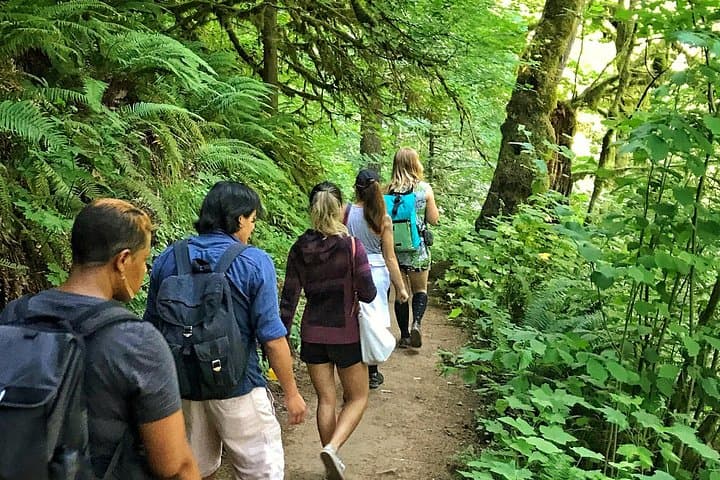
Lose the city for a few hours without leaving it: this 5-mile, 900-foot-gain Forest Park loop threads old-growth pockets, city viewpoints, and cultural landmarks for a compact taste of Portland’s wild side. Expect moss, roots, and stories.