

What the day feels like
You arrive in Puerto Ayora the way most people do—by skiff from Baltra or by a taxi through the town’s dusty main road—hot salt air in your face and a chorus of barking sea lions carrying the welcome. The Charles Darwin Research Station (CDRS) sits a ten-minute walk from the harbor, a low-slung compound of shaded paths, native plantings and orderly enclosures that somehow feels more like a laboratory garden than a tourist attraction. Yet within its fences are the living threads of evolutionary history: giant tortoises that seem to measure time differently, marine iguanas flattened against volcanic rock like wet charcoal, and scientists who explain the slow, deliberate work of bringing species back from the brink.
Visiting CDRS is less about spectacle and more about perspective. The station’s most famous program—the captive breeding and reintroduction of giant tortoises—reads like conservation drama: eggs coaxed from ambivalence into hatchlings, juveniles raised in sheltered corrals, and finally, the long walk back to the highland pastures where the tortoises once roamed unchecked. Walk the compound in the morning and you’ll watch keepers checking tags, students sketching shell patterns, and guide-led groups learning why this place matters: it’s a research hub that translates decades of local knowledge into actionable restoration projects across the Galápagos.
Geology and history are written into every volcanic ridge here. The Galápagos formed where the Nazca plate rides above a hotspot; islands accreted from fire are now green with scale-backed iguanas and salt-tough shrubs. Darwin’s notebooks are not myth here—they’re a practical touchstone. The CDRS, established in 1964, was built to be the practical wing of evolutionary study, turning theory into fieldwork, educational outreach and species recovery. That lineage of enquiry still shapes the station’s programs: captive-breeding, invasive-species control, habitat restoration and community education.
But the Research Station is also a doorway. Most island-hopping or multi-day itineraries that include Santa Cruz—whether a budget 8-day land-based loop or a 4–6 day yacht cruise like the Galaxy Yacht—make a point of stopping here. Day tours that combine CDRS with Las Grietas or Tortuga Bay give a neat contrast: a morning among scientists and tortoises, an afternoon snorkeling where sea lions and reef fish make the tidy oceanscape seem alive and immediate.
Practicalities matter: the CDRS visit itself is an easy half- to full-hour educational stop. Paths are flat and well-maintained; interpretive signage is bilingual. If you’re planning to pair it with on-island hikes—Tortuga Bay’s sandy trail is roughly 1.5–2 km one way along flat, exposed dunes, while a trip to the highlands and El Chato reserve (where wild tortoises graze) requires a short drive and some uneven walking—pack accordingly. Multi-island itineraries—Isabela’s Sierra Negra volcano or snorkeling at Bartolomé—are for the next planning horizon; they’re physically demanding and usually require a boat segment or longer inland transfers.
Timing is everything. When the islands are green and warm (December–May), tortoise activity and bird nesting increase; the seas can be calmer and warmer for snorkeling. The cooler season (June–November) brings clearer water and strong currents that reward experienced snorkelers and divers. A morning visit to the station before the cruise crowds arrive will give you quiet with the tortoises and an unobstructed window into the work happening on the islands.
Practical tips that matter on the trail and in the field: sun protection and reef-safe sunscreen are non-negotiable. Hydrate—carry a refillable bottle; taps at CDRS and many local businesses allow refills. Respect the wildlife distances and follow guides’ instructions: the animals here are used to people but remain wild. If you’re booking a multi-day tour that includes the Research Station, look for operators who highlight community benefits and conservation fees—those funds are the oxygen of local programs.
The human side of the CDRS is a story of local and international collaboration. Educators from around the world have worked with Ecuadorian park rangers and community leaders to develop programs that balance visitor access with species protection. Walk the classrooms or meet the technicians and the work will be straightforward: tagging, monitoring, moving animals and talking to the public. That outreach is part of the reason the Galápagos remain one of the best-protected island archipelagos in the world.
When you leave, give the island time to show itself: sip a cold jugo de fruta in a shaded café, stroll the malecon at sunset where frigatebirds silhouette against a bruised sky, or take an afternoon kayak to a nearby mangrove inlet. The CDRS is not an endpoint; it’s the reference point that makes everything else you do on Santa Cruz more meaningful. It teaches you patience—how progress in conservation is the accumulation of small, methodical acts—just like the tortoises’ measured footsteps out toward the restored highland pastures.
If you want something more ambitious, book an island-hopping itinerary that includes a visit to the Research Station, a hike to Sierra Negra’s rim, and snorkeling around Bartolomé or Isabela. For those who prefer short, tangible experiences, a half-day combining CDRS, Tortuga Bay and Las Grietas offers a compact primer in Galápagos ecology: research, land and sea, each one nudging you to look closer and move gentler on a place that demands both curiosity and care.
Trail wisdom
Small choices, better day.
Visit early in the morning
Arrive before 9am to avoid tour groups and see tortoises active in cooler hours.
Use reef-safe sunscreen
The station and local beaches enforce reef-safe products—bring a certified sunscreen to protect corals and marine life.
Bring a refillable water bottle
Tap water and refill stations are available in town; cutting plastic helps reduce local waste.
Combine with nearby sites
Pair your visit with Tortuga Bay or Las Grietas for a full-day mix of research, beach walking and snorkeling.
Local knowledge
Read the place, not just the route.
Watch for native species including giant tortoise, marine iguana.
Keep an eye out for wildlife during the transition between areas and habitats. Respect distance guidelines.
The station runs captive-breeding and reintroduction programs for giant tortoises and coordinates invasive-species control and habitat restoration across the islands.
Follow the guide's instructions on size limits, ethical handling, and leave-no-trace practices.
El Chato Tortoise Reserve in the highlands for close-but-respectful wild tortoise encounters. Las Grietas—hidden volcanic fissures ideal for a quick swim or snorkel after the station visit
Locally recommended viewpoints and quiet spots known best to local operators.
The Charles Darwin Research Station was established in 1964 to support scientific research and conservation across the Galápagos.
Maritime roots and regional tradition shape the waterways and working coasts.
Seasonal guide
Four versions of the same landscape.
Spring
Best forgreen highlands · tortoise nesting · shorebird activity
Challengesoccasional rain showers · humid conditions
Spring (Dec–May) is warm and wet—highlands are lush and wildlife activity increases, making it ideal for tortoise viewing and nesting.
Summer
Best forcalm seas · warm snorkeling · lush landscapes
Challengesincreased visitors · occasional afternoon showers
Late spring and early summer bring warmer water and good visibility for snorkeling; expect more day-trippers at the Research Station.
Fall
Best forclear water · bird migrations · fewer crowds
Challengescooler ocean temperatures · stronger currents for advanced snorkelers
Fall (Jun–Nov) often has clearer water and fewer tourists—great for underwater visibility but bring a thicker wetsuit if you’ll snorkel.
Winter
Best forsubdued landscapes · easy wildlife viewing on land · less humidity
Challengeschillier mornings · wind-driven seas
Winter months are drier and cooler; land-based wildlife viewing is excellent but seas can be rougher for boat transfers.
Pack with intention
What to bring.
Good to know
Common questions.
Most visitors spend 45–90 minutes exploring the exhibits and tortoise pens; plan 3–6 hours if combining the visit with Tortuga Bay or Las Grietas.
Plan the edges
The details that make the day easier.
The Charles Darwin Research Station was established in 1964 and has been instrumental in the captive-breeding programs that helped reintroduce several giant tortoise populations to their native islands.
Puerto Ayora’s waterfront is full of casual seafood joints serving fresh ceviche and fish stews; buy handcrafted necklaces from local artisans and ask about community-led conservation talks—many guides are local residents invested in protecting their islands.
- Where
- Puerto Ayora, Santa Cruz | Time: 45–90 minutes visit | Admission: modest fee supporting conservation | Accessibility: flat paths, family-friendly | Bookings: walk-in OK but guided combos recommended.
Stick to marked trails, buy reef-safe sunscreen, avoid single-use plastics, and choose operators that contribute park fees—your visit directly supports local conservation and community programs.
Explore by topic
Follow the threads.
Keep exploring
Make the story part of the trip.
In four hours you can move from shaded canyon ferns to wind-scoured coastal ridgelines, guided by someone who knows where the light—and the hidden views—live. This private half-day hike on the Monterey Peninsula or Big Sur is compact, curated, and perfect for travelers who want depth without a multiday commitment.
 Related story
Beneath a sky of shifting light, Skaftafell’s ice reads like a map of time. This three-hour guided glacier hike mixes technical instruction with geology and culture: compact, safe, and unforgettable.
 Related story
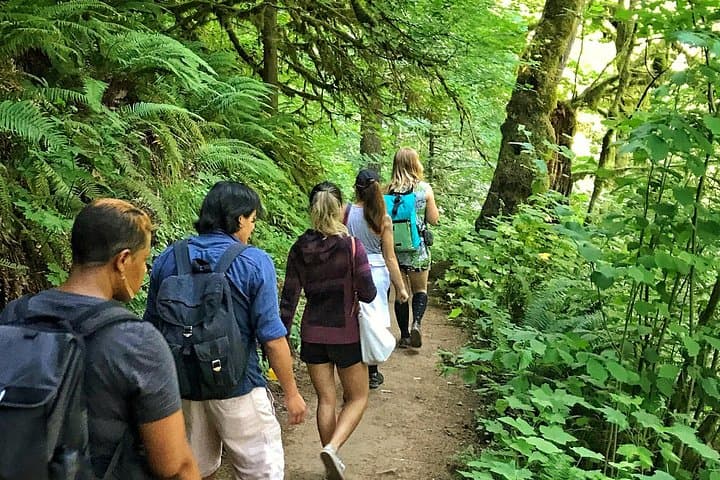
Lose the city for a few hours without leaving it: this 5-mile, 900-foot-gain Forest Park loop threads old-growth pockets, city viewpoints, and cultural landmarks for a compact taste of Portland’s wild side. Expect moss, roots, and stories.