

What the day feels like
The morning air up here tastes faintly of thyme and old stone. You stand on a low ridge and watch the Drino valley unspool below—patchwork fields, a ribbon of river, and the pale roofs of villages—while scattered foundations and broken columns remind you this was once chosen ground. Antigonea does not announce itself with a grand façade; it asks for a quieter attention: a willingness to read ruins like a map of ambition and loss.
Founded in the 3rd century BCE by Pyrrhus of Epirus and named for his wife Antigone, Antigonea was the inland heart of Chaonia. Its stones have seen empires rub shoulders and vanish—Greek founders, Roman administrators, Byzantine and Ottoman afterlives—and the site today is a patient, open-air ledger of those changes. Walk the main axis and you’ll find the skeleton of an agora, the terraces where houses once leaned against the hill, and the low remains of fortifications that hint at the city’s strategic pull over the valley.
Geologically, Antigonea sits where limestone and marl like to weather into terraces, and the broken geometry of its ruins reflects that slow earth movement. Trails are a mosaic of packed dirt, exposed bedrock, and hand-laid retaining walls; the landscape rolls rather than rises in a way that rewards a steady pace and some curiosity. In spring the slopes ignite with wildflowers; by late summer the pale grasses make the stones look older, bleached and bright. The exposed location means the wind is a character in the story—sometimes a companion that keeps you cool, sometimes an insistent editor that moves the clouds and the light.
Culturally, Antigonea sits within a living landscape. The closest city, Gjirokastër, with its Ottoman-era stone houses and stacked alleyways, is where you’ll understand the region’s recent history—centuries of empire, decades of isolation under communism, and a present-day enthusiasm for welcoming curious travelers. Local guides, frequently from nearby towns and villages, bring the site to life with gestures and stories: the layout of public and private spaces, the way water was channeled, the theories about the everyday lives of inhabitants.
Two easy ways to reach the site make Antigonea a thoughtful half-day adventure. A “Daily Visit to the Ancient City of Antigonea” is a compact, focused option: a guided walk that covers the main ruins and gives context without demanding a full day. If you’re in Albania for longer, the “Albania Explorer Tour” includes Antigonea among wider explorations—ideal for layering historical sites with the Ottoman quarter of Gjirokastër, coastal towns, and the dramatic mountain passes that define southern Albania.
What to expect on the ground: the main archaeological area can be explored in 45–90 minutes at an unhurried pace. Paths are uneven; there’s modest elevation change as you traverse terraces and low ridgelines—plan on light hiking footwear rather than sandals. There are few formal facilities at the site itself, so treats like a picnic or a thermos of coffee become part of the pleasure. Because the site is exposed, start early in summer to avoid mid-afternoon heat, and bring a hat.
Practical: aim to combine Antigonea with a stay in Gjirokastër. From the city center it’s a short drive—local guides and tour operators will manage logistics—or you can arrange a self-drive if you’re comfortable on rural Albanian roads. Entrance fees are modest where charged, and hiring a local guide transforms stone piles into civic life: religious practice, trade networks, and the gritty realities of ancient daily routines. Photography is rewarding at golden hour; dawn and late afternoon light pull the textures out of the limestone.
Travelers should be mindful: Antigonea is an archaeological site, not an amusement park. Respect barriers, walk only where allowed, and leave nothing behind. The site’s quieter profile is part of its charm; preservation depends on thoughtful visitation.
For the adventurous planner: pair Antigonea with a morning exploring Gjirokastër Castle and bazaar, then drive a scenic route through the Drino valley to enjoy rural cafés and roadside produce stands. If you’re part of a guided Albania Explorer Tour, expect longer days and a broader sweep: Greek, Roman, and Ottoman traces threaded across the southern landscape. However you arrive, Antigonea rewards patience—its story is told in fragments, and those fragments invite imagination.
This is a ruin that asks you to slow down. Let the wind do some of the narrative work; let the stones suggest what civic life might have been like. Stand where ancients once shouted, and listen to the valley: it’s not silent, but its language has shifted. People still farm these slopes, still pass along local histories and recipes, and in that continuity the site feels less like a tomb and more like an ongoing conversation between past and present.
Trail wisdom
Small choices, better day.
Start early or late
Midday sun is strong; visit at dawn or late afternoon for cooler temps and the best light for photos.
Wear sturdy shoes
Trails are uneven with exposed rock and loose gravel—trail runners or hiking shoes provide secure footing.
Bring water and snacks
Facilities are limited on-site; carry enough water and a small picnic if you plan to linger.
Hire a local guide
Guides add historical context and point out subtle features that are easy to miss on a self-guided walk.
Local knowledge
Read the place, not just the route.
Watch for native species including Eurasian hoopoe (seasonal), Red fox tracks and occasional stonechat sightings.
Keep an eye out for wildlife during the transition between areas and habitats. Respect distance guidelines.
Ongoing preservation efforts focus on stabilizing terraces and educating visitors; support local guides and avoid touching fragile masonry to help protect the site.
Follow the guide's instructions on size limits, ethical handling, and leave-no-trace practices.
Small picnic spots on the eastern terrace with wide valley views. Nearby village cafés serving homemade byrek and strong coffee
Locally recommended viewpoints and quiet spots known best to local operators.
Antigonea was founded in the 3rd century BCE by Pyrrhus of Epirus and served as an inland center for the Chaonians, reflecting Hellenistic urban planning adapted to a Mediterranean mountain valley.
Maritime roots and regional tradition shape the waterways and working coasts.
Seasonal guide
Four versions of the same landscape.
Spring
Best forwildflowers · cool hiking · birdwatching
Challengesmud after rains · variable temperatures
Spring brings bursting wildflowers and mild temperatures—expect clear views but occasional muddy patches after rain.
Summer
Best forlonger daylight · golden-hour photography · combining with other sites
Challengesheat and sun exposure · limited shade
Summer is hot and bright; early starts or late afternoons are best to avoid peak heat and fully appreciate the light.
Fall
Best forfewer crowds · harvest season · crisp air
Challengesshortening daylight · cooler nights
Autumn offers clear skies and quieter trails—bring layers for cool mornings and chilly evenings.
Winter
Best fortranquil visits · dramatic skies · research-focused travel
Challengescold winds · limited access or services
Winter sees few visitors and brisk winds; check accessibility and be prepared for chilly conditions and minimal on-site services.
Pack with intention
What to bring.
Good to know
Common questions.
Plan 45–90 minutes to walk the main archaeological areas; include additional time for travel from Gjirokastër or combining with nearby sites.
Plan the edges
The details that make the day easier.
Antigonea was founded by Pyrrhus of Epirus in the 3rd century BCE and named for his wife Antigone, reflecting Hellenistic practices of founding cities as dynastic statements.
Taste the region’s hospitality in nearby village kafeneios—try byrek, fresh goat cheese, and strong coffee. Conversations often turn to family histories and local agricultural rhythms, giving visitors a sense of continuity with the land.
- Location
- Near Gjirokastër, Albania. Time: 45–90 minutes on-site. Access: Short drive from Gjirokastër; tours available. Facilities: Limited—pack water and snacks.
Support local preservation by hiring certified guides, sticking to designated paths, and avoiding removing or disturbing archaeological materials—small actions help protect Antigonea for future study and visitors.
Explore by topic
Follow the threads.
Keep exploring
Make the story part of the trip.
In four hours you can move from shaded canyon ferns to wind-scoured coastal ridgelines, guided by someone who knows where the light—and the hidden views—live. This private half-day hike on the Monterey Peninsula or Big Sur is compact, curated, and perfect for travelers who want depth without a multiday commitment.
 Related story
Beneath a sky of shifting light, Skaftafell’s ice reads like a map of time. This three-hour guided glacier hike mixes technical instruction with geology and culture: compact, safe, and unforgettable.
 Related story
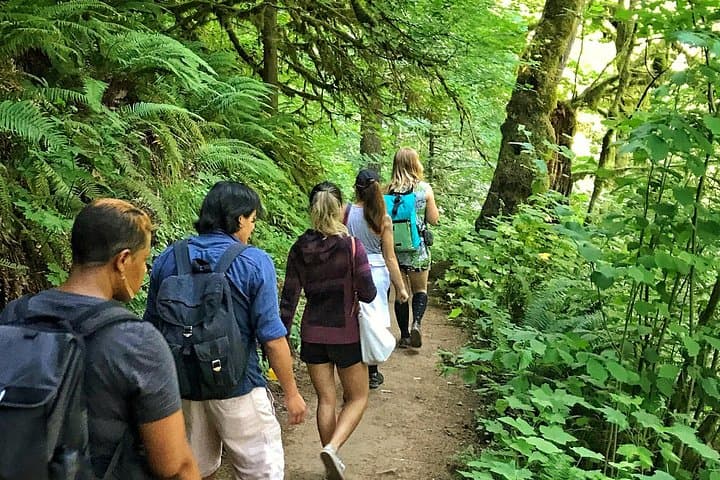
Lose the city for a few hours without leaving it: this 5-mile, 900-foot-gain Forest Park loop threads old-growth pockets, city viewpoints, and cultural landmarks for a compact taste of Portland’s wild side. Expect moss, roots, and stories.