

What the day feels like
The first thing you notice about the Wall of Tears is how ordinary the path to it looks: a flat, sun-baked ribbon of volcanic sand and packed coral running through low scrub toward a low, unassuming stone wall. Then the island’s personality gets to work — wind that smells like salt and iron, a sky the pale blue of shallow water, and a silence that seems to hold its breath. As you approach, the stones resolve into human work: rows of stacked lava blocks, a blackened scar against the scrub, a monument not built in celebration but in coercion.
The Wall of Tears (Muro de las Lágrimas) sits on the eastern shore of Isabela Island, a short bike or taxi ride from Puerto Villamil. At first glance it's a modest structure, just tens of meters long, but the story lodged inside its stones gives the place a weight you feel even before you read the plaques. Between the 1940s and 1959, prisoners at the penal colony on Isabela were forced to haul and stack lava rock into this wall. The work — often backbreaking and performed under harsh conditions — turned the place into a symbol of suffering and survival. Locals tell stories of tears and ghosts; scientists call it a human scar on a land shaped by fire.
Geologically, Isabela is the product of relentless volcanism, and the landscape surrounding the Wall of Tears is classic Galápagos: raw lava flows softened by sparse vegetation and curious fauna that have learned to live with salt-laden wind and erratic rain. The coastal scrub here is home to lava lizards and land iguanas; the tide pools and surf nearby are patrolled by sea lions and marine iguanas that look as much sculpted as animated. That contrast — an artifact of human cruelty set within an exquisitely indifferent natural world — is the reason travelers find the Wall of Tears both haunting and essential.
Most visitors encounter the site as part of a larger Isabela or multi-island trip. Island-hopping adventure tours (ranging from five to ten days) weave this visit into itineraries that include Sierra Negra Volcano hikes, snorkeling at Kicker Rock, and the surreal lava tunnels of Los Túneles. Multisport expeditions pair the tactile history of the Wall with active experiences: bike rides across flat lowlands, paddles past mangrove waterways, and snorkeling with sea turtles and rays. A stop at the Wall of Tears makes for a compact half-day that anchors a trip — a human story amid endemic wildlife and volcanic grandeur.
There’s an odd intimacy to visiting this site. You can stroll the path at dawn and feel the wall's shadow lengthen across the scrub, or visit late afternoon when the wind sharpens and the sun softens into gold. It’s not a strenuous outing: the trail out of Puerto Villamil is mostly flat and easy to navigate, which makes the Wall accessible to a broad range of travelers. That accessibility, paired with the historical weight of the place, calls for a certain respect — for the site and for the living island.
Local culture on Isabela is small and practical, shaped by fishing, tourism, and conservation. Travelers who arrive via multi-day itineraries will find guides who weave visits to the Wall with lessons about the Galápagos National Park, the archipelago’s unique ecosystems, and conservation efforts that balance visitor access with protections for fragile habitats. Small family-run hotels, a few eateries serving fresh ceviche and encocado (coconut fish stew), and a local brewery give Puerto Villamil a friendly, low-key vibe that’s perfect for resting between hikes and snorkel excursions.
Practicalities: the walk from Puerto Villamil to the Wall of Tears is short but depends on how you travel. Biking is popular — roughly 20–40 minutes each way on flat dirt roads depending on stops — while taxis and organized tours can deliver you closer to the site if you prefer to conserve energy for snorkeling or volcano hikes later in the day. Bring water, a wide-brimmed hat, and reef-safe sunscreen; shade is minimal and the equatorial sun is uncompromising. Though the site itself is open and free to visit, remember you’re inside the Galápagos National Park system: respect marked areas, keep your distance from wildlife, and follow your guide’s instructions.
Timing matters here. Morning visits are cooler and quieter; late afternoon light is best for photographs. Rain is episodic but often brief — the warm season (January–May) brings strong sun and occasional showers, while the cool season (June–December) can be windier and overcast. Any time you go, consider pairing the Wall with one of Isabela’s active highlights: hike Sierra Negra for a bowl-shaped crater bigger than many cities, snorkel at Los Túneles to swim through lava-formed caves, or take a boat trip to Kicker Rock for exhilarating encounters with sharks and sea turtles.
The Wall of Tears is a short stop that repays a longer stay. It’s a place to slow your steps and listen: to wind moving across volcanic stone, to the distant bark of a sea lion, to the little human echoes inside basalt blocks. You leave with a clearer sense of the archipelago — how evolution, eruption, and human history all press into the same space — and with the kind of humility that makes an island trip feel like a small, exacting education.
If you go, move deliberately. A visit here is not a box to check but a quiet chapter in a larger Galápagos story — one best read with open eyes and a real sense of care for the fragile ecology that surrounds it.
Trail wisdom
Small choices, better day.
Bring plenty of water
There’s little shade along the trail; carry at least 1–2 liters per person for a comfortable visit.
Wear sturdy shoes
The route is flat but composed of volcanic sand and packed coral — closed-toe shoes give better traction.
Go with a local guide
A guide will provide historical context, enforce park rules, and point out nearby wildlife you’d otherwise miss.
Combine with active sites
Plan the Wall as a half-day and pair it with biking, snorkeling at Los Túneles, or a Sierra Negra hike later in the day.
Local knowledge
Read the place, not just the route.
Watch for native species including marine iguanas, Galápagos sea lions.
Keep an eye out for wildlife during the transition between areas and habitats. Respect distance guidelines.
The site is within the Galápagos National Park — visitors should stay on marked paths, avoid touching wildlife, and use reef-safe sunscreen to reduce ecological impact.
Follow the guide's instructions on size limits, ethical handling, and leave-no-trace practices.
Tortuga Bay (a short bike ride from Puerto Villamil) for pristine beaches and marine iguanas. Mangrove channels near Puerto Villamil where flamingos and shorebirds gather in calmer water
Locally recommended viewpoints and quiet spots known best to local operators.
The Wall of Tears was constructed by prisoners housed at Isabela’s penal colony between the 1940s and 1959; it stands as a stark reminder of that chapter in Galápagos history.
Maritime roots and regional tradition shape the waterways and working coasts.
Seasonal guide
Four versions of the same landscape.
Spring
Best forwarmer water snorkeling · lush coastal vegetation · fewer winds
Challengesoccasional heavy showers · strong sun exposure
January–May brings warm seas and greener landscapes — perfect for snorkeling but pack rain protection for sudden squalls.
Summer
Best forgood marine visibility · calmer sea conditions · turtle activity
Challengesintense sun · possible afternoon showers
Late spring into early summer delivers excellent snorkeling and active wildlife; sun protection is essential.
Fall
Best forstable weather · fewer crowds · good terrestrial wildlife viewing
Challengescooler mornings · windier conditions some days
September–November tends to be drier and more stable — ideal for walking and photography.
Winter
Best forcool, clear days · less humidity · productive birding
Challengeschillier water for snorkelers · garúa (drizzle) possible
June–August brings cooler, drier weather; layers and wind protection make visits more comfortable.
Pack with intention
What to bring.
Good to know
Common questions.
Depending on route and stops, expect 20–40 minutes each way by bike or 45–90 minutes on foot; taxis and guided transfers are available.
Plan the edges
The details that make the day easier.
The Wall of Tears was built by prisoners at Isabela’s penal colony between the 1940s and 1959 and is now a memorial recognized by residents and visitors alike.
Puerto Villamil’s small restaurants serve fresh seafood dishes like ceviche and encocado; local guides and family-run accommodations keep tourism benefits within the community.
- Location
- Isabela Island, near Puerto Villamil. Access: 20–40 min bike or short taxi from town. Park rules apply; bring water and sun protection. No on-site facilities. Pair with snorkeling or a volcano hike.
Support licensed local guides, stay on marked trails, and avoid single-use plastics; use reef-safe sunscreen and respect wildlife distances to preserve fragile habitats.
Explore by topic
Follow the threads.
Keep exploring
Make the story part of the trip.
In four hours you can move from shaded canyon ferns to wind-scoured coastal ridgelines, guided by someone who knows where the light—and the hidden views—live. This private half-day hike on the Monterey Peninsula or Big Sur is compact, curated, and perfect for travelers who want depth without a multiday commitment.
 Related story
Beneath a sky of shifting light, Skaftafell’s ice reads like a map of time. This three-hour guided glacier hike mixes technical instruction with geology and culture: compact, safe, and unforgettable.
 Related story
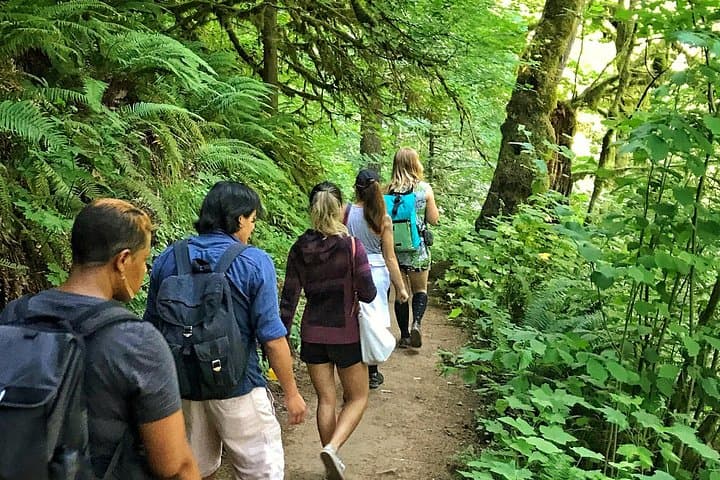
Lose the city for a few hours without leaving it: this 5-mile, 900-foot-gain Forest Park loop threads old-growth pockets, city viewpoints, and cultural landmarks for a compact taste of Portland’s wild side. Expect moss, roots, and stories.