

What the day feels like
The wind on the Gallipoli Peninsula smells faintly of salt and rosemary; it cuts across low scrub and empty ridgelines and finds the small stone crosses dotting the slopes above the Aegean. You arrive by coach from Istanbul as the road narrows into a spine of land that pushes into the Dardanelles, and suddenly the map’s abstract names—ANZAC Cove, Lone Pine, Chunuk Bair—become a landscape with weight. Stones have dates carved into them. Graves have flowers and weathered photographs. The sea laps at narrow beaches where soldiers once stepped into history.
Gallipoli is not a single monument, but a braided set of places: landing beaches, reconstituted trenches, solitary plaques and broad hilltops that still hold the geometry of conflict. Walk from the commemorative site at Ari Burnu past the curve of Brighton Beach and feel the peninsula change from public park to sacred ground. Climb the steps to Chunuk Bair and take in the sweeping view across the strait—this ridge is a place for listening. Guided tours from Istanbul condense the peninsula’s events into a single, humane narrative: where the Allied forces landed in 1915, how the campaign stalled against rugged terrain and determined defense, and why the Gallipoli story matters to people in Turkey, Australia, New Zealand, and Britain today.
Geologically the peninsula is limestone and shale sculpted by wind and sea; its ridgelines are short and abrupt, which made them tactical prizes in 1915 and make them excellent viewpoints now. Culturally it holds layers: Ottoman coastal life, consolidation after the war, and the continuing international rituals of remembrance—the most vivid being the ANZAC dawn services every April 25. Locals in nearby towns such as Eceabat and Canakkale balance this sombre heritage with ordinary coastal rhythms: fishermen pull up nets in the morning, markets sell fresh anchovies and warm simit, and small cafés offer Turkish tea where veterans and tourists pause together.
History here is immediate. Plaques and restored trenches at Johnston’s Jolly and The Nek give shape to the tactical details; Lone Pine Cemetery keeps the names of the fallen close. Turkish and international memorials stand opposite one another, and thoughtful tours purposefully present multiple perspectives—what the campaign meant for the Ottoman defenders as well as the ANZAC troops. For someone used to hiking in nature, Gallipoli is an unusual trail: you are moving through a battlefield that resists romanticization; the landscape speaks plainly of strategy, loss, and resilience.
For practical travelers, Gallipoli is most often visited on a full-day trip from Istanbul. Options include group departures and private tours that blend battlefield stops with a traditional Turkish lunch at a local restaurant. Multi-day itineraries pair Gallipoli with nearby Troy and the museum in Çanakkale; staying overnight in Canakkale makes it possible to experience dawn at the memorials with fewer crowds. Expect short walks between sites, occasional steep stone steps, and narrow paths where care is required. Bring water and sun protection—the peninsula is exposed—and wear shoes with a firm sole; some restored trenches are uneven and muddy after rain.
The best visits are paced: start with the landing beaches to understand the campaign’s opening, then work uphill to the cemeteries and memorials where the story of loss and memory settles. Allow time for quiet—stand at ANZAC Cove at midday and you’ll hear more birds than voices, which is precisely what many say makes the place feel honest. If your schedule allows, an overnight in Canakkale opens the possibility of arriving before the buses and seeing the memorials empty in the pink wash of early morning.
Respect is part of the itinerary. Photography is fine at most sites, but avoid posed shots that diminish the solemnity; follow signposted routes and never remove artifacts or stones. Local guides do more than shuttle you between plaques: they parse strategy, read soldiers’ letters, and surface Turkish perspectives that otherwise remain quiet in guidebooks. Tours that combine Gallipoli with Troy or the broader Dardanelles coastline give a compelling context of myth, empire, and the sea—one that helps explain why this narrow channel mattered then and now.
For a traveler who wants history grounded in place, Gallipoli is unvarnished and immediate. The views are elemental—sea, scrub, ridge—and the human overlay of names and artifacts makes each step an ethical one. It is not a mountain to be conquered but a corridor to be understood. Plan well, go with curiosity and humility, and you will leave with a clear sense of why people come back year after year to this thin, wind-scoured peninsula.
Trail wisdom
Small choices, better day.
Time your visit for softer light
Arrive early or late in the day to avoid midday glare and crowds—dawn and dusk emphasize the landscape’s contours and make the memorials more contemplative.
Dress and tread respectfully
Wear sturdy soles—some trenches and hill paths are uneven—and avoid loud behavior or climbing on graves and memorials.
Hydrate and pack a lunch
There are long stretches without services between sites; bring at least 1–2 liters of water and snacks or rely on a tour that includes lunch.
Book a guided tour for context
Local historians and guides translate names and tactics into human stories—book a full-day tour from Istanbul or a two-day option that includes Troy for broader context.
Local knowledge
Read the place, not just the route.
Watch for native species including Audouin’s gulls and migratory seabirds, Mediterranean scrubland lizards and butterflies.
Keep an eye out for wildlife during the transition between areas and habitats. Respect distance guidelines.
The military cemeteries and memorials are carefully maintained by both local authorities and international trusts; visitors are asked to stay on paths and not remove artifacts to preserve the site’s integrity.
Follow the guide's instructions on size limits, ethical handling, and leave-no-trace practices.
Walk the coastal paths near Kabatepe for fewer crowds and quiet sea views. Visit the small museum in Eceabat to see personal letters and artifacts that humanize the campaign
Locally recommended viewpoints and quiet spots known best to local operators.
The Gallipoli campaign in 1915 was a major WWI operation that altered modern Turkish history and international memory; Mustafa Kemal Atatürk’s leadership during the defense is central to Turkish national identity.
Maritime roots and regional tradition shape the waterways and working coasts.
Seasonal guide
Four versions of the same landscape.
Spring
Best forDawn services (ANZAC Day) · Mild walking weather · Wildflowers and clear views
ChallengesCrowds around April 25 · Unpredictable spring showers
Spring (especially April) is the most moving time—cool temperatures and the ANZAC dawn services bring crowds and solemnity; book accommodations early.
Summer
Best forLong daylight hours · Stable weather · Combining with other Aegean sites
ChallengesHigh sun and heat · Limited shade on ridges
Summer is dry and warm but exposed; start early to avoid heat and bring ample sun protection and water.
Fall
Best forFewer tourists · Crisp sea air · Comfortable hiking conditions
ChallengesShortening daylight · Occasional storms
Autumn offers cooler, quieter visits with excellent visibility—ideal for reflective walks and photography.
Winter
Best forStormy seascapes · Solitude · Cheaper accommodation
ChallengesCold winds and muddy trails · Some sites may have limited access
Winter visits are possible but wind and wet can make paths slippery; expect fewer services and pack a warm, waterproof layer.
Pack with intention
What to bring.
Good to know
Common questions.
Most travelers join organized full-day or multi-day tours that depart Istanbul; alternatively, take a bus or drive to Canakkale and continue by local transport or ferry to the peninsula.
Plan the edges
The details that make the day easier.
ANZAC Day commemorations at Gallipoli (April 25) mark the anniversary of the 1915 landings and draw visitors and descendants from across the globe for a dawn service at ANZAC Cove.
Canakkale’s waterfront cafés serve fresh fish and gözleme; after a day on the peninsula, try local fried anchovies and çay while listening to fishermen swap stories—this simple coastal life sits in contrast to the peninsula’s solemn sites.
- From Istanbul
- 3–4 hour transfer to Gallipoli by coach (many day tours available). Best visited as a full-day guided tour or a two-day trip with an overnight in Canakkale. Pack water, sun protection, and sturdy shoes. Respect memorial etiquette.
Stick to marked paths, refrain from collecting artifacts, support local guides and businesses, and leave no trace—these simple steps help preserve the sites and honor the memory held here.
Explore by topic
Follow the threads.
Keep exploring
Make the story part of the trip.
In four hours you can move from shaded canyon ferns to wind-scoured coastal ridgelines, guided by someone who knows where the light—and the hidden views—live. This private half-day hike on the Monterey Peninsula or Big Sur is compact, curated, and perfect for travelers who want depth without a multiday commitment.
 Related story
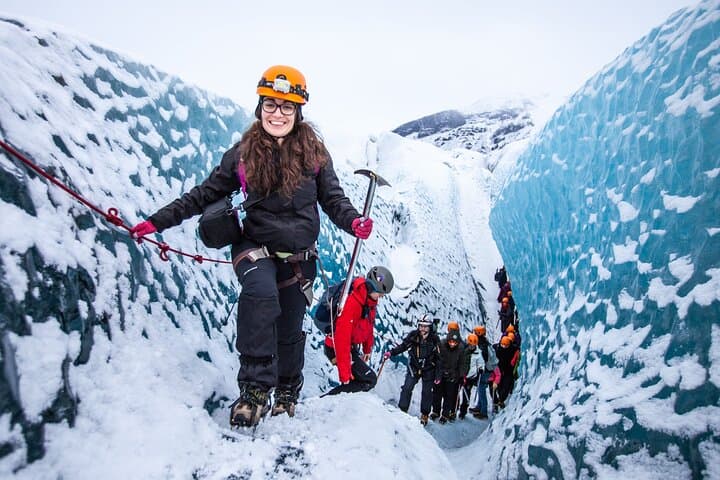
Beneath a sky of shifting light, Skaftafell’s ice reads like a map of time. This three-hour guided glacier hike mixes technical instruction with geology and culture: compact, safe, and unforgettable.
 Related story
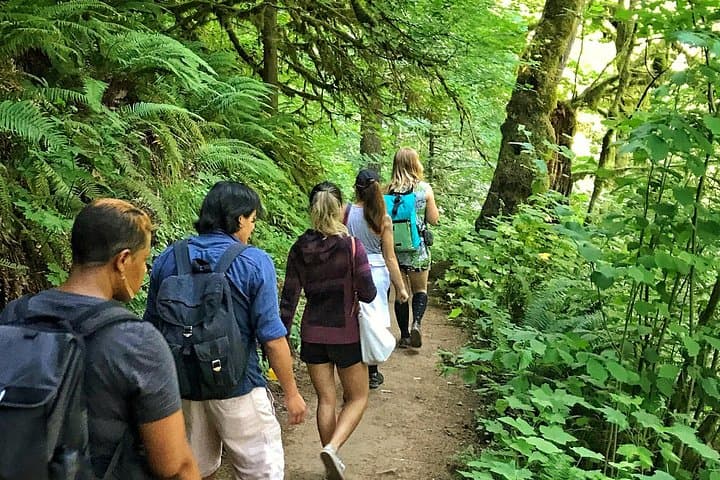
Lose the city for a few hours without leaving it: this 5-mile, 900-foot-gain Forest Park loop threads old-growth pockets, city viewpoints, and cultural landmarks for a compact taste of Portland’s wild side. Expect moss, roots, and stories.