

What the day feels like
The morning in Urca arrives like a promise. Fishermen push off in small skiffs beneath the squat silhouette of Sugarloaf; the bay breathes a slow, salty exhale, and the cable cars blink awake on their short, effortless commute from the stone quay to the first granite outcrop above the water. Walk the seawall toward Praia Vermelha and the neighborhood feels collared by ocean and rock—an intimate pocket of Rio where the city folds itself politely around the shoreline.
Urca is small in footprint but outsized in character: a cluster of narrow streets, red-tiled houses, and the low-key boats that slide in and out of Guanabara Bay. It’s the launch point for some of Rio’s most kinetic experiences—sea kayaking under Sugarloaf’s shadow, cruising the bay’s fort-lined entrance, and scrambling on rock faces that draw climbers to the same granite that has kept watch over the harbor for centuries. The place is equal parts maritime gateway and neighborhood living room; you can watch pilots line up planes for landing at Santos Dumont while a local bartender tosses fresh fish into the fryer at dusk.
Geology and history are literal here. Sugarloaf (Pão de Açúcar) is a monolith of granite and quartzite rising about 396 meters from the bay—an island of rock that ancient currents and time carved into its rounded, unmistakable profile. Urca sits at its foot and has, for more than a century, been the human hinge between Rio’s colonial past and its modern life. The bay itself was a naval gateway and a contested strategic harbor; you can still see that military lineage in the nearby forts, including the fortress islands at the mouth of Guanabara Bay that patrol the channel like stolid sentinels.
Culture here is quietly social. Bar Urca, the low-slung pier-side tavern, is a ritual: locals and visitors lean against the rail, order cold beers and bolinhos de bacalhau, and let the evening come on slowly as city lights ignite across the water. Urca’s residential calm also means you’ll see flocks of older cariocas playing cards, children biking near the quay, and fishermen mending nets—human rhythms that contrast with the adrenaline of the active tours leaving the shore.
The opportunities for motion are what make Urca sing as an adventure base. Sea kayaking here is approachable but vivid; you launch from calm water and paddle toward the mouth of Guanabara Bay with Sugarloaf on your left and the city’s skyline opening on your right. A typical guided route covers roughly 5–7 kilometers round trip—enough to feel like you’ve earned the view but not so long that the trip tips into endurance work. The water here, when the sea is kind, is a pale, shimmering green; the wind can be a companion or an opposing temperament, so morning launches are recommended for flatter conditions.
If you prefer to keep your feet dry, a half-day Guanabara Bay cruise gives the same geometry of the city from the water: passes by islands and old forts, a chance to creep beneath the Niterói Bridge, and a different line on the postcard view of Rio. Both sea-level perspectives change how you understand the city—it’s easier to read the scale of the mountains and appreciate the way urban neighborhoods press against green ridgelines when you’re out on the water.
For those who want a vertical reading of Rio, Urca is the village that leads to the Sugarloaf cable car and to beginner-friendly climbs on the lower faces. Introductory rock-climbing sessions often use top-rope systems and routes on the approachable slabs and cracks near the base; they’re designed for people who want the exhilaration of exposed granite without committing to a multi-pitch ascent.
Practicality mixes into the romance fast in Urca. Timing matters: sunrise yields glassy water for paddlers, golden-hour light makes every perspective cinematic, and late afternoon is the busiest window for both cruise boats and cable cars. Bring sun and wind protection, and if you’re kayaking choose a guided operator that includes a dry bag, PFD, and an experienced leader who knows how to read the tide and weather in Guanabara Bay. If you’re booking a Sugarloaf sunset or a private photographer tour, reserve ahead—these windows fill quickly, especially in high season.
Safety and stewardship are part of the local ethic. Guanabara Bay has seen pollution and restoration efforts over decades; choose operators that commit to no-litter practices, respect marine life, and, where possible, contribute to local clean-up or awareness programs. Walking Urca’s quiet lanes after a day on the water, you’ll see how neighborhood-scale tourism can support small businesses—bars, boatmen, and guide services—that keep the place buoyant.
Urca’s appeal is layered: the adventure of a paddle past fortress islands, the quiet pleasure of a beer on the pier, the teeth-of-granite lessons learned on a first climb, and the uncomplicated pleasure of a neighborhood that still feels like a secret. It’s a good place to start understanding Rio not as a postcard of beaches and monuments but as a stitched-together city of edges—water and rock, urban life and wild geography—where each viewpoint reframes the whole.
If you go: launch early, book with local guides who know the bay, bring sun protection and a willingness to trade a little comfort for the kind of views and encounters that only a shoreline starting place like Urca can deliver. The sea dares you forward; the rock patiently waits.
Trail wisdom
Small choices, better day.
Launch early for calm water
Morning launches usually have lighter winds and smoother water—ideal for sea kayaking and clearer photos of Sugarloaf.
Book a guided kayak
Local guides know tide patterns, current shortcuts, and the safest route to Forte da Laje—choose operators with safety kits and PFDs.
Sandals won’t cut it
For rock scrambling or even walking the pier, wear closed-toe shoes with grip—wet granite can be slippery.
Carry local cash for small vendors
Many bars and kiosks in Urca accept cash only—have small bills for snacks or a beer on the pier.
Local knowledge
Read the place, not just the route.
Watch for native species including frigatebird, bottlenose dolphin (occasionally in Guanabara Bay).
Keep an eye out for wildlife during the transition between areas and habitats. Respect distance guidelines.
Guanabara Bay has long-term restoration projects; choose operators committed to no-discharge boating practices and supporting local clean-up efforts.
Follow the guide's instructions on size limits, ethical handling, and leave-no-trace practices.
Bar Urca pier for casual seafood and unbeatable bay views. A short walk from the quay to the quiet Rua Cândido Gaffree for low-key local cafés
Locally recommended viewpoints and quiet spots known best to local operators.
Urca developed alongside Rio’s maritime defenses; the cable car to Sugarloaf has operated since 1912, becoming one of the city’s earliest tourist infrastructures.
Maritime roots and regional tradition shape the waterways and working coasts.
Seasonal guide
Four versions of the same landscape.
Spring
Best forcalmer seas for paddling · fewer crowds at sunset viewpoints
Challengesvariable shower patterns · slightly cooler mornings
Spring (Sep–Nov) brings pleasant temperatures and growing daylight—good for sea and shore activities with moderate rain risk.
Summer
Best forvibrant beach culture · long daylight hours · evening cruises
Challengesheat and high humidity · afternoon storms and stronger winds
Summer (Dec–Feb) is hot and humid; mornings are still best for kayaking, while afternoons can turn windy or stormy.
Fall
Best forclearer air for photos · stable weather for cruises
Challengescrowds during holiday weekends · rapid temperature swings at dusk
Fall (Mar–May) balances warmth and lower humidity—excellent visibility and comfortable water temperatures.
Winter
Best fordrier skies · cooler, comfortable hiking
Challengescooler mornings on the water · occasional southern swells
Winter (Jun–Aug) is drier and milder—great for hikes and climbs but bring a light layer for early starts.
Pack with intention
What to bring.
Good to know
Common questions.
Most guided sea kayaking trips last 2–3 hours and cover 5–7 kilometers round trip, including stops for photos and brief shore visits.
Plan the edges
The details that make the day easier.
The Sugarloaf cable car opened in 1912, making it one of the oldest urban cable car systems in the world.
Food here leans toward seafood and churrasco—try a plate of bolinho de bacalhau at the pier and pair it with a cold beer while watching the sunset; locals prize relaxed, convivial evenings.
- Nearest major hub
- Rio de Janeiro (South Zone). Currency: BRL. Language: Portuguese. Best access: short taxi or Uber ride from Copacabana
Support local operators who follow no-discharge boating rules, participate in bay cleanups, and prioritize small, neighborhood businesses to keep tourism benefits local.
Explore by topic
Follow the threads.
Keep exploring
Make the story part of the trip.
In four hours you can move from shaded canyon ferns to wind-scoured coastal ridgelines, guided by someone who knows where the light—and the hidden views—live. This private half-day hike on the Monterey Peninsula or Big Sur is compact, curated, and perfect for travelers who want depth without a multiday commitment.
 Related story
Beneath a sky of shifting light, Skaftafell’s ice reads like a map of time. This three-hour guided glacier hike mixes technical instruction with geology and culture: compact, safe, and unforgettable.
 Related story
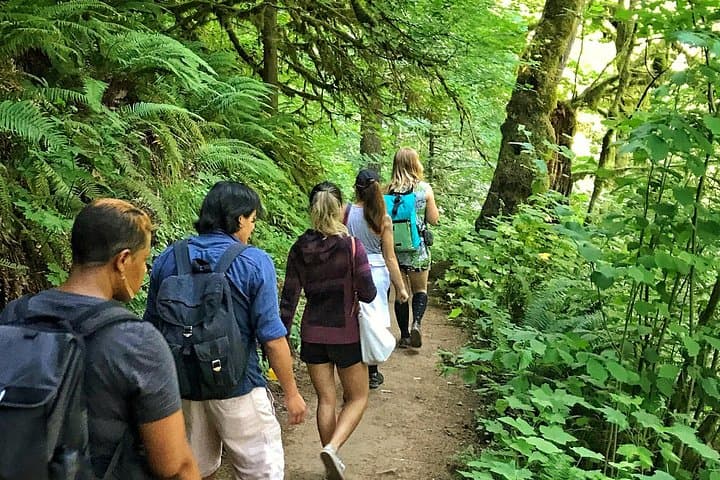
Lose the city for a few hours without leaving it: this 5-mile, 900-foot-gain Forest Park loop threads old-growth pockets, city viewpoints, and cultural landmarks for a compact taste of Portland’s wild side. Expect moss, roots, and stories.