
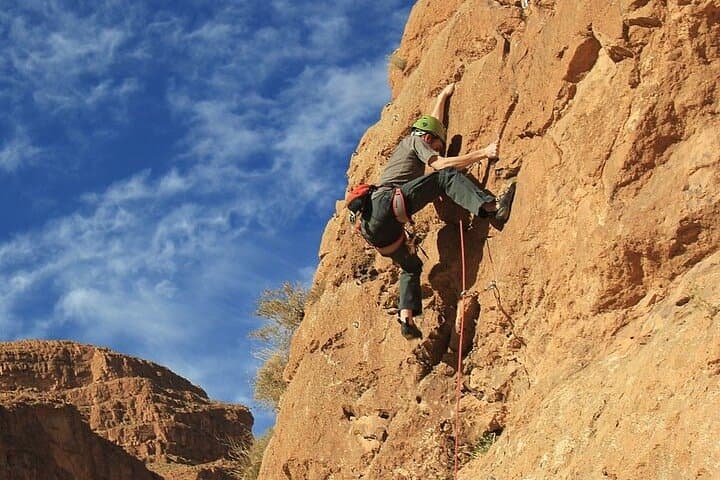
What the day feels like
The first step into Todra Gorge feels like slipping into a cathedral carved by river and wind. Stone towers run straight as organ pipes, their faces freckled with sun and lichen, and the corridor between them narrows to a pale ribbon of river and sand. A dry wind slides through the canyon, carrying the distant clack of metal—carabiners, rope, a guide’s voice. In a place where the Atlas Mountains abruptly give way to desert, Todra’s limestone walls dare you to move upward, to trade the horizontal of the road for the vertical of the rock.
This half-day climb is compact in time but expansive in texture. You meet your guide in Tinghir and drive a short, scenic stretch along the Todra River, past date palms and mud-brick kasbahs. The approach is almost embarrassingly brief—often under 15 minutes—and then you’re at the base of cliffs that can rise 200–300 meters, though most guided, beginner-friendly routes in Todra are single-pitch lines of 20–60 meters. The limestone here is old ocean-floor carbonate, folded and lifted by the collision that created the Atlas Mountains; its pockets and edges make for technical footwork and surprisingly secure handholds.
Climbing Todra is as much a cultural encounter as a physical one. The gorge slices through Berber country, and many local climbers and guides come from communities clustered up-valley. On a coffee break you’ll hear stories about the river’s seasonal moods, about how the gorge offered shelter and passage between mountain and desert, and how climbing has become a small but meaningful source of income for nearby villages. The rhythm of the day—drive, hike, rope up, climb, rope down—fits into a larger Moroccan cadence: practical, hospitable, and quietly proud.
Geologically, Todra is a classroom. The limestone is riddled with vertical cracks and tufas from ancient flowstone deposits. Routes vary from slabby friction climbs to vertical faces with pockets and edges, so climbers work a mix of balance and power. The rock is dry most of the year; the microclimate inside the gorge can be cooler and shaded compared to the sunbaked valley, which makes morning or late-afternoon starts ideal.
For travelers this trip lives in a useful middle ground. You don’t need to be an expert to enjoy it—guides set the ropes, teach belay techniques, and manage anchors—but you do need to be willing to move deliberately, to trust your feet, and to accept exposure. The fee (from about USD 75) generally covers guide services, basic climbing gear, and instruction for a private or small-group experience; it’s an efficient way to plug into a classic climbing landscape without days of scouting and route-finding.
There’s a practical poetry to Todra. The canyon isn’t a playground where you throw yourself at gravity; it is a place that rewards attention. Small techniques—smearing your foot on a subtle edge, shifting weight to a hip lock, trusting that a piece of limestone feels solid enough to stand on—translate into movement and calm. And the payoff is a view that can flatten ambition and sharpen gratitude at the same time: the ribbon of river far below, the palm oases, and the patchwork of red earth stretching out toward the Sahara.
Linking into the logistics, local operators make the experience accessible. If you want to learn more or book, this well-reviewed guided option connects climbers with local experts who know the routes and the culture: <a href="https://app.advcollective.com/local-experts/half-day-rock-climbing-in-todra-gorge-limestone-walls-near-tinghir">Half-Day Rock Climbing in Todra Gorge</a>. The tour is typically four hours, includes instruction for beginners, and offers options for more adventurous climbers wanting taller lines. Expect small-group dynamics and the chance to climb multiple pitches if the party has the skill and time.
For planning: aim for early morning to avoid the heat and to catch the gorge with soft, angled light—perfect for both climbing and photos. Wear sticky-soled approach shoes or light hiking shoes to get to the wall, and bring a harness, helmet, and belay device if your operator doesn’t supply them (many do). Hydration is critical; even in the shade the air is dry, and between the canyon and the plain you’ll notice the difference. Finally, leave time in Tinghir to walk narrow streets, taste a tagine, and see local crafts—climbing here feels richer when you connect it to the people who live under the same cliffs.
Todra Gorge is not about ticking off a summit; it’s about learning a new way to move and seeing Morocco from a vertical perspective. Whether you’re a novice who wants to feel rope-handling and exposure under careful instruction, or an intermediate climber hungry for technical limestone and pocketed routes, a half-day here sharpens skills and opens a doorway to longer alpine-style adventures in the Atlas. The canyon will stand indifferent to your ego but generous to your curiosity—climb well, listen to the rock, and come down smiling.
Trail wisdom
Small choices, better day.
Start early
Morning light brings cooler temperatures and better friction on the limestone; arrive before mid-morning to avoid heat and crowds.
Trust the guide
Local guides set anchors and teach belay technique—listen closely to safety briefings and rope commands.
Hydrate for dry air
Bring at least 1–2 liters of water per person; the gorge is shaded but the air is arid and climbing raises exertion.
Shoes matter
Wear approach shoes or sticky-soled climbing shoes for footwork on rock and traction on scree during the short approach.
Local knowledge
Read the place, not just the route.
Watch for native species including Barbary fox, Desert lark and other local passerines.
Keep an eye out for wildlife during the transition between areas and habitats. Respect distance guidelines.
Climbing here is community-based; support local guides, avoid chalk overuse, and pack out all trash to protect fragile canyon ecosystems.
Follow the guide's instructions on size limits, ethical handling, and leave-no-trace practices.
Visit a local date palm grove downstream for a quieter shade walk. Walk the trail above the gorge at dusk for panoramic views and fewer crowds
Locally recommended viewpoints and quiet spots known best to local operators.
Todra Gorge sits along traditional Berber routes between the High Atlas and the Tafilalt oasis; the canyon’s walls were formed by tectonic uplift and river erosion over millions of years.
Maritime roots and regional tradition shape the waterways and working coasts.
Seasonal guide
Four versions of the same landscape.
Spring
Best forcool climbing conditions · wildflower displays · longer daylight
Challengespossible occasional flashier river flow · variable temps between shade and sun
Spring offers comfortable temperatures and a splash of green in the valley—routes are pleasant and not yet hot.
Summer
Best forconsistent dry rock · long daylight hours
Challengeshigh heat on exposed sections · midday crowds and strong sun
Summer brings reliably dry limestone but climbing is best at dawn or late afternoon to avoid excessive heat.
Fall
Best forstable weather · crisp air · clear visibility
Challengesshorter days as season progresses · cooler mornings
Fall is ideal: warm days, cool mornings, and excellent climbing conditions with fewer visitors.
Winter
Best formild sunny days · off-season solitude
Challengescold shade in the canyon · short daylight hours
Winter can be pleasant on sunny days but expect chilly shaded spots—dress in layers and plan for shorter sessions.
Operator details
What the booking data adds.
Included
- ✓Local guide
- ✓All necessary equipment is provided
Not included
- —Gratuities
Good to know
- ✓Public transportation options are available nearby
- ✓Not recommended for travelers with spinal injuries
- ✓Not recommended for pregnant travelers
- ✓Not recommended for travelers with poor cardiovascular health
- ✓Travelers should have at least a moderate level of physical fitness
Pack with intention
What to bring.
Good to know
Common questions.
No—most half-day tours welcome beginners; guides provide instruction on belaying and movement. Experienced climbers can be pushed onto more technical routes.
Plan the edges
The details that make the day easier.
Todra Gorge’s limestone was formed from ancient marine sediments uplifted during the collision that created the High Atlas—some sections expose fossilized marine life.
After the climb, head into Tinghir to try a tagine at a family-run restaurant, sip mint tea while watching local traders, and browse woven Berber rugs—many guides will point you to trustworthy places where tourism dollars stay local.
- Closest airport
- Errachidia (minor) or Marrakesh-Menara (major); Driving distance: ~10–30 minutes from Tinghir town to gorge entrance; Cell service: intermittent in the canyon; Permits: none required for guided climbs, but respect private land and local customs.
Support local guides and carry out all waste; avoid fixed chalking and use minimal gear when possible to reduce impact on the rock and canyon environment.
Explore by topic
Follow the threads.
Keep exploring
Make the story part of the trip.
In four hours you can move from shaded canyon ferns to wind-scoured coastal ridgelines, guided by someone who knows where the light—and the hidden views—live. This private half-day hike on the Monterey Peninsula or Big Sur is compact, curated, and perfect for travelers who want depth without a multiday commitment.
 Related story
Beneath a sky of shifting light, Skaftafell’s ice reads like a map of time. This three-hour guided glacier hike mixes technical instruction with geology and culture: compact, safe, and unforgettable.
 Related story
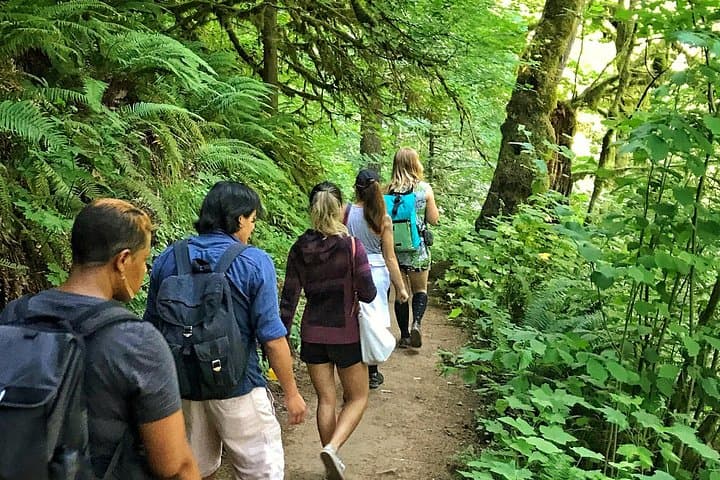
Lose the city for a few hours without leaving it: this 5-mile, 900-foot-gain Forest Park loop threads old-growth pockets, city viewpoints, and cultural landmarks for a compact taste of Portland’s wild side. Expect moss, roots, and stories.