

What the day feels like
You wake to a thin blue light that slides across the corrugated roofs of Himeville, a small market town cupped in the northern Drakensberg. The air tastes sharp—cold pinpricks on the tongue—and the first thing you notice is the silence, the kind that belongs to high places where the world thins out. Down the street a Land Cruiser idles, tires crunching on gravel. A guide hands you a Basotho blanket and a thermos; the day ahead will move up fast and steep, from the shaded valley of Himeville up the ragged spine of the Sani Pass, and into Lesotho—the Mountain Kingdom—where the pub sits at an altitude most European peaks call respectable.
This is not a hike. It is a day of vertical storytelling: geology, culture, and raw alpine weather stitched together by a dirt road named Sani. The drive itself is the protagonist—rough, steep, and honest—switchbacking through grasslands turned alpine meadow. Rock outcrops loom like sentries; the Drakensberg falls away beneath you in terraces. At roughly 9 kilometers, the pass is short; at roughly 1,300 meters of climbing, it’s intense. The road’s surface pitches and changes, giving the 4x4 driver reason to be economical and bold. The vehicle is part of the choreography here: you learn to trust its engine and the guide’s hands the way you trust that a rope will hold on exposed terrain.
Sani Pass is a seam between worlds. On the South African side you pass farms and pine plantations; higher up, the hues shift to basalt cliffs and wind-pruned grasses. The base town of Himeville sits at a gentler elevation—your last civilized coffee, petrol, and bathroom stop before the mountain tightens its jaw. As you climb, wind begins to have a voice. It pokes, it scours, it promises snow in winter and sudden sun in summer. At the top, around 3,240 meters above sea level, the Sani Top pub waits—an improbable stone-and-tin refuge that doubles as Lesotho’s highest watering hole. Here the passport is stamped, the thin air is felt in the legs and breath, and the views flatten into scale: endless ridgelines, basalt steps cutting into the sky.
There’s history braided into the pass. The Drakensberg itself is the eroded edge of ancient basalt flows, a highland formed by volcanic activity millions of years ago and sculpted by ice and water. The route through the pass has long been a corridor for trade, cattle movements, and the more recent tourism industry that connects KwaZulu-Natal with Lesotho’s highlands. Local Basotho culture remains vivid. Guides introduce visitors to village life over a quick tour, and many tours include a cultural exchange—glances at thatching, sheep, and the thick wool blankets patterned with national designs that every Basotho person wears like a signature.
Practical things: this is a full-day outing if you’re coming from Durban. Expect a long drive to Himeville (roughly 3–4 hours by road from Durban), then a steep 4x4 ascent that takes time because the road demands slow, controlled progress. Weather can change on a dime; temperatures at the summit can be icy even when the valley basks. Passport and visa rules are not a formality—if you need a visa to enter Lesotho it is your responsibility to obtain one before travel. A friendly guide and a stiff wool blanket are standard comforts; the operator often lends an authentic Basotho blanket for the day, a cultural memento as well as a practical layer.
Who is this for? Travelers who like their adventures kinetic and sociable—the sort who prefer stories told from the back of a 4x4 to quiet alpine solitude. If you crave distance and elevation on two feet, consider linking this outing with short hikes around the summit area (weather permitting). For photographers, geologists, and anyone attracted to high-country hospitality—boarding a public bar perched above 3,000 meters—the Sani Pass day delivers.
Safety and etiquette are straightforward. Respect livestock and village life: ask before photographing people; don’t wander into homesteads unaccompanied. Expect rough road conditions; operators run this route in purpose-built vehicles and with drivers who read the terrain like a page. If you’re sensitive to altitude, give yourself a slow morning and drink water early and often. The Sani Top pub serves food at your own expense, and it’s a satisfying place to sit, warm, and watch clouds run like horses along distant ridgelines.
The lasting impression is a blend of elements: the solidity of rock, the bracing wind, the warmth of a stranger’s shared blanket, and the odd intimacy of a pub where the world feels both very big and very small. Himeville is not the destination so much as the hinge; you pass through it to experience a mountain that gestures to Lesotho’s open skies. The whole day is short on pretense and long on landscape, a one-day ascent that gives you altitude, culture, and a story to tell back at sea level.
Trail wisdom
Small choices, better day.
Pack and show your passport
Border control at the Sani Pass requires passports; check visa requirements for Lesotho ahead of time.
Dress in layers and bring wind protection
Temperatures can drop quickly above 2,500 m—pack an insulating mid-layer and a windproof shell.
Wear sturdy shoes
Expect gravel, mud, and rocky approaches if you step out for short walks; ankle-supporting boots are best.
Carry cash for the top
The Sani Top pub and local vendors often prefer cash for food, drink, and small purchases.
Local knowledge
Read the place, not just the route.
Watch for native species including Cape mountain zebra (in higher grasslands), Raptors such as jackal buzzards and black eagles.
Keep an eye out for wildlife during the transition between areas and habitats. Respect distance guidelines.
Support locally guided village visits and purchase crafts directly from residents to ensure economic benefit remains in community; stay on established tracks to limit erosion.
Follow the guide's instructions on size limits, ethical handling, and leave-no-trace practices.
Drive up early for a sunrise panorama from just above Himeville before the main traffic arrives. Visit a nearby Basotho homestead when accompanied by a guide to learn about weaving and blanket-making
Locally recommended viewpoints and quiet spots known best to local operators.
Sani Pass has been a trade and travel route between KwaZulu-Natal and Lesotho for decades; the modern tourist road was improved in the late 20th century to accommodate 4x4 vehicles.
Maritime roots and regional tradition shape the waterways and working coasts.
Seasonal guide
Four versions of the same landscape.
Spring
Best forWildflower displays · Clear vistas · Milder temperatures
ChallengesUnpredictable showers · Muddy road sections
Spring brings warming days and alpine flowers; the pass thaws but can still be wet—drive times may increase.
Summer
Best forLush highland scenery · Long daylight hours · Village markets
ChallengesAfternoon thunderstorms · Higher humidity lower down
Summer is green and vibrant but expect sudden thunderstorms—start early to avoid afternoon weather.
Fall
Best forCrisp air · Fewer tourists · Excellent visibility
ChallengesCold nights · Rapid temperature drops
Autumn yields clear, cold mornings and excellent photographic light; pack warm layers for summit stops.
Winter
Best forSnow-dusted landscapes · Dramatic skies · Fire-side pub visits
ChallengesIcy roads, potential closures · Very low temperatures
Winter offers stark beauty and possible snow; travel depends on road conditions and 4x4 capability—check with your operator.
Pack with intention
What to bring.
Good to know
Common questions.
Yes—passport control is at the border and you must carry a valid passport; check whether you need a visa to enter Lesotho and obtain it before travel if required.
Plan the edges
The details that make the day easier.
The Sani Top pub sits at about 3,240 meters above sea level, making it one of the highest public bars on the African continent—visitors can get their passport stamped at the border nearby.
Basotho blankets are both utility and identity—buying a locally made blanket or woven craft supports village economies; try the simple local stews and maize-based dishes when offered.
- Meeting point
- Durban pickup (tour dependent) or Himeville; Duration: full day; Vehicle: 4x4; Essentials: passport, warm layers, cash; Expect: rough road, high altitude, cultural village stop.
Choose locally guided tours that employ Basotho guides and buy crafts directly from producers; avoid leaving litter and keep to established tracks to reduce erosion on fragile highland slopes.
Explore by topic
Follow the threads.
Keep exploring
Make the story part of the trip.
In four hours you can move from shaded canyon ferns to wind-scoured coastal ridgelines, guided by someone who knows where the light—and the hidden views—live. This private half-day hike on the Monterey Peninsula or Big Sur is compact, curated, and perfect for travelers who want depth without a multiday commitment.
 Related story
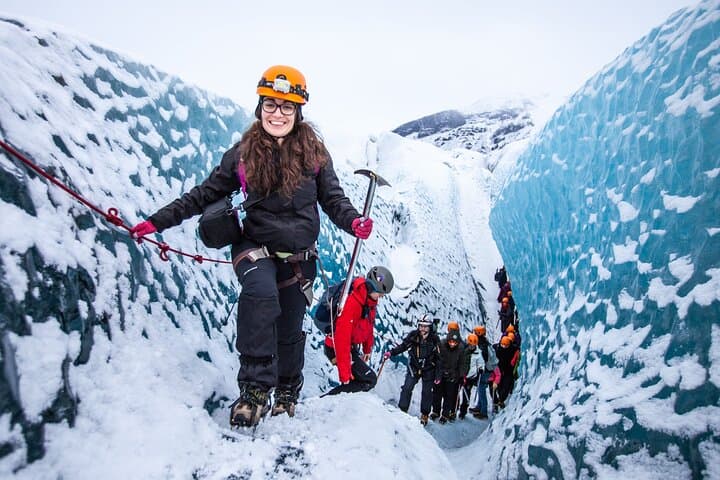
Beneath a sky of shifting light, Skaftafell’s ice reads like a map of time. This three-hour guided glacier hike mixes technical instruction with geology and culture: compact, safe, and unforgettable.
 Related story
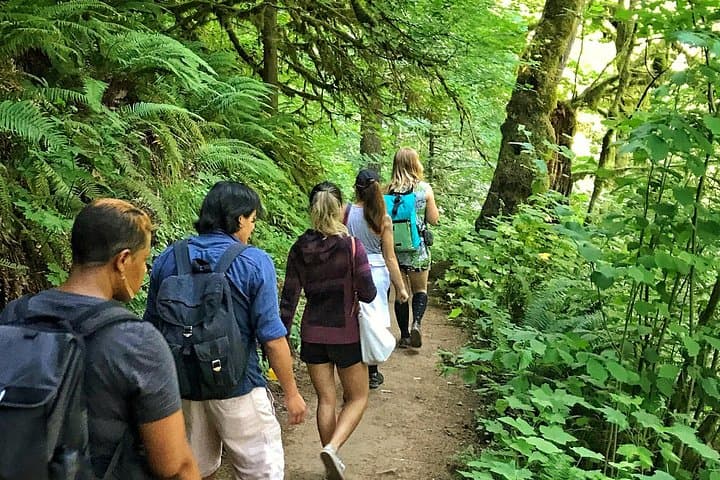
Lose the city for a few hours without leaving it: this 5-mile, 900-foot-gain Forest Park loop threads old-growth pockets, city viewpoints, and cultural landmarks for a compact taste of Portland’s wild side. Expect moss, roots, and stories.