

What the day feels like
The first time you step onto the wooden boardwalk that threads along the Krka River toward Roski Waterfall (Roski Slap), the world narrows to the sound of water. It arrives before you see it — a low, persistent rumble that gathers into a chorus as the river narrows and tiers of travertine step down toward the pool. Light filters through oak and pine, catching on spray like a million tiny prisms. The air smells of wet stone and wild mint; the river seems intent on its own business, pushing you forward as if daring you to keep up.
Roski Slap is not a single curtain of water but a series of smaller cascades and sluices stretched across a wide, stony riverbed. Compared with the more famous Skradinski buk, Roski feels quieter, more intimate — a place where you can still find a bench of rock to yourself and watch the water carve its patient way through limestone. It’s a corner of Krka National Park that rewards slow attention: the layered shapes of travertine, the sudden hush of a willow grove, the glint of a kingfisher flashing from bank to bank.
Geology and history are braided here. The falls are built of travertine — calcium carbonate deposited by the river — which over centuries created the dams and steps you walk across today. That same mineral chemistry made this stretch of the Krka attractive to early settlers; mills and small towns grew up along the river’s edges, and on a small island downstream, the Visovac Monastery has guarded manuscripts and ecclesiastical treasures since the 14th century. The river, in short, has always been a maker of both landscape and livelihoods.
Modern visitors come in several configurations. If you want a deliberately hands-off, luxurious day, the “All inclusive luxury Krka waterfalls trip from Split or Trogir” delivers a concierge-grade visit: private pickup, curated winery stops, and a gastronomic finish at recommended local taverns. For travelers based in Šibenik who prefer to keep the driving local and the commentary personal, the “Private Round Trip to Krka National Park” emphasizes hidden viewpoints — a war memorial tank, the Čikola canyon, and a chance to linger by Roski Slap with a local guide who’ll point out the best prosciutto-and-cheese stops along the way.
If you want to broaden the scope of the day, the “NP Krka: Discover Waterfalls Tour” strings Roski into a waterfall sampler that includes Manojlovac and Skradinski buk, giving a quick education in how varied Krka’s cascades can be. And for a strikingly different pace, book the “KRKA Quad Adventure Skradin”: an off-road tour that uses the ridgelines above the park for wild views of Visovac, Torak Lake, and the falls — and it’s the kind of catalytic, photo-rich experience that satisfies anyone craving a little speed between viewpoints.
Practicalities matter here: Roski is best seen at a walking pace. The loop around the primary cascades is short — plan on roughly 2–3 kilometers of boardwalk and riverbank trail with minimal elevation gain (under 100 meters). Surfaces can be damp and uneven; quality footwear and care on wooden planks will keep you upright. If you travel by boat from Skradin or join a guided tour, you’ll get a different read on the river — the approach from water frames Visovac and the falls in a way the land routes don’t.
Timing is everything. Late spring (April–June) brings high flows, full travertine growth and an intense green, while early autumn offers lower water levels and warmer swim-friendly temperatures in permitted areas. Weekdays and early mornings yield quieter experiences; mid-summer weekends can be busy, especially at Skradinski buk downstream.
Health and safety are straightforward but worth repeating: bring a refillable water bottle, sun protection, and a light rain shell if the forecast is uncertain. Swimming rules vary by section of the park — at some sites it’s permitted in designated areas, but the limits change depending on season and conservation rules, so check with park staff or your guide. If you choose the quad tour, wear layers you don’t mind dirtying and commit to the guide’s helmet policy.
How you experience Roski depends on temperament. Walk slowly and you’ll collect details: the fossilized ripples in travertine, a heron stalking a shallower pool, the way the river widens and narrows like a living breath. Move quickly and you’ll still have good photos and a powerful sense of scale. Either way, combine your visit with one of the region’s private-transfer options if you value comfort and local intelligence — the drivers know which viewpoint is working on any given day.
Culturally, this is Dalmatia as much as geology: food and wine remain touchstones. After a morning among cascades, a stop at a riverside konoba (tavern) for smoked prosciutto, hard cheese and a glass of local red feels earned. The best itineraries leave room for that slow, sociable aftermath.
Leave no trace and you’ll help keep Roski generous. The travertine formations are fragile; climbing on the dams or littering the riverbanks accelerates erosion and damages plant life. Krka National Park manages visitor flows and enforces restrictions for a reason: the landscape you’re enjoying has taken millennia to assemble and only a few seasons to be altered by careless visitors.
For the traveler, Roski Slap is a compact lesson in why water remains the most persuasive landscape artist. It’s accessible without being trivial, photogenic without being staged. Pair it with a boat ride to Visovac, a proscuitto tasting in the Skradin hinterland, or a quad ride along the ridgelines, and you’ve got a day that balances calm and adrenaline, geology and gastronomy. At the end of it, you’ll understand why the Krka pushes people to return — it insists on your attention, and if you give it, it will not let you go empty-handed.
Trail wisdom
Small choices, better day.
Wear grippy shoes
Boardwalks and river rock are often damp and slippery; sturdy, treaded footwear prevents falls.
Go early or late
Visit before 10am or late afternoon to avoid crowds and get the best light for photos.
Check swimming rules
Swimming is allowed only in designated spots and varies seasonally — confirm with park staff or your tour guide.
Pack snacks and local currency
Small konobas accept cash for snacks and wine; bring euros or kuna and some portable refreshments.
Local knowledge
Read the place, not just the route.
Watch for native species including European otter, Grey heron.
Keep an eye out for wildlife during the transition between areas and habitats. Respect distance guidelines.
Krka National Park regulates visitor access and enforces swim and boat rules to protect fragile travertine formations and riparian habitats.
Follow the guide's instructions on size limits, ethical handling, and leave-no-trace practices.
Small riverside tables near Skelin tavern where locals dine on prosciutto and cheese. The Čikola canyon viewpoints en route from Šibenik, less crowded but spectacular
Locally recommended viewpoints and quiet spots known best to local operators.
The Krka River has powered mills and monasteries for centuries; nearby Visovac Monastery dates to the 14th century and holds a historic religious collection.
Maritime roots and regional tradition shape the waterways and working coasts.
Seasonal guide
Four versions of the same landscape.
Spring
Best forfull waterfalls · wildflower displays · comfortable hiking temperatures
Challengeshigher water levels · occasional muddy trails
Spring brings abundant flows and vivid green vegetation; expect fuller cascades and occasionally wet trails.
Summer
Best forwarm water swims (where allowed) · extended daylight · boat trips
Challengespeak crowds · hot midday sun
Summer offers warm weather and more boat services but also larger crowds — start early to beat heat and people.
Fall
Best formilder crowds · golden light · stable weather
Challengescooler water · shorter days
Autumn delivers pleasant temperatures and softer light, ideal for long walks and photography without summer crowds.
Winter
Best fordramatic, low-season solitude · crisp air · clear visibility
Challengesreduced services · colder conditions
Winter is quiet and atmospheric, though some park services and boat runs may be limited.
Pack with intention
What to bring.
Good to know
Common questions.
A focused visit can take 1–2 hours; include transport and side stops and plan a half to full day.
Plan the edges
The details that make the day easier.
Roški slap’s stepped cascades are formed by travertine (a form of limestone) deposited by the Krka River; these tufa formations build slowly over centuries.
Pair a waterfall morning with a riverside konoba lunch—try smoked prosciutto, hard cheese and a glass of local red; vendors and guides often recommend family-run taverns for authentic fare.
- Nearest hub
- Šibenik. Typical visit time: 2–4 hours. Access: road and seasonal boat services. Entry: Krka National Park fees apply. Best to book private transfers or join a guided tour for convenience.
Stick to marked paths, avoid climbing travertine formations, and use refillable bottles—these small choices reduce erosion, disturbance and plastic waste in the park.
Explore by topic
Follow the threads.
Keep exploring
Make the story part of the trip.
In four hours you can move from shaded canyon ferns to wind-scoured coastal ridgelines, guided by someone who knows where the light—and the hidden views—live. This private half-day hike on the Monterey Peninsula or Big Sur is compact, curated, and perfect for travelers who want depth without a multiday commitment.
 Related story
Beneath a sky of shifting light, Skaftafell’s ice reads like a map of time. This three-hour guided glacier hike mixes technical instruction with geology and culture: compact, safe, and unforgettable.
 Related story
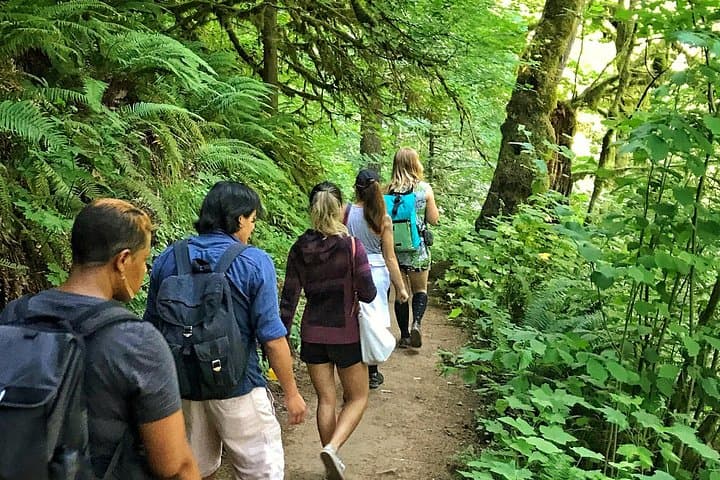
Lose the city for a few hours without leaving it: this 5-mile, 900-foot-gain Forest Park loop threads old-growth pockets, city viewpoints, and cultural landmarks for a compact taste of Portland’s wild side. Expect moss, roots, and stories.