

What the day feels like
When the path drops to the river’s edge and the first sheet of water comes into focus, you understand why people come to Sradinski Buk Waterfalls: the cascade moves like a slow, determined orchestra—travertine risers composing terraces, the Krka River conducting each fall and pool. You step onto a wooden boardwalk that threads through reeds and willows; the wood is warmed by the Adriatic sun, the spray keeps the air cool and mineral-sweet. Close enough to hear the water’s teeth on rock, far enough to watch spray erupt like breath from the river, you can feel the place acting—daring you to slow down and read its history.
Sradinski Buk sits in Krka National Park, a ribbon of green an hour’s drive from Šibenik and a short boat hop from the town of Skradin. The waterfall’s travertine terraces were built over millennia as calcium carbonate settled out of the moving water and accreted into dams; the result is a stair-step cascade that traps emerald pools and channels the river into chutes. Because travertine forms continuously, the falls are alive—constantly reshaping—so the route you walk today is literally the product of the river’s patience and the limestone’s susceptibility.
This is less a remote alpine pilgrimage than a swim-and-hike rendezvous: the approach is gracious—well-marked boardwalks, short stair sections, and viewpoints that reward short bursts of exertion with broad panoramas. The main trail network around Sradinski Buk is roughly 1.5–3 kilometers of mixed boardwalk and packed earth with only modest elevation changes (think 30–50 meters of cumulative gain across viewpoints). That accessibility is part of the waterfall’s charm—and part of the visitor-management challenge for park staff hoping to preserve fragile travertine formations while allowing people to experience them up close.
History moves through this landscape too. The Krka was a trade corridor in Roman times and a frontier in various medieval conflicts—ruins and fortifications dot the wider park—and local villages grew with the river’s productive abundance. Today, the culture here leans into slow food and seafaring: in Šibenik and Skradin you’ll find simple konobas serving fresh-caught fish, slow-cooked lamb under the peka, and small-batch olive oils pressed from trees that remember Ottoman raids and Venetian rule.
What to expect on the ground: you’ll begin on a graded approach that funnels you to a ticketing area and then to the wooden promenades that hug the pools. Terrain is mostly flat, but the boardwalks can be slippery from spray—reliable footwear and a steady pace matter. The trail takes you past broad viewpoints, intimate channel crossings, and natural pools where the river calms into green glass. On busier summer days, the main viewpoint fills with camera straps and sun hats; for a quieter impression, visit early or in shoulder seasons.
Swimming at Sradinski Buk has been part of the Krka experience for years, subject to seasonal and park management rules. When allowed, it’s possible to wade in shallow pools near designated swimming areas; when restricted, the views-only experience is still profound. Either way, assume protections are in place for the travertine formations—avoid applying sunscreen or insect repellent before entering the water and never scrape or step directly on fresh travertine deposits.
Practicalities: reach the falls by car from Šibenik (about 20–30 minutes) or catch a frequent tourist boat from Skradin (a scenic 20–25 minute ride). Start early—arrive by opening if you want softer light for photos and fewer people. Ticket lines in summer can be long; buy online when possible. Bring a refillable water bottle (there are limited kiosks), a light waterproof layer for the spray, and a daypack for essentials. If you plan to swim, pack a towel and a change of clothes in a waterproof bag; public facilities are basic but serviceable.
For hikers and casual adventurers, the route is forgiving: expect 1–3 hours to explore the main circuits and linger at viewpoints. For photographers, early morning or late afternoon offers warm light on travertine and the chance for backlit mist. For families, the boardwalks make the falls an easy win; keep an eye on small children at viewpoints and steps.
When to go: late spring and early autumn balance warm water, fewer crowds, and stable weather. Peak summer brings festival-level visitor numbers and the kind of heat that makes every spray welcome. Winter strips the scene to its bones—the terraces are quieter and the river has a different accent—but some facilities close seasonally, so plan accordingly.
Sradinski Buk is not just a postcard; it’s an active landscape that asks for a patient, respectful kind of travel. Walk quietly, leave no trace, and notice how the river’s movement dictates the entire show. There’s a human scale to the place—benches, interpretive signs, and the occasional fisherman on the river—so your day can be as meditative or as social as you want. Whether you come to photograph travertine lacework, swim in a river-warmed pool, or simply read the rock’s history with your feet, Sradinski Buk offers a slice of Dalmatian wilderness that’s both striking and accessible.
Logistics in brief: arrive early or late, carry water and sun protection, and check Krka National Park’s website for any seasonal closures or swimming restrictions. Treat the travertine with the same care you’d give a coral reef—intact rock equals future beauty. And if you have the time, combine the visit with a seafood lunch in Skradin or an afternoon exploring nearby fortresses along the coast: the river and the sea are neighbors here, and both reward the traveler who takes the slower route home.
Trail wisdom
Small choices, better day.
Arrive early
Beat the crowds and capture the best light—gates open early in high season and the first two hours are the calmest.
Wear grippy shoes
Boardwalks and steps stay wet from spray; trail runners or hiking sandals with good tread reduce slips.
Check swim rules
Swimming is sometimes restricted—confirm current park regulations before planning to enter the water.
Respect travertine
Avoid touching or stepping on fresh travertine deposits; they’re fragile and form slowly.
Local knowledge
Read the place, not just the route.
Watch for native species including European otter (occasionally spotted near quieter pools), Blackcap and kingfishers along the riverbanks.
Keep an eye out for wildlife during the transition between areas and habitats. Respect distance guidelines.
Krka National Park manages visitor flow to protect fragile travertine formations; follow signage, stay on boardwalks, and avoid sunscreen or soaps in the water to reduce pollution.
Follow the guide's instructions on size limits, ethical handling, and leave-no-trace practices.
Take the short boat trip to Skradin for a quiet waterfront lunch at a family-run konoba.. Walk the upstream footpaths for calmer pools and fewer visitors—these trails reveal quieter travertine formations.
Locally recommended viewpoints and quiet spots known best to local operators.
The Krka corridor has been inhabited since antiquity—Roman mills and medieval fortifications along the river speak to centuries of human interaction with this waterway.
Maritime roots and regional tradition shape the waterways and working coasts.
Seasonal guide
Four versions of the same landscape.
Spring
Best forlush greenery · moderate crowds · wildflowers
Challengescooler water · occasional rain
Spring brings high river flow and vivid greens—great for dramatic photos and cooler hikes, but pack a light rain layer.
Summer
Best forswimming (when allowed) · long daylight · warm water
Challengescrowds · high heat · long ticket lines
Summer is peak season for visiting and swimming; arrive early and expect busy boardwalks and full facilities.
Fall
Best forsofter light · fewer visitors · mild temperatures
Challengesshorter days · variable weather
Autumn offers pleasant temperatures and thinning crowds—ideal for leisurely exploration and photography.
Winter
Best forquiet trails · moody river scenes
Challengesreduced services · cooler weather
Winter delivers solitude and dramatic river moods but limited visitor services—check opening hours before you go.
Pack with intention
What to bring.
Good to know
Common questions.
Yes—Sradinski Buk is inside Krka National Park and requires an entry ticket; purchase online in advance in high season to avoid lines.
Plan the edges
The details that make the day easier.
Sradinski Buk (Skradinski buk) is one of the largest travertine waterfall systems in Europe—its terraces form as calcium carbonate precipitates from the flowing river over thousands of years.
Dalmatian konobas pride themselves on simple, regional cooking—order grilled Adriatic fish, a plate of prsut (Dalmatian prosciutto), and local olive oil; pair with a chilled glass of domestic white wine for a true coastal meal.
- Getting there
- 20–30 min drive from Šibenik or 20–25 min boat from Skradin. Duration: 1–3 hours. Difficulty: Easy. Tickets: Krka National Park entry required; book ahead in summer.
Stay on boardwalks to protect travertine growth, avoid using sunscreens before entering park waters, dispose of waste properly, and support local guides and small restaurants to keep tourism benefits in the community.
Explore by topic
Follow the threads.
Keep exploring
Make the story part of the trip.
In four hours you can move from shaded canyon ferns to wind-scoured coastal ridgelines, guided by someone who knows where the light—and the hidden views—live. This private half-day hike on the Monterey Peninsula or Big Sur is compact, curated, and perfect for travelers who want depth without a multiday commitment.
 Related story
Beneath a sky of shifting light, Skaftafell’s ice reads like a map of time. This three-hour guided glacier hike mixes technical instruction with geology and culture: compact, safe, and unforgettable.
 Related story
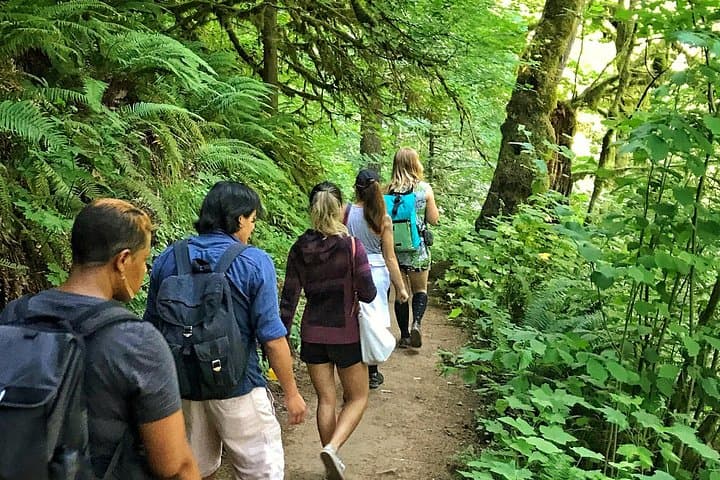
Lose the city for a few hours without leaving it: this 5-mile, 900-foot-gain Forest Park loop threads old-growth pockets, city viewpoints, and cultural landmarks for a compact taste of Portland’s wild side. Expect moss, roots, and stories.