

What the day feels like
You crest a low ridge and the forest inhales — cool, damp air, a weave of moss and fern, the clean green scent of cloud forest that feels older than the road that brought you here. A Land Cruiser thumps down the rutted track behind you, a handful of boots scuffing the trail as your guide calls out a distant bird. It’s early, and the mist is still stealing across the valley; leaves tremble as if the trees themselves are listening. This is La Tigra National Park, a handful of protected cloud forest a short drive from Tegucigalpa where rivers, orchids, and the occasional bright flash of a bird’s wing insist you slow down.
La Tigra’s scale is intimate but wild. Rather than a single summit, the park is a stitched band of ridges and valleys that tame the tropical heat of the lowlands and raise the humidity until mosses become an architectural element of every trunk. The most common way travelers experience this landscape is the day trip: a 4x4 transfer to San Juancito, then a hike across the park that finishes in Jutiapa. Along the way you move through gradients of cloud, past plunging visitor-and-local waterfalls, and across trails that at times feel like a living cathedral of trees.
Geologically, La Tigra sits where the highland backbone of Honduras meets the Caribbean watershed. The soils are volcanic and steep — which is part of why the forest is so good at holding water. That same water feeds communities below and gives the park its showier features: cascades, seep springs and the thick, air-saturated soil that sustains epiphytes and bromeliads. Culturally and historically, the nearby town of San Juancito is woven into the park’s story. A 19th-century mining settlement, San Juancito later anchored local agricultural trade routes; today it’s the jump-off point for trails and a place where old mining ruins meet coffee farms and a backcountry pace of life.
The living things here have weight. Howler monkeys announce territory with cartoonish bellows that echo off hollows, while motmots and toucans flash color through the trees. Keep your ears open for the distinct, staccato calls of cloud-forest birds and the rustle of small mammals in the understory. Guides will point out tiny, jewel-like orchids and the dark, slick bodies of salamanders that prefer the park’s humid night. Because the ecosystem is fragile and dispersed, the best wildlife encounters are patient, respectful and often happen in the quiet spaces between groups.
You’ll want to come prepared. A typical guided crossing of La Tigra and El Picacho Park is a full-day outing — plan on six to eight hours door-to-door if you include transport from Tegucigalpa. Trails are frequently steep and soaked, with roots and rocks that reward solid footwear and a measured pace. Elevation ranges during a standard crossing typically sit between roughly 1,200 and 2,000 meters (3,900–6,600 ft), which means daytime temperatures are mild but mornings and late afternoons can be brisk. A guided group will move deliberately, stopping for waterfalls, viewpoints, and coffee with small communities near trailheads.
Practicality is the backbone of enjoyment here. Hydration matters because even cool hikes in cloud forests are deceptively demanding; waterproof layers matter because the “cloud” is literally mist that finds every seam; and good traction matters because trail sections can be polished by rain and foot traffic. For those who like numbers: expect moderate mileage (around 6–10 kilometers of walking on a typical crossing), a steady but not technical grade, and frequent elevation tweaks that keep the heart rate honest.
Local operators typically include 4x4 transfers (the roads to San Juancito are rutted), a knowledgeable guide, and stops that highlight both natural and cultural features — think waterfalls, viewpoints, and a walk through San Juancito’s historical lanes before the hike continues toward Jutiapa. Guides are more than navigators; they’re translators of place, pointing out medicinal plants, calling bird species, and explaining how this watershed feeds communities below.
Conservation-wise, La Tigra matters beyond its borders: it protects water for Tegucigalpa and preserves a remnant of Central America’s cloud forest that is rare and rapidly declining elsewhere. Visitors can help by staying on trails, avoiding single-use plastics, and supporting local guides and small businesses in San Juancito and Jutiapa.
If you go: start early to catch birds and avoid afternoon fog; pack layers for quick temperature swings; and, if possible, hire a guide from a local cooperative. The reward is a day that recalibrates the senses — mist on your face, the steady sound of water, and the satisfaction of hiking through a forest that still feels like it has the power to surprise.
La Tigra National Park is not a conquest; it’s a paced conversation with a landscape that holds water, history and a precise humidity that clings to the memory. Walk in with curiosity and leave a little quieter than you arrived.
Trail wisdom
Small choices, better day.
Start at dawn
Bird activity and clearer trails make early starts worth it; aim to be hiking before 7:30 a.m.
Bring traction
Trails are often muddy and rooty—sturdy, sticky-soled boots or microspikes improve safety.
Pack a light waterproof layer
Mists turn into steady drizzle quickly; a breathable rain shell keeps you comfortable and dry.
Hire a local guide
Guides provide context, point out wildlife and keep groups on permitted routes—book through reputable local operators.
Local knowledge
Read the place, not just the route.
Watch for native species including Resplendent quetzal, Howler monkey.
Keep an eye out for wildlife during the transition between areas and habitats. Respect distance guidelines.
La Tigra protects critical watershed that supplies Tegucigalpa; visiting on designated trails and supporting local guides helps reduce pressure on fragile habitat.
Follow the guide's instructions on size limits, ethical handling, and leave-no-trace practices.
San Juancito’s former mining lanes and small museums that tell the town’s 19th-century history. Jutiapa viewpoint and nearby community coffee stands where you can taste local beans
Locally recommended viewpoints and quiet spots known best to local operators.
San Juancito developed as a 19th-century mining town and later became a regional trade hub; the park preserves both ecological and cultural connections to these highland communities.
Maritime roots and regional tradition shape the waterways and working coasts.
Seasonal guide
Four versions of the same landscape.
Spring
Best forWildflower displays · Moderate temperatures
ChallengesOccasional showers · Slippery trails
Late spring (Feb–Apr) is often the driest, with clearer hiking days and abundant epiphyte blooms—expect cool mornings and misty afternoons.
Summer
Best forLush green scenery · Fewer crowds
ChallengesHeavier rains · Trail washouts
Summer brings intense greenery and frequent rains—trails can be muddy and some sections may be temporarily impassable after storms.
Fall
Best forMigratory birds · Crisp clear mornings
ChallengesResidual wet ground · Shorter daylight hours
Autumn sees receding rains and stable bird activity; days are pleasant but pack for cool mornings.
Winter
Best forDry trails · Best visibility
ChallengesCooler temperatures at altitude · Early sunsets
The local dry season (roughly Nov–Apr) is the most reliable time for a crossing—clear skies and comfortable hiking conditions.
Pack with intention
What to bring.
Good to know
Common questions.
A guided crossing combined with visits to El Picacho is typically a full-day outing of about 6–8 hours including transfers; on-trail distance is commonly 6–10 km depending on route.
Plan the edges
The details that make the day easier.
La Tigra was established as one of Honduras' earliest protected areas to safeguard cloud-forest habitat and the water supply for Tegucigalpa.
Stop in San Juancito for fresh coffee and a taste of local highland cuisine; the town’s mining past is visible in small museums and restored buildings—supporting local cafés and guides directs tourist dollars into the communities that steward the park.
Stick to marked trails, pack out trash, avoid single-use plastics and consider booking through community-based guides to ensure local benefits from tourism.
Explore by topic
Follow the threads.
Keep exploring
Make the story part of the trip.
In four hours you can move from shaded canyon ferns to wind-scoured coastal ridgelines, guided by someone who knows where the light—and the hidden views—live. This private half-day hike on the Monterey Peninsula or Big Sur is compact, curated, and perfect for travelers who want depth without a multiday commitment.
 Related story
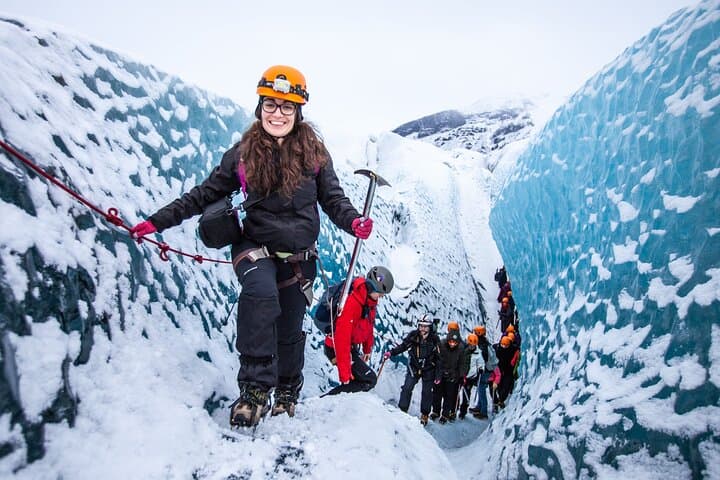
Beneath a sky of shifting light, Skaftafell’s ice reads like a map of time. This three-hour guided glacier hike mixes technical instruction with geology and culture: compact, safe, and unforgettable.
 Related story
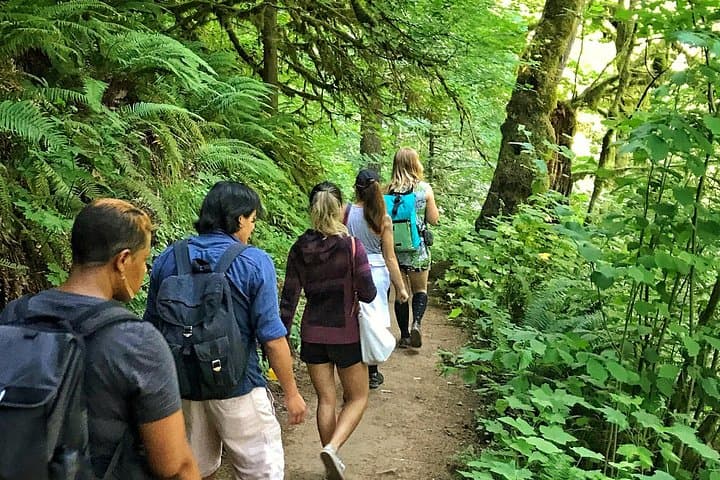
Lose the city for a few hours without leaving it: this 5-mile, 900-foot-gain Forest Park loop threads old-growth pockets, city viewpoints, and cultural landmarks for a compact taste of Portland’s wild side. Expect moss, roots, and stories.