

What the day feels like
You step off the sunned road and the island exhales. The heat on Roatán’s coastal fringe gives way to a cooler hush under the forest canopy—pale shafts of light threading between ceiba and gumbo-limbo, leaves stirring with the restless chatter of birds. At Oak Ridge, the island’s interior comes forward in a way the shore never does: a stitched landscape of old limestone, fern-carpeted gullies and narrow ridgelines that reward a short, energetic climb with a pocket of view that feels private and earned.
This place is not a cliffside postcard; it’s an intimate island interior experience. Oak Ridge is one of Roatán’s patchwork green spaces where the Caribbean’s marine fame gives a breather to the island’s terrestrial side. Geologically, Roatán is a product of uplifted coral and limestone—beneath your boots you’ll find karst outcrops and occasional caves worn by time and rain. The soils are thin but fertile in hollows, which is why patches of dry forest here look older and tighter than the casually grazed coastal scrub. You’re moving through chapters of natural history: coral reefs raised to hilltops and forest reclaiming the seams.
Culturally, Oak Ridge sits near communities that have lived by the sea for generations. Fishermen from West End, boatbuilders from Coxen Hole, families who tend small gardens and citrus plots—this interior trail connects the ecological life of the land with the livelihoods of the island. Look for small banana and coconut groves bordering the ridges; these are part of a long local rhythm that feeds kitchens, not tourism brochures.
What feels immediate at Oak Ridge is the wildlife. Howler monkeys announce themselves with low, rolling calls that vibrate through the trunks; iguanas sun on exposed rocks like living sculptures. Birdlife is active: hummingbirds dart in flashes, and tropical flycatchers patrol the understory. Because the island is compact, the biodiversity is intense—short hikes often pack more sightings than longer treks on larger landmasses.
The trails here are candid and practical. Expect a network of paths that total roughly 1–3 miles depending on how you weave them together, with short climbs that amount to a few hundred feet of elevation gain—enough to quicken the breath but not to require technical gear. Terrain ranges from packed dirt and limestone rock to sections of leaf litter; after rain, the paths can be slick. Trails are shaded for most of the route, broken by small clearings that let you peer across the canopy to the turquoise edge of the island in the distance.
Why visit? Oak Ridge is a compact, low-commitment way to add a different flavor to a Roatán trip that will likely feature snorkeling and beaches. It’s ideal for travelers who want to swap reef-time for green-time: a morning hike that gives space to notice small things, from the sculpted bark of strangler figs to ants ferrying seeds, or to get a broader view of the island’s topography from a modest rise. Photographers will appreciate the broken light under the canopy; families and active travelers will like the short, varied terrain that keeps everyone engaged.
Practicalities matter here. The best time is early morning—cooler air, active wildlife, and clearer light. Bring sturdy trail shoes with good tread; sneakers are fine, but sandals with closed toes are not recommended. Carry water and a light rain shell; tropical showers can appear without warning and make the limestone slippery. There are no formal services within the ridge—no cafes, no restrooms—so treat the place with leave-no-trace respect and plan for self-sufficiency.
Guides are available locally and often worth hiring for a first visit. They bring local natural history, know where the monkeys are likely to be, and can explain the relationship between the island’s geology and the plants you’re seeing. If you prefer to go solo, follow clearly marked entry points, carry a charged phone, and let someone know your plans.
Combine Oak Ridge with reef activities for a balanced day: morning on the trail, afternoon snorkeling the Mesoamerican Barrier Reef. Or turn it into a cultural afternoon by finishing in a nearby village for a fresh-caught fish lunch and a conversation about island life. Oak Ridge rewards a moderate curiosity—notice the small things, respect the forest, and you’ll leave the way the island intended: a little quieter, a little more aware.
The interior of Roatán is not a dramatic mountain range; it’s a network of living rooms where island life plays out. Oak Ridge is one of the better places to sit in that room and listen. It’s not about conquering a peak; it’s about paying attention—letting a ridge, a tree, a bird put you in the rhythm of the island. That’s adventure on Roatán’s terms: immediate, manageable, and unforgettable in its detail.
Trail wisdom
Small choices, better day.
Go early
Start at dawn for cooler temperatures and the best chance to see howler monkeys and active birdlife.
Grip matters
Wear shoes with good tread—limestone and wet leaf litter can be slippery after rain.
Pack water and snacks
There are no services on the trail—carry at least 1–2 liters per person for a morning visit.
Hire a local guide for deeper insight
Guides point out small wildlife and explain the island’s ecology and cultural links.
Local knowledge
Read the place, not just the route.
Watch for native species including Howler monkeys, Green iguanas and a variety of tropical songbirds.
Keep an eye out for wildlife during the transition between areas and habitats. Respect distance guidelines.
Protecting small interior reserves like Oak Ridge helps preserve water catchments and native species; visitors should stick to trails and avoid removing plants or wildlife.
Follow the guide's instructions on size limits, ethical handling, and leave-no-trace practices.
Small ridgeline viewpoint with views to the western reef line. A native fruit grove near the trailhead where locals sometimes leave fresh fruit for hikers
Locally recommended viewpoints and quiet spots known best to local operators.
Roatán’s interior reflects uplifted coral limestone and a legacy of mixed Garífuna, English-speaking Bay Islanders, and mestizo communities who have long used these ridges for small-scale agriculture.
Maritime roots and regional tradition shape the waterways and working coasts.
Seasonal guide
Four versions of the same landscape.
Spring
Best forbirdwatching · comfortable hikes
Challengesseasonal showers · occasional muddy sections
Spring brings active birdlife and warming temperatures; trails are pleasant but expect intermittent rain.
Summer
Best forearly-morning wildlife viewing · combining reef and ridge days
Challengesheat and humidity · afternoon thunderstorms
Summer is hot and humid—plan hikes early and avoid midday; thunderstorms can make paths slick.
Fall
Best forfewer crowds · lush vegetation
Challengesoccasional heavy rains · increased cloud cover
Fall keeps the forest green and lively; short heavy rains are possible, so pack a light rain layer.
Winter
Best formilder temperatures · clear views
Challengesvariable weather systems · less frequent but possible rain
Winter offers milder conditions and comfortable hikes, with clear light for photography most days.
Pack with intention
What to bring.
Good to know
Common questions.
The trail network can be explored in 1–3 hours depending on your route; most visitors complete a loop in about 1–2 hours.
Plan the edges
The details that make the day easier.
Roatán is part of the Bay Islands formed from uplifted coral and limestone—some of the island’s highest ridges were once reefs under the sea, a fact visible in exposed coral and fossilized formations inland.
Finish your hike with a bite at a local palapa—try freshly fried fish, plantain, and a cold Honduras beer or a cooling tamarind agua fresca; chatting with locals about the island’s rhythms is part of the visit.
- Nearest hubs
- West End and Coxen Hole; duration: 1–3 hours; difficulty: moderate; services: none on-trail; guide recommended for first-timers.
Support local guides and respect trail boundaries—small-scale tourism revenue helps pay for conservation and community projects on Roatán.
Explore by topic
Follow the threads.
Keep exploring
Make the story part of the trip.
In four hours you can move from shaded canyon ferns to wind-scoured coastal ridgelines, guided by someone who knows where the light—and the hidden views—live. This private half-day hike on the Monterey Peninsula or Big Sur is compact, curated, and perfect for travelers who want depth without a multiday commitment.
 Related story
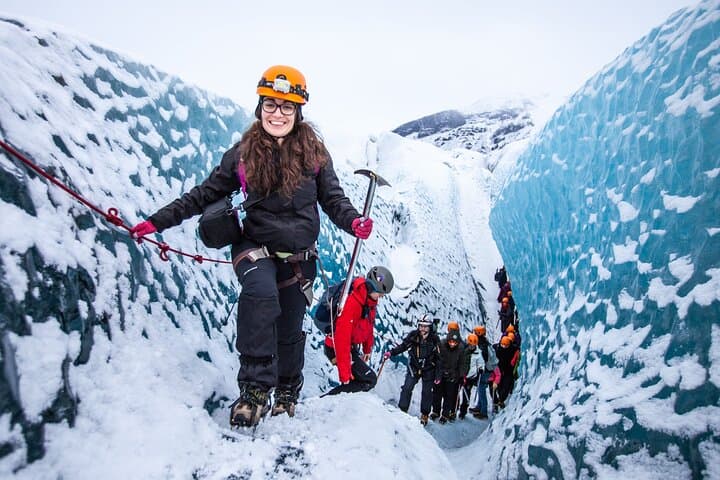
Beneath a sky of shifting light, Skaftafell’s ice reads like a map of time. This three-hour guided glacier hike mixes technical instruction with geology and culture: compact, safe, and unforgettable.
 Related story
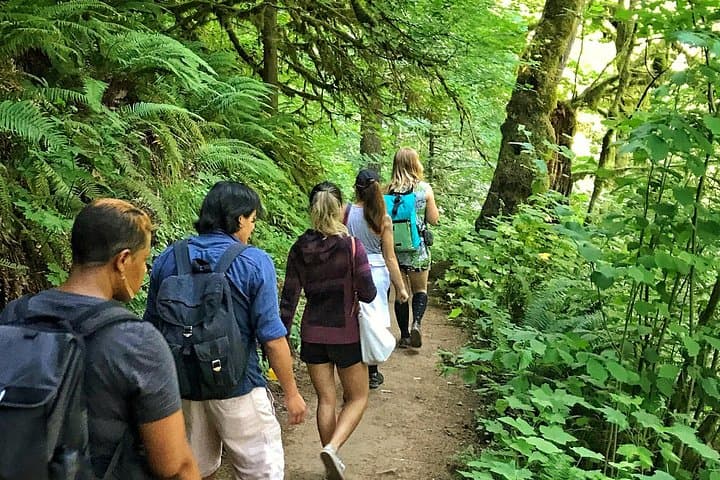
Lose the city for a few hours without leaving it: this 5-mile, 900-foot-gain Forest Park loop threads old-growth pockets, city viewpoints, and cultural landmarks for a compact taste of Portland’s wild side. Expect moss, roots, and stories.