
What the day feels like
You start before sunrise, the windshield a dark rectangle against an endless Arizona sky. The city thins; Sonoran scrub gives way to red-rock silhouettes as your guide points out a distant mesa catching the first light. The drive between Phoenix and Sedona is its own act of the show—long hairpin climbs, scrub-lined pullouts and the slow unveiling of Bell Rock’s copper shoulder. By midday you’re standing at a low ledge of layered sandstone watching light roll across a formation that seems to lean toward you, as if offering a private greeting.
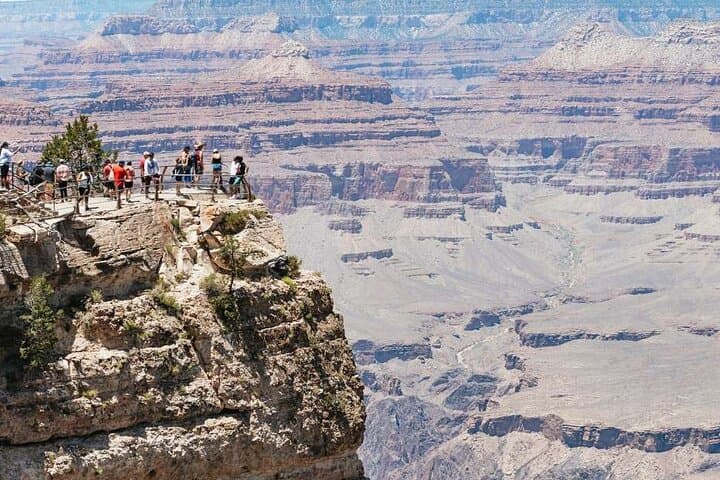
By afternoon the road has done its work: you arrive at the Grand Canyon’s South Rim and there it is—the scale that makes you quiet. The canyon doesn’t just sit; it performs. Ridges and buttes slice the sky in jagged silhouettes, shadows draw black rivers across rust-colored terraces, and the Colorado River, far below, flashes as a thin, daring thread. On a small-group private tour, the canyon feels less like a postcard and more like an encounter: the guide offers context, a bench becomes a temporary observatory, and there’s time to walk beyond the crowd and let the space sink in.
This private day tour, which links Sedona’s intimate vortex-like vistas with the Grand Canyon’s vastness, is compact but surprisingly generous. It’s a curated sprint—Bell Rock Vista and the Chapel of the Holy Cross in Sedona; Grand Canyon Village viewpoints like Yavapai Point and the historic rimwalk; up to three hours of time inside Grand Canyon National Park. The vehicle does the heavy lifting and a knowledgeable local does the translating: geology into story, Navajo and Hopi legacy into human scale, and traffic into timing.
Geology and history are folded into every stop. Sedona’s red sandstone dates to an era of ancient rivers and deserts; wind and water sculpted Bell Rock into a landmark that today reads like a milepost for hikers. The Grand Canyon, carved by the Colorado River over some six million years of uplift and erosion, exposes nearly two billion years of Earth’s crust—the Vishnu Schist at the bottom is ancient enough to silence the usual small-talk impulse. Cultural layers are present too: ancestral Pueblo peoples, Hopi and other tribes, and the more recent imprint of early 20th-century park archaeology and Grand Canyon Village development.
Why take a private tour instead of driving yourself? For travelers short on time or looking for a hands-off, expert-led day, a private option is efficient and tailored. Guides pick the best viewpoints based on light and crowd conditions, handle permits and logistics, and often provide local history and natural lore you’d miss from a roadside map. This is not a wilderness expedition—it’s a guided, interpretive experience meant to introduce you to two of Arizona’s wonders with minimal planning fuss.
Practicalities matter. This full-day outing runs roughly 11 hours (around 660 minutes), typically with hotel pickup and drop-off in Phoenix or nearby towns, and it accommodates 1–5 travelers. Expect long stretches in the vehicle; interfaces between sitting and standing—particularly at the rim—mean bring layers. The tour lists a starting price (from USD 1,500) for a private group—expensive by a standard day-trip measure, but reasonable given private transport, guide expertise, park entry, and the distance covered.
Timing is everything. Sunrise and late afternoon deliver the best light—if your schedule allows, ask the guide to prioritize rim viewpoints when shadows emphasize the canyon’s relief. In Sedona, mid-morning avoids both the cold of early dawn and midday crowds. Fuel your day with water and snacks, but also leave room for a proper lunch either in a shaded overlook near Sedona or at Grand Canyon Village’s café when you’ve had your first long look.
This tour is also a low-impact way to experience the park: small groups reduce noise and congestion at viewpoints, and professional guides are often practiced in Leave No Trace principles. Still, the canyon is fragile—stay on designated viewing platforms when posted, and resist the urge to approach precipices for selfies.
If you want a longer immersion into either place, consider turning a day into a multi-day itinerary: a night in Sedona to hike Devil’s Bridge or a lodge stay at the South Rim for stargazing and a sunrise that repays the extra time.
For travelers who want a balanced day—uncomplicated logistics, regional geology and culture, and two spectacular landscapes—the <a href="https://app.advcollective.com/local-experts/explore-grand-canyon-sedona-private-tour-phoenix">Private Grand Canyon with Sedona Tour from Phoenix</a> is a pragmatic splurge. It asks only that you bring curiosity, a steady pair of shoes, and a readiness to let scale and color reshape your sense of what a desert can be.
Trail wisdom
Small choices, better day.
Start early
Depart before dawn to beat traffic and see Sedona in soft morning light; it also leaves more time at the Grand Canyon before midafternoon crowds.
Layer for the rim
Temperatures can swing dramatically between Phoenix, Sedona, and the South Rim—bring a breathable insulating layer and a wind shell.
Hydrate and snack
Carry at least 1–2 liters of water and high-energy snacks; services at some viewpoints are limited and you’ll appreciate the boost after walking the rim.
Mind the edge
Respect posted barriers and keep a safe distance from the rim—wind gusts and loose rock make unofficial viewpoints risky.
Local knowledge
Read the place, not just the route.
Watch for native species including Mule deer, California condor (rare sightings).
Keep an eye out for wildlife during the transition between areas and habitats. Respect distance guidelines.
Both areas manage heavy visitation—practice Leave No Trace, stay on designated paths, and support local conservation groups to help protect fragile desert and rim ecosystems.
Follow the guide's instructions on size limits, ethical handling, and leave-no-trace practices.
Small pullouts on Schnebly Hill Road for intimate red-rock angles. Less-trafficked overlooks near Hermit Road (seasonal shuttle access)
Locally recommended viewpoints and quiet spots known best to local operators.
Grand Canyon Village grew in the early 20th century as rail access brought tourism; Sedona’s resurgence began in the mid-century with artists and spiritual communities.
Maritime roots and regional tradition shape the waterways and working coasts.
Seasonal guide
Four versions of the same landscape.
Spring
Best forWildflower sighting · Mild daytime temperatures · Less crowded trails
ChallengesOccasional spring storms · Cool mornings at elevation
Spring balances comfortable temps in Sedona with increasingly mild Rim weather; bring layers for chilly mornings and sudden showers.
Summer
Best forLowest chance of snow · Long daylight hours · Vibrant sunset colors
ChallengesHigh heat in Phoenix and Sedona · Monsoon storms and lightning potential at the rim
Summer offers long days but can be hot in the low desert; watch monsoon forecasts and avoid exposed midday hikes.
Fall
Best forCrisp air and clear light · Stable weather · Smaller crowds than summer
ChallengesCooler nights · Earlier sunsets
Fall is ideal—stable conditions, excellent visibility, and warm afternoons—making it the optimal season for this loop.
Winter
Best forSnow-dusted rim vistas · Quieter parks · Unique photographic contrasts
ChallengesIcy rim trails · Possible road closures due to snow
Winter creates dramatic contrasts—dress warmly and be prepared for snow or ice on South Rim walkways.
Operator details
What the booking data adds.
Included
- ✓Private transportation
- ✓Bottled water
- ✓Air-conditioned Vehicle
- ✓Views of the Glen Canyon Dam, the desert, and the Grand Canyon along the route.
Not included
- —Gratuities
- —Lunch
Good to know
- ✓Specialized infant seats are available
- ✓Public transportation options are available nearby
- ✓Suitable for all physical fitness levels
Pack with intention
What to bring.
Good to know
Common questions.
The tour is a full-day experience—about 11 hours—with hotel pickup/drop-off, guided stops in Sedona (Bell Rock Vista, Chapel of the Holy Cross) and multiple viewpoints at the Grand Canyon South Rim; small-group private format includes guide services and driving.
Plan the edges
The details that make the day easier.
The Grand Canyon stretches about 277 miles long, reaches widths of up to 18 miles, and at its deepest point is over a mile (about 6,093 feet) deep—exposing nearly two billion years of the Earth’s geological history.
After the day’s horizons, head to Sedona’s Uptown for a relaxed meal—try Southwestern cuisine with local red-chile flavors or a craft beer at a small brewery; near the South Rim, the El Tovar Dining Room offers historic lodge ambience and regional dishes.
- trailhead
- Phoenix Sky Harbor (PHX) for pickups; Driving distance from Phoenix: ~2.5–4 hours depending on route and stops; Cell service: Patchy at the South Rim—expect limited reception; Permits
- passes
- Grand Canyon National Park entrance fee typically required (operator may include it).
The South Rim and Sedona landscapes are vulnerable to trampling and overstays; pack out waste, stick to designated trails, and consider carbon-offset options or combining visits to reduce driving emissions.
Explore by topic
Follow the threads.
Keep exploring
Make the story part of the trip.
In four hours you can move from shaded canyon ferns to wind-scoured coastal ridgelines, guided by someone who knows where the light—and the hidden views—live. This private half-day hike on the Monterey Peninsula or Big Sur is compact, curated, and perfect for travelers who want depth without a multiday commitment.
 Related story
Beneath a sky of shifting light, Skaftafell’s ice reads like a map of time. This three-hour guided glacier hike mixes technical instruction with geology and culture: compact, safe, and unforgettable.
 Related story
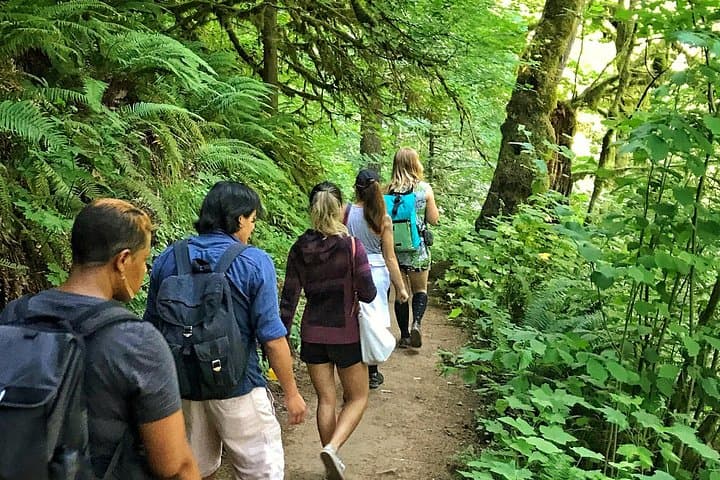
Lose the city for a few hours without leaving it: this 5-mile, 900-foot-gain Forest Park loop threads old-growth pockets, city viewpoints, and cultural landmarks for a compact taste of Portland’s wild side. Expect moss, roots, and stories.