

What the day feels like
At 4:30 a.m., Vidigal is a breath held between night and the clap of city life. Moto-taxis thread narrow alleys, headlights cutting through pockets of twilight. You ride up toward the trailhead with a small group of photographers, a local guide, and the steady hum of the Atlantic in the distance. The forest greets you like a living room—humid air, the scent of damp leaves, and a chorus of insects slowing as you pass. By headlamp, the trail winds up through coastal Atlantic Forest, alternately soft with leaf litter and firm with exposed roots and slabs of granite. Every step draws you higher until the city unfurls behind: the dark ribbon of Ipanema, the crescent white of Leblon, the silhouette of Christ the Redeemer framed against a still-pale horizon.
Morro Dois Irmãos—Two Brothers Hill—produces one of those views that makes the rest of Rio readable. From the summit, the city's seams show: luxury beaches, sprawling favelas clinging to green shoulders, and the enormous, breathing breadth of Tijuca Forest. This is not an alpine technical climb. It’s a compact, steep invitation—about 1.5 km each way, a 90-minute round trip for most visitors, with roughly 275 meters of elevation gain. But its payoff is disproportionate: the panorama sweeps from Arpoador’s surf to the far edge of Pedra da Gávea, a line of coastal mountains that reads like a topographical novel.
For centuries the hills of Rio have acted as both barrier and beacon. Geologically, Dois Irmãos is composed of the same granitic backbone that shapes much of Rio’s iconic skyline: outcrops of hard rock carved by erosion and time. Culturally, the hill sits above Vidigal, a favela with deep roots and a stubborn, creative pulse. Vidigal’s streets tell more than survival stories; they are canvases of graffiti, small businesses, and community-led initiatives like the Sitiê Ecological Park—once a dump, now a space for environmental education. The hill’s lookout points, including the Mirante do Arvrão and local bars like Bar da Laje, have become places where locals and visitors alike share cold beers and expansive light.
There is an intimacy to climbing Dois Irmãos that mainstream viewpoints in Rio sometimes lack. Many visitors combine the ascent with a favela tour led by resident guides. These walks are not a spectacle; they are a chance to understand Vidigal’s history, learn about grassroots conservation efforts, and appreciate local entrepreneurship. Some operators even donate a portion of tour proceeds back to the community, helping sustain the fragile balance between tourism and everyday life.
Practicalities matter here. The trail varies between packed dirt and sections of rock steps; occasional short scrambles are useful for balance but not technical climbing. The path can be slippery after rain, and dense canopy leads to sudden pockets of humidity. Guides often recommend starting before dawn for cooler temperatures and to beat the midday sun; the sunrise itself is a cinematic chorus of color that spreads slowly across sugarloaf peaks and ocean swells.
How to experience Dois Irmãos well: join a guided sunrise hike if you want a curated, safe morning—expect a 3–4 hour tour from hotel pickup to return. If you prefer a shorter outing, a 90-minute round-trip group hike is the most common option; local guides frequently combine it with a walking tour of Vidigal or a moto-taxi approach to the trailhead and a foot descent through the favela. Photography enthusiasts often pair the climb with a moto-taxi ride for portraits of favela life on the way down, or tack the hike onto a wider nature day that includes Tijuca Forest or Prainha Beach.
Safety and etiquette are straightforward: go with a licensed local guide if you’re unfamiliar with the area, carry cash for moto-taxis and small purchases, and respect residential spaces—don’t photograph people without permission. On conservation, support operators that give back to Vidigal or those that follow low-impact routes through the Atlantic Forest.
Who will love Dois Irmãos? Day hikers who want uncompromising city-and-sea views without technical climbing; photographers chasing sunrise light across Rio’s skyline; travelers curious about the meeting point between urban life and Atlantic Forest. It’s accessible enough for casual hikers in good health, but steep enough to feel like an achievement.
If you go: plan for early starts in the dry season (June–September) when humidity and afternoon squalls are less likely. Bring water—1 liter per person as a baseline—steady footwear, a headlamp for pre-dawn ascents, and a lightweight rain shell if clouds loom. Allow time after the hike to explore Vidigal’s graffiti lanes, grab a fresh coconut, or sit at a mirante for a caipirinha and conversation.
Morro Dois Irmãos is a condensed story of Rio: rock and rainforest, elite beaches and bustling neighborhoods, solitude and community. The hill doesn’t ask much—just that you climb, look around, and leave the place as you found it. In return, you get a view that holds a city’s contradictions in a single frame, and the rare chance to see Rio in a way that feels intentional, immediate, and human.
Trail wisdom
Small choices, better day.
Start before dawn
For cooler temperatures and better light, begin your hike 60–90 minutes before sunrise; bring a headlamp.
Take a local guide
Guides know the best lines, local history, and how to navigate Vidigal safely—especially for early or late starts.
Hydrate and snack
Bring at least 1 liter of water and a quick snack—there are no reliable water sources on the trail.
Wear grippy shoes
Trail sections can be steep and slick; trail runners or low-cut hiking shoes with good traction are ideal.
Local knowledge
Read the place, not just the route.
Watch for native species including Common marmosets, Toucans and small tropical birds.
Keep an eye out for wildlife during the transition between areas and habitats. Respect distance guidelines.
Several tours donate part of proceeds to Vidigal community projects; stay on established trails to protect the Atlantic Forest understory.
Follow the guide's instructions on size limits, ethical handling, and leave-no-trace practices.
Mirante do Arvrão — a quieter viewpoint with local bars. Sitiê Ecological Park — community-run ecological garden and education project
Locally recommended viewpoints and quiet spots known best to local operators.
Vidigal began as an informal settlement in the mid-20th century and has evolved into a creative, community-rich neighborhood with notable grassroots environmental projects.
Maritime roots and regional tradition shape the waterways and working coasts.
Seasonal guide
Four versions of the same landscape.
Spring
Best forWildflower blooms · Moderate temps · Afternoon city views
ChallengesUnpredictable showers · High humidity later in day
Spring (Sept–Nov) brings warmer temperatures and occasional rain—mornings are usually the most pleasant for hiking.
Summer
Best forLush forest · Long daylight hours · Combining with beaches
ChallengesHigh heat and humidity · Frequent afternoon storms
Summer (Dec–Feb) is hot and humid; start extremely early to avoid midday heat and sudden downpours.
Fall
Best forClear skies · Lower humidity · Great sunrise photography
ChallengesCooler nights · Potential windy conditions at summit
Fall (Mar–May) often provides stable weather and crisp mornings—prime for sunrise hikes and clear city vistas.
Winter
Best forDry trails · Cool hiking conditions · Less humidity
ChallengesCooler pre-dawn temps · Shorter daylight if combining activities
Winter (Jun–Aug) is Rio’s dry season—ideal for hiking with cooler temperatures and clearer air for long-distance views.
Pack with intention
What to bring.
Good to know
Common questions.
Most guided groups take 90 minutes round-trip; allow 2–3 hours if you include travel from your hotel and time in Vidigal.
Plan the edges
The details that make the day easier.
Pope John Paul II visited Vidigal’s Pope’s Chapel in 1980; Vidigal is also home to community projects like the Sitiê Ecological Park that reclaimed a former dump into an environmental education space.
After the climb, sink into Vidigal’s communal terraces—Bar da Laje serves caipirinhas with views, local street vendors sell grilled cheese and coconut water, and community-run arts projects showcase graffiti and live music.
- Duration
- 1.5–3 hrs; Distance: ~3 km round-trip; Elevation gain: ~275 m; Start point: Vidigal; Guide recommended; Cash for moto-taxi; No permit required.
Choose guides who reinvest in Vidigal, avoid off-trail shortcuts that damage understory, pack out waste, and support local businesses to ensure tourism benefits residents.
Explore by topic
Follow the threads.
Keep exploring
Make the story part of the trip.
In four hours you can move from shaded canyon ferns to wind-scoured coastal ridgelines, guided by someone who knows where the light—and the hidden views—live. This private half-day hike on the Monterey Peninsula or Big Sur is compact, curated, and perfect for travelers who want depth without a multiday commitment.
 Related story
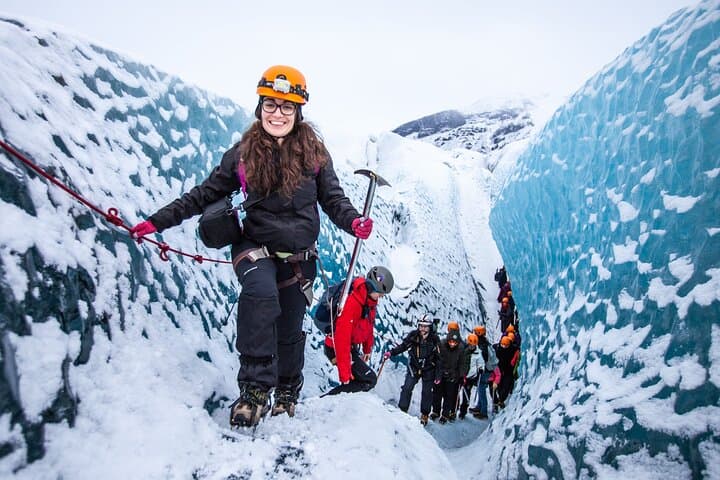
Beneath a sky of shifting light, Skaftafell’s ice reads like a map of time. This three-hour guided glacier hike mixes technical instruction with geology and culture: compact, safe, and unforgettable.
 Related story
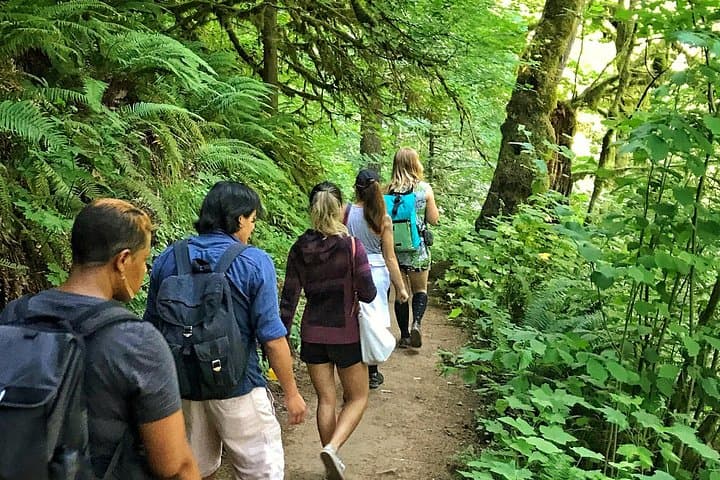
Lose the city for a few hours without leaving it: this 5-mile, 900-foot-gain Forest Park loop threads old-growth pockets, city viewpoints, and cultural landmarks for a compact taste of Portland’s wild side. Expect moss, roots, and stories.