

What the day feels like
When the Tioga Road lifts you out of the pines and dumps you onto the broad, grassy expanse of Tuolumne Meadows, the first sensation is of space—an alpine plain edged by granite, ventilated by wind and a river that never stops suggesting you follow it. Morning light spills across stunted wildflowers and the Tuolumne River threads through the meadow like a silver promise. Granite domes puncture the skyline—Lembert Dome’s flanks catching early light, Cathedral Peak and Unicorn Peak standing watch in the distance—and the air has that particular high-country clarity that makes every detail feel sharpened: the hum of bees, the clack of a distant marmot, the river daring you to stroll downstream.
Tuolumne Meadows is not a single hike so much as a place that contains many hikes, ambitions, and temperaments. It sits at roughly 8,600 feet, a broad subalpine meadow within Yosemite National Park and the heart of the park’s High Sierra. You can spend a morning scrambling a short, polished route up Lembert Dome—about 1.5 miles round-trip with roughly 400 feet of gain—for a panoramic look at the meadow, then wander to Dog Lake or Elizabeth Lake for quieter water and reflect on why granite and glacial sculpting dominate the story here. Or you can step deeper: five-day backpacking routes move you through high alpine basins—camping at May Lake at the base of Mount Hoffman (10,850 ft), standing at Glen Aulin where the Tuolumne River funnels into the Grand Canyon of the Tuolumne, and finding secret polly-dome cirques that feel half-hidden by design.
Geology and history are sewn into the land. These meadows are glacially carved: broad amphitheaters formed as ice sheets polished and scooped the granite, leaving behind the domes and smooth faces climbers prize. The Tuolumne River is an agent of continual change here, carving granite and braiding through sedge and willow. Native peoples used these summer meadows for millennia; later, naturalists and photographers like Ansel Adams helped translate the place into an American sense of wildness. The name Tuolumne itself comes through Miwok and Paiute histories—an echo of a deep human presence long before roads and visitor centers.
What makes Tuolumne special is the interplay of scale and intimacy. From a bird’s-eye vantage, the meadows are vast and filled with contrast: bold granite, thin stands of whitebark pine, and scattered tarns. On the ground, pocketed wetlands and little streams demand attention—the small, sharp moments that keep a day interesting. Guides and outfitters use the meadow as a gateway: private hiking tours walk visitors to Lembert Dome, Dog Lake, and Elizabeth Lake, while photography lessons leverage the soft dawn and sharp afternoons to coach framing and exposure. Anglers seek high-country trout in quiet alpine lakes and reaches of the Tuolumne well above 8,000 feet; the rhythm of casting becomes a kind of meditation against a backdrop of snow-tipped ridgelines.
Practicality is part of the appeal. Trails in the Tuolumne region are generally well-marked but the altitude is the wild card—what feels easy at sea level can become a long day up here. Day hikes like Lembert Dome and Dog Lake are accessible to most hikers with steady legs; plan on 1–4 miles round-trip and moderate elevation work. Backpacking trips offered in the High Country include manageable daily mileage and opportunities for swimmers and summit-seekers alike—expect alpine days of 5–9 miles with camps at places like May Lake and Glen Aulin. Fly-fishing outings typically range from half-day to full-day trips that prioritize catch-and-release fishing for rainbow, brown, brook, and golden trout on remote lakes and the Tuolumne watershed.
Timing and preparation matter. Tioga Road (the entry artery) is seasonal—usually open late spring through early fall—so plan for a summer window if you want full High Sierra access. Weather can flip fast: summer mornings can be glassy and still, afternoons stormy, and nights thin and cold. Footwear should be broken-in, traction-ready boots; layers and sun protection are non-negotiable. For overnight travel, Yosemite requires bear canisters for food storage, and backcountry permits are necessary for camping at Glen Aulin or beyond.
How to experience Tuolumne: arrive at dawn when the meadow is a palette of chilled colors; hike Lembert Dome and then drop to the Tuolumne River for a stretch. If you have two days, book a private High-Country adaptive tour or a guided photography lesson to learn composition and timing for the light. For anglers, a private guided fly-fishing trip will take you above 8,000 feet where quiet coves and granite bowls hold trout and the views are part of the catch.
Tuolumne’s personality is not raw adrenaline—though it offers that when you want it—it's the measured joy of high-altitude travel: a float of meadow, the scratch of rock under boot, the river’s constant insistence that you keep moving. Treat the place with the care it deserves. Stick to trails, pack out your food and micro-trash, use a bear canister, and leave the wetland edges intact. In return, Tuolumne gives you a lesson in scale and pace: big skies, patient granite, and a river that keeps coaxing you further into the High Sierra.
Trail wisdom
Small choices, better day.
Acclimatize before you hike
Spend a night around 4,000–6,000 ft or take a relaxed morning in Lee Vining or Tuolumne to reduce altitude effects before striking out to 8,600 ft.
Start early for light and crowds
Begin hikes at first light for calm winds, fewer people on Lembert Dome, and dramatic morning light for photography.
Respect meadow ecosystems
Stay on durable trails through wet areas to avoid trampling fragile alpine plants and damaging hydrology.
Carry a bear canister for overnight trips
Yosemite requires hard-sided food storage for backcountry camping—pack and use one to protect wildlife and your food.
Local knowledge
Read the place, not just the route.
Watch for native species including Marmot, Mule deer.
Keep an eye out for wildlife during the transition between areas and habitats. Respect distance guidelines.
Meadows and wetlands are highly sensitive; staying on trails, packing out waste, and using bear-resistant storage help protect fragile High Sierra ecosystems.
Follow the guide's instructions on size limits, ethical handling, and leave-no-trace practices.
Polly Dome Lake—small, semi-hidden alpine lake near backpacking routes. Glen Aulin Camp and the Tuolumne River steps downstream from the meadow
Locally recommended viewpoints and quiet spots known best to local operators.
Tuolumne Meadows has a long history of seasonal use by Native American groups and later became central to Yosemite’s conservation story as early naturalists and photographers documented the High Sierra.
Maritime roots and regional tradition shape the waterways and working coasts.
Seasonal guide
Four versions of the same landscape.
Spring
Best forWildflower emergence · Quiet trails · Early-season photography
ChallengesSnowmelt muddiness · Limited road access early season
Spring thaws bring flowing creeks and early wildflowers, but Tioga Road can remain closed into late spring—check road openings before you go.
Summer
Best forAll trail and road access · Backpacking and fishing · Full services at Tuolumne Meadows Store
ChallengesAfternoon thunderstorms · High visitor numbers on weekends
Summer is peak season for access to Tioga Road, classic day hikes, and guided trips—expect warm days and the possibility of sudden storms.
Fall
Best forQuiet trails · Clear light for photography · Cooler hikes
ChallengesShorter days · Tioga Road closures possible late fall
Early fall offers crisp air and shorter crowds; by mid-October, snow can close high routes and Tioga Road, so plan accordingly.
Winter
Best forSnowshoeing near lower elevations · Solitude in valley areas · Viewing snow on domes
ChallengesTioga Road closed typically; heavy snow · Limited services and backcountry risks
Winter means deep snow at High Sierra elevations and typically closed Tioga Road—access is limited, and specialized winter skills are required.
Pack with intention
What to bring.
Good to know
Common questions.
Tioga Road is seasonal, typically open from late May or June through October depending on snowfall—check the National Park Service road status before you go.
Plan the edges
The details that make the day easier.
Tuolumne Meadows is one of the largest high-elevation meadows in the Sierra Nevada and sits at approximately 8,600 feet above sea level.
Tuolumne Meadows has a small seasonal hub—the Tuolumne Meadows Grill & Store—where hikers converge for maps, sandwiches, and local ranger insights; ranger-led programs and interpretive talks in summer add context to the landscape.
Stick to trails, avoid meadows' wet edges, pack out all waste, and use bear-resistant containers—protecting fragile alpine habitats preserves the High Sierra for future visitors.
Explore by topic
Follow the threads.
Keep exploring
Make the story part of the trip.
In four hours you can move from shaded canyon ferns to wind-scoured coastal ridgelines, guided by someone who knows where the light—and the hidden views—live. This private half-day hike on the Monterey Peninsula or Big Sur is compact, curated, and perfect for travelers who want depth without a multiday commitment.
 Related story
Beneath a sky of shifting light, Skaftafell’s ice reads like a map of time. This three-hour guided glacier hike mixes technical instruction with geology and culture: compact, safe, and unforgettable.
 Related story
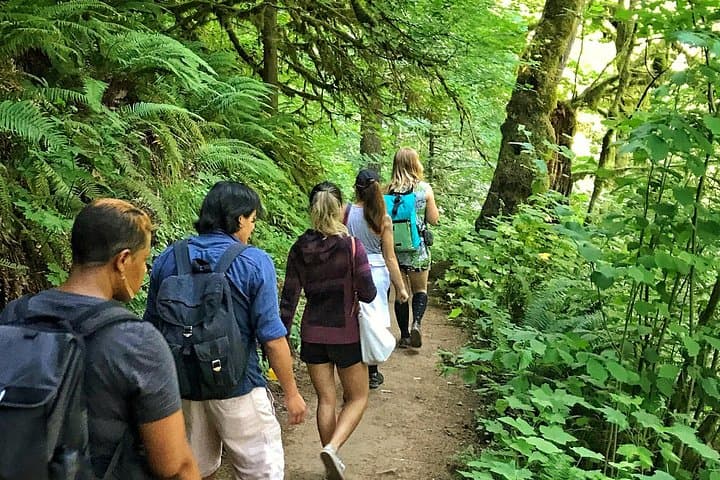
Lose the city for a few hours without leaving it: this 5-mile, 900-foot-gain Forest Park loop threads old-growth pockets, city viewpoints, and cultural landmarks for a compact taste of Portland’s wild side. Expect moss, roots, and stories.