
What the day feels like
You start before the town wakes: a coffee-smudged sky above La Fortuna, a coolness that still clings to the trees. The trailhead slips into primary rainforest, where the path becomes a conversation between your boots and the earth—dry leaves crunch, distant toucans call, and humidity gathers like a promise. This is the rhythm of a day that asks for a little sweat and returns a lot of clarity: an Arenal Volcano hike, a plunge pool at La Fortuna Waterfall, and the slow-lead unwind of mineral hot springs. It’s the kind of itinerary that rewards curiosity as much as effort.
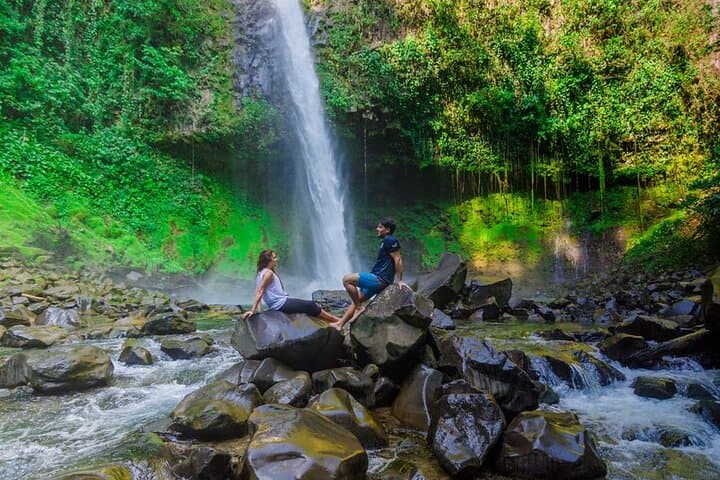
Geology and history are never far from view here. Arenal Volcano, a near-perfect cone that dominated the skyline for decades, loomed active from its catastrophic 1968 reawakening until activity tapered around 2010. You can still see the volcanic scars—lava flows and sharp ridgelines that sculpt the surrounding forest—and the soils are astonishingly fertile, producing the lush green you see from the trail. The waterfall itself cuts through those fine, volcanic soils; La Fortuna Waterfall drops roughly 70–75 meters into a jade pool and throws a constant, cooling spray that feels like nature’s reset button.
The cultural frame of the day is simple and warm. La Fortuna is small but lively: a working town that serves as a launch point for both serious adventure and restorative downtime. Local guides around town — trained in both safety and storytelling — braid environmental context into each step: how the water cycle here feeds distant agricultural valleys, and how community eco-initiatives balance tourism with forest protection. If you want a ready-made introduction, this <a href="https://app.advcollective.com/local-experts/la-fortuna-waterfall-arenal-volcano-hike-natwell-full-day-adventure">Natwell full-day adventure</a> pairs trail time with clear, on-the-ground interpretation and ends with a hot-springs soak you’ll actually appreciate.
The hike itself is straightforward but earned. Expect 5–8 kilometers (3–5 miles) of walking spread across ridges, old lava fields, and forest paths, with roughly 300–500 meters of cumulative elevation change. Terrain varies from packed dirt and tree-root steps on the lower slopes to pumice-strewn sections where volcanic rock interrupts the tread. There are no technical climbs, but the surfaces can be slippery after rain and several steep staircases lead you down to the waterfall pool—prepare your knees for the descent and respect the climb back up. Plan on about 6–8 hours total for the full experience: morning climb, a slow lunch near viewpoints, an afternoon swim below the falls, and an evening soak in a thermal basin.
How to make the day better: start early to avoid the midday heat and afternoon showers, bring plenty of water and a small dry bag for your electronics, and carry a towel and swimsuit for the waterfall and hot springs. Local guides will time the stops to get the best light for photos and the quietest moments at the waterfall; if you want to maximize solitude, book weekdays or the early morning slot.
Practicalities are part of the pleasure. A local guide will handle permits, trail logistics, and safety basics (remember that water levels can rise after storms). Entry fees to La Fortuna Waterfall are typically charged at the trailhead—bring cash in local currency—and most full-day packages include transfer from La Fortuna and the hot-springs soak. The experience is accessible to moderately fit travelers and welcoming to first-time hikers, but expect steady heartbeats and earned smiles.
Packing smart is the low-effort, high-return strategy here: lightweight rain shell, sturdy trail shoes with good grip, reusable water bottle with filtration or purification tablets, insect repellent, and a small first-aid kit. Footwear matters more than ultralight daysacks; grip and ankle support will keep you focused on the view rather than your footing.
Conservation is a quiet subtext to your day. Trails are maintained by a mix of national-park efforts and community stewardship programs, and respectful visitors keep the loop intact by staying on marked paths and packing out trash. After your soak, consider tipping local staff, buying a coffee in La Fortuna, or sampling a casado at a downtown soda to return value directly to the community that hosts visitors.
For photographers and contemplative hikers alike, this itinerary is gratifying. You get the volcano’s broad, geological story; the intimate, up-close drama of a waterfall; and the restorative mood of thermal water: three acts that together make a memorable Costa Rican day. If you want a guided option that stitches these moments together with local knowledge and logistical ease, check out the <a href="https://app.advcollective.com/local-experts/la-fortuna-waterfall-arenal-volcano-hike-natwell-full-day-adventure">Natwell Pack</a> offering that mixes natural-history interpretation, solid timing, and an ending that feels like a reward rather than a chore.
This is a day that makes you work just enough to appreciate ease, and it leaves you with a map of sensations: the cone of Arenal filling the horizon, the spray of cliff water on your shoulders, and the slow, mineral warmth of the pools as the sky softens. It’s the kind of outdoor day that invites you back—not because it’s completed, but because it demands simply that you keep paying attention.
Trail wisdom
Small choices, better day.
Start Early
Begin before 7 a.m. to avoid heat and afternoon rains; morning light is best for views.
Footwear Matters
Wear grippy trail shoes—rocks and roots can be slippery, especially after rain.
Hydrate and Snack
Carry 1–2 liters of water and electrolyte snacks to keep energy steady over 6–8 hours.
Protect Electronics
Use a small dry bag for cameras and phones—waterfall spray and sudden rain are common.
Local knowledge
Read the place, not just the route.
Watch for native species including White-faced capuchin monkey, Keel-billed toucan.
Keep an eye out for wildlife during the transition between areas and habitats. Respect distance guidelines.
Local communities and reserves work to limit trail erosion and manage visitor numbers—stick to marked paths and consider supporting community-run initiatives when possible.
Follow the guide's instructions on size limits, ethical handling, and leave-no-trace practices.
Mirador viewpoints on secondary trails for unobstructed volcano frames. A small riverbank café near town that serves fresh fruit and coffee (ask your guide)
Locally recommended viewpoints and quiet spots known best to local operators.
Arenal’s modern history was reshaped after the 1968 eruption that transformed local livelihoods and created fertile soils that now support diverse agriculture.
Maritime roots and regional tradition shape the waterways and working coasts.
Seasonal guide
Four versions of the same landscape.
Spring
Best forBirdwatching · Lush green trails
ChallengesIntermittent showers · Muddy trail sections
Spring (March–May) keeps the forest vibrant; expect occasional rains that deepen colors but make footing slick.
Summer
Best forLonger daylight hours · Hot springs in the evening
ChallengesPeak rain season brings heavy afternoon storms · higher humidity
Summer months bring dense vegetation and dramatic skies—prepare for afternoon downpours and mosquitos.
Fall
Best forClear volcano views · Fewer crowds
ChallengesVariable weather as dry season begins · cooler mornings
Fall transitions toward the dry period—trail conditions improve and visibility often increases.
Winter
Best forDry trails and sunny views · Easy walking conditions
ChallengesHigher tourist numbers during holidays · hot springs can be busier
Winter (dry season) offers the most reliable weather and the best views of Arenal’s cone.
Operator details
What the booking data adds.
Included
- ✓Lunch
- ✓All Fees and Taxes
- ✓Air-conditioned vehicle
Good to know
- ✓Not recommended for travelers with spinal injuries
- ✓Not recommended for pregnant travelers
- ✓Not recommended for travelers with poor cardiovascular health
- ✓Suitable for all physical fitness levels
Pack with intention
What to bring.
Good to know
Common questions.
Moderate fitness is sufficient—expect 6–8 hours of activity with several stair climbs; regular walkers will be comfortable.
Plan the edges
The details that make the day easier.
Arenal Volcano was one of Costa Rica’s most active volcanoes from 1968 until volcanic activity decreased markedly around 2010.
After the hike, head into downtown La Fortuna for a hearty casado or fresh ceviche at a local soda; grab a cold Costa Rican beer or locally roasted coffee while you swap trail stories with the guide.
- Closest airport
- Juan Santamaría International Airport (SJO); Driving: ~2.5–3 hours to La Fortuna; Trailhead access: usually included in guided transfers from La Fortuna town; Cell service: intermittent on trails; Permits: waterfall and reserve fees typically paid at entry (cash advisable).
This area relies on responsible tourism—stay on marked trails, avoid single-use plastics, and support local guides and community-led conservation projects.
Explore by topic
Follow the threads.
Keep exploring
Make the story part of the trip.
In four hours you can move from shaded canyon ferns to wind-scoured coastal ridgelines, guided by someone who knows where the light—and the hidden views—live. This private half-day hike on the Monterey Peninsula or Big Sur is compact, curated, and perfect for travelers who want depth without a multiday commitment.
 Related story
Beneath a sky of shifting light, Skaftafell’s ice reads like a map of time. This three-hour guided glacier hike mixes technical instruction with geology and culture: compact, safe, and unforgettable.
 Related story
Lose the city for a few hours without leaving it: this 5-mile, 900-foot-gain Forest Park loop threads old-growth pockets, city viewpoints, and cultural landmarks for a compact taste of Portland’s wild side. Expect moss, roots, and stories.