
What the day feels like
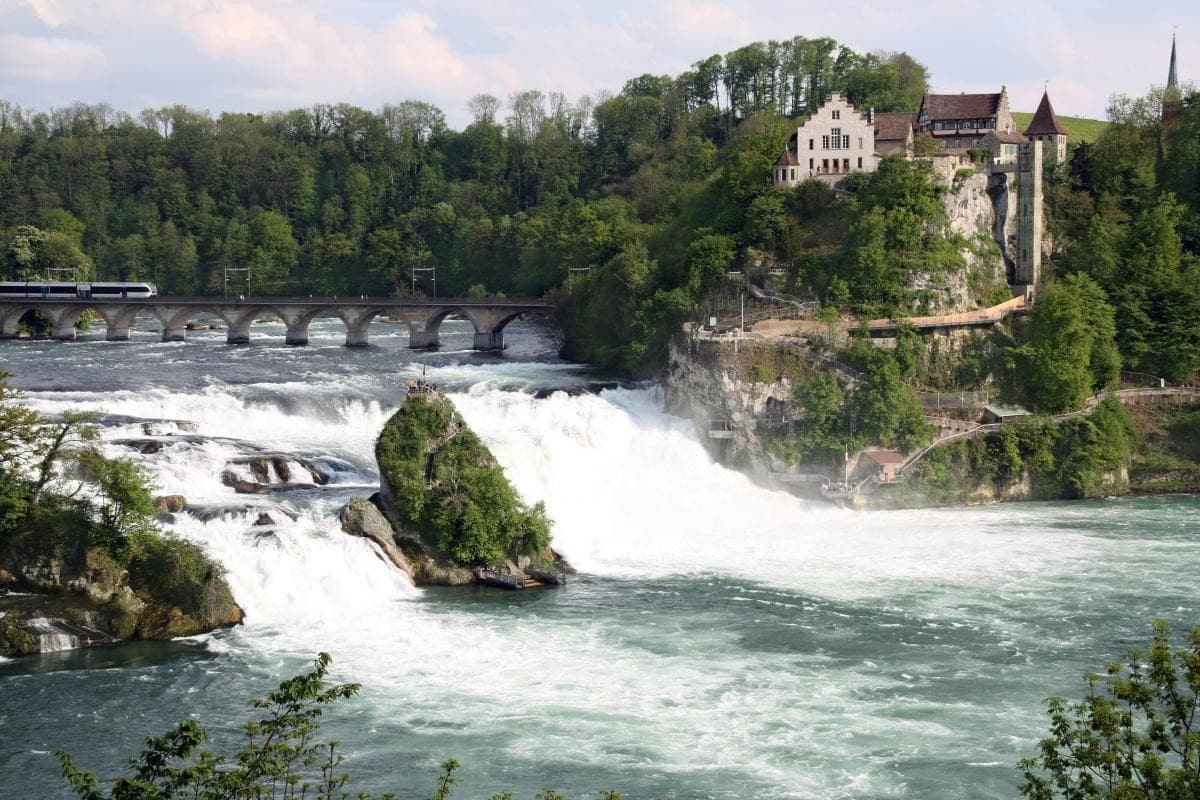
The mist finds you before the falls do. From a shaded path above the river you hear a distant, pregnant thunder that grows with each step; then a blast of cool, mineral-scented air and the Rhine reveals itself—white ribbons of water tearing across a basalt lip, plunging twenty-three meters into a steaming basin. The sound fills your chest like wind in a cathedral. On this rim of rock—at viewing platforms, on castle terraces, and in the small boats that thread toward the spray—it’s easy to feel the river’s intent: to move, to sculpt, to insist.
Rhine Falls (Rheinfall) doesn’t dress itself up with alpine panoramas or a towering single drop. Its magnitude lies in force and scale: roughly 150 meters across and Europe's largest plain waterfall by flow. That steady insistence is the story here—of ice and time that carved a line through hard rock after the last glaciation, of medieval castles that staked claims on vantage points above the torrent, and of towns that learned to live beside the river’s temper. Laufen Castle’s stone terraces crouch over the falls, a human counterpoint to the Rhine’s geological patience; below, the river continues toward Schaffhausen and beyond, indifferent and persistent.
Geologically, the falls are a lesson in resistance. Hard Schaffhausen limestone resists the river’s erosive temper, focusing energy into a concentrated sheet of water that has migrated slowly downstream over millennia. Culturally, the falls have been a magnet for trade, watchmaking settlements—Schaffhausen is home to the town that gave IWC its name—and, more recently, travelers seeking kinetic drama within an hour of Zurich.
The smart traveler balances two impulses here: to stand as close as possible and to keep perspective. Getting close is straightforward. Paths on both riverbanks offer short walks—plan on a 1.5–2 kilometer loop if you want to visit both main viewpoints and the Laufen Castle terraces; expect minimal elevation gains (roughly 30–70 meters depending on how high you climb for the castle view). Stairs and paved promenades make the site accessible but bring waterproof shoes—the platforms are often slick with spray. Boat rides run from short ferry hops to 15–30 minute excursions that put you within yards of the main cascade and, if conditions allow, near the rock island. The boats are optional but transformative: they recalibrate distance and sound, trading the dry perspective of platforms for immersion.
If you’re building a day from Zurich, the logistics are kind. Trains from Zurich HB to Schaffhausen take roughly 40–50 minutes; a local bus or a 10–15 minute walk brings you to the falls. Many guided half-day and full-day options pair Rhine Falls with nearby cultural stops—Laufen Castle’s Historama offers a multimedia history of the falls; Stein am Rhein’s frescoed buildings and cobblestones make for a fairy-tale follow-up; Appenzell and the Chocolarium or Appenzeller Schaukäserei introduce Swiss culinary textures—cheese and chocolate—if you want to make the trip a full sensory day.
Timing matters. Visit early to beat coach crowds—sunrise and the first two hours of the morning deliver softer light for photos and clearer paths. Late afternoon light warms the castle stone and the town façades if you’re pairing Stein am Rhein. Spring—snowmelt season—brings volume and drama to the falls; summer gives more predictable weather for boats. Winter shrinks the crowds and layers the landscape with a brittle hush, though boats may be less reliable.
Practicalities that save time and frustration: carry a light rain shell (you will get splashed), a microfiber to wipe your lens, and shoes with good grip; a small waterproof daypack keeps essentials dry. If you plan to take a boat, bring a secure phone case and expect a few minutes of dampness on lower decks. Follow posted safety signs—some vantage points are sheer and slippery. If you want context, book a guided half-day tour that combines the falls with Schaffhausen or Stein am Rhein; guides condense history and point you to the best photographic angles and lesser-seen views.
For a fuller Swiss day, choose tours that add Laufen Castle’s Historama (a concise, family-friendly multimedia history) or the lakeside charm of Stein am Rhein. Foodwise, local bakeries and riverside cafés deliver simple, solid Swiss fare—cheese tarts, fresh bread, and hot raclette in colder months if you’re on a private tour with an outdoor meal. Sustainability-minded travelers will appreciate that public transport is efficient here; arriving by rail reduces traffic and helps protect riverbank habitats.
Rhine Falls is an honest place: no pretense, just power. There’s a practical etiquette to appreciating it—move deliberately between platforms, respect the ropes, and save the drone flights for designated areas if at all permitted. Walk both banks if you have time; take a short boat if you want the water to remind you, up close, that geological scales are slow but relentless. In the end, the best souvenir is the memory of that sound and the knowledge that, for a few minutes, you let the river press into you—cold, unnegotiable, and somehow, exactly what you needed.
Whether you come for a morning visit, a photographic study, or a culinary-saturated day trip from Zurich, Rhine Falls rewards modest preparation with elemental reward: motion, history, and the kind of landscape that reminds you why travel sometimes starts with following water.
Trail wisdom
Small choices, better day.
Start early
Arrive within the first two hours after opening to avoid coach crowds and get soft morning light for photos.
Bring a rain shell
Spray can soak lower platforms—pack a lightweight waterproof shell to stay dry and comfortable.
Secure your gear for boat rides
Use a waterproof case or dry bag for electronics when boarding a boat close to the falls.
Wear grippy shoes
Viewing platforms and riverside paths are wet and sometimes slick—non-slip footwear reduces risk.
Local knowledge
Read the place, not just the route.
Watch for native species including Common kingfisher, Herons along quieter stretches of the Rhine.
Keep an eye out for wildlife during the transition between areas and habitats. Respect distance guidelines.
Arrive by public transport where possible, stay on marked paths, and follow posted rules—these small actions protect riverbank habitats and reduce visitor impact.
Follow the guide's instructions on size limits, ethical handling, and leave-no-trace practices.
Walk the lesser-used north bank paths for quieter views and different perspectives.. Combine a trip to Stein am Rhein for frescoed houses and a riverside stroll that feels frozen in time.
Locally recommended viewpoints and quiet spots known best to local operators.
Laufen Castle, which overlooks the falls, has guarded this stretch of river for centuries and now houses an exhibition (Historama) that interprets the geological and human history of the falls.
Maritime roots and regional tradition shape the waterways and working coasts.
Seasonal guide
Four versions of the same landscape.
Spring
Best forhigh water flow and dramatic spray · wildflower rims along the riverbanks
Challengescool, changeable weather · higher water levels can limit some boat runs
Snowmelt feeds the Rhine—expect the most powerful flows and dramatic viewpoints; dress in layers and plan for brief rain.
Summer
Best forreliable boat operations · pairing with nearby towns for longer day trips
Challengeshigher tourist numbers · hot afternoons on exposed platforms
Warm weather makes walking and boat rides comfortable—book morning slots to beat crowds and afternoon heat.
Fall
Best forsofter light for photography · quieter paths and crisp air
Challengesshorter daylight hours · cooler water spray making platforms chillier
Autumn tones and fewer visitors make for contemplative visits; bring an insulating layer for breezy viewpoints.
Winter
Best forsnow-dusted vistas and minimal crowds · seeing the river’s raw power in cold clarity
Challengesreduced boat services · icy paths near the water
A quiet, stark experience—boats may be limited, but the frosted contrast makes for striking photos if paths are safe.
Pack with intention
What to bring.
Good to know
Common questions.
Take a direct train from Zurich HB to Schaffhausen (about 40–50 minutes) then a short local bus or 10–15 minute walk to the falls; many day tours provide hotel pickup.
Plan the edges
The details that make the day easier.
Rhine Falls spans about 150 meters in width and plunges approximately 23 meters high, making it the largest plain waterfall in Europe by volume and width.
Pairing the falls with nearby culinary treats defines the local experience—sample Appenzeller cheese or a live outdoor raclette on private tours, or stop at Schaffhausen bakeries for dense, buttery pastries. Stein am Rhein’s frescoed facades provide a cultural counterpoint to the raw river.
- Know-before-you-go
- 40–50 min train from Zurich; 2–4 hour visit recommended; optional 15–30 min boat rides; paved paths and terraces, but wear grippy shoes; public transport recommended to minimize impact.
Use public transport, follow marked trails, avoid disturbing wildlife, and choose guides who practice low-impact boating to help keep the river corridor healthy.
Explore by topic
Follow the threads.
Keep exploring
Make the story part of the trip.
In four hours you can move from shaded canyon ferns to wind-scoured coastal ridgelines, guided by someone who knows where the light—and the hidden views—live. This private half-day hike on the Monterey Peninsula or Big Sur is compact, curated, and perfect for travelers who want depth without a multiday commitment.
 Related story
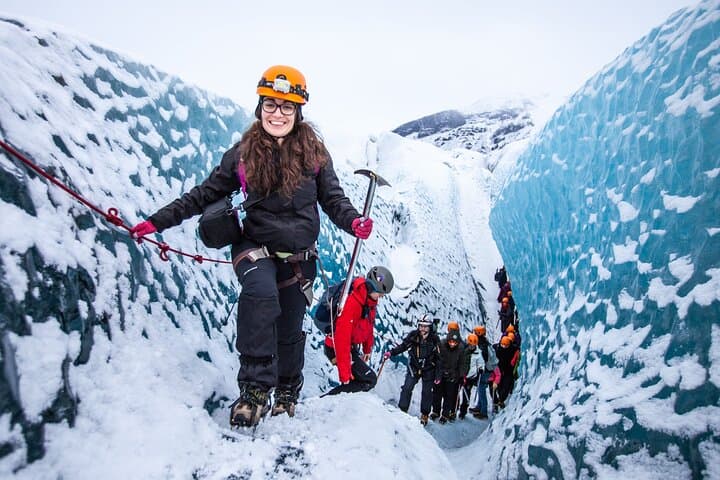
Beneath a sky of shifting light, Skaftafell’s ice reads like a map of time. This three-hour guided glacier hike mixes technical instruction with geology and culture: compact, safe, and unforgettable.
 Related story
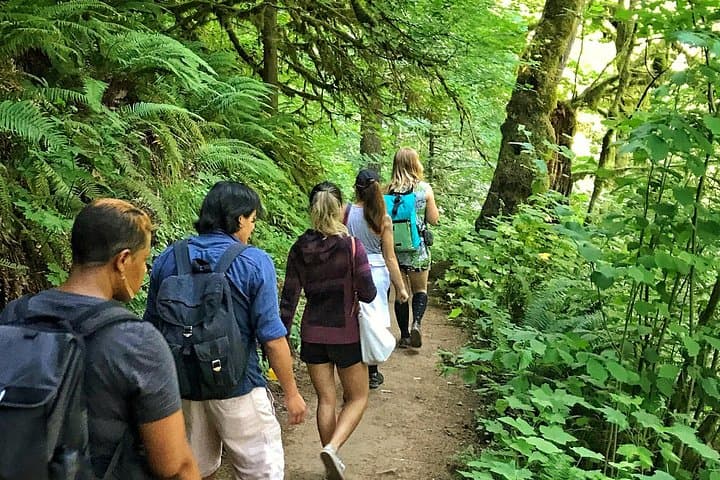
Lose the city for a few hours without leaving it: this 5-mile, 900-foot-gain Forest Park loop threads old-growth pockets, city viewpoints, and cultural landmarks for a compact taste of Portland’s wild side. Expect moss, roots, and stories.