

What the day feels like
The sun leans low over the Atlantic and the park hums with a particular Brazilian impatience—laughter, the hiss of water down flumes, and the occasional call of a bird that seems to approve of the commotion. At Arraial d'Ajuda Eco Park, the day feels like a concentrated version of the coast itself: hot sand, sharp blue sea beyond the treeline, and a built landscape that invites you to move—run, float, plunge—on a loop of adrenaline and ease. You arrive with flip-flops still warm from the praia and leave with the kind of tired that comes from a day well spent between sun and surf.
Perched in the green-edged stretch of Bahia just across the mouth of the Buranhém River from Porto Seguro, Arraial d'Ajuda Eco Park trades the raw remoteness of some Brazilian nature reserves for a more curated communion: shaded promenades, family pools, and a collection of slides and rides that groove with the topography rather than bulldoze it. The park’s design is straightforward—slide, pool, lazy river, slack-cool picnic areas—yet it leans into place-making in ways that matter: native plantings that attract kingfishers and small monkeys, sun-baked cliffs visible in the distance, and a horizon that keeps reminding you this is Atlantic coast country.
Historically the region around Porto Seguro is one of Brazil’s most consequential. It’s where Pedro Álvares Cabral first anchored in 1500, and the coastal culture that followed is a layered mix of Indigenous heritage, Portuguese colonial legacy, and the modern rhythms of tourism. Arraial d’Ajuda itself evolved from a sleepy fishing village into a bohemian enclave in the late 20th century—today it balances nightlife and pousadas with family-friendly attractions like this eco-focused water park. The “eco” in its name is as much an operational stance as it is marketing: vegetation buffers, measures to control runoff, and programming that nods to local ecosystems.
Geologically, this coastline is a mosaic of sandstone cliffs, pocketed beaches, and offshore reefs. Those reefs generate the steady, postcard-blue Atlantic that makes snorkeling and sea-bathing in these parts so compelling; within the park’s immediate footprint, the built water attractions mimic natural flows—channels and cascades that suggest small rivers and tidal movement, so the environment always feels like a conversation partner rather than a prop.
What travelers love here is simple and practical: close proximity to Porto Seguro’s services, a multi-generational crowd that means grandparents and toddlers both have good options, and an afternoon structure that fits neatly into a longer coastal itinerary. It’s a place to decompress between surf sessions on Mucugê Beach and sundowner sessions in Arraial’s Rua do Mucugê, where restaurants light up and the smell of fresh fish and grilled cassava mingles with holiday chatter.
Practicalities first: plan on a half-day to a full day to get the most out of the park. Bring reliable sun protection—Bahia’s sun is energetic—and a waterproof bag for your phone and wallet. Weekends and Brazilian holidays fill up fast; arrive early if you want the quieter, shaded loungers. For families, the park’s shallow pools and gentler slides are a welcome counterpoint to the bigger rides, and lifeguards are posted through high season.
The experience is as much about movement as it is relaxation. Start with a slow lap through the lazy river to acclimatize—let the water push you along—then escalate: a handful of moderate slides, a wave pool run to test balance, and then a cool-down in a shaded hammock under native trees. If you’re into people-watching, pick a vantage with a line of sight to both the food kiosks and the sun-facing pools; you’ll learn local rhythms fast. Staff are accustomed to travelers and will usually exchange quick tips about tides, the best nearby beaches, and where to catch a local bus back to Porto Seguro.
Safety and sustainability matter here. Stick to posted age and height restrictions on rides, hydrate liberally, and respect the park’s recycling and water-conservation efforts—the “eco” part of the park’s identity is not optional. If you want a deeper cultural tie-in, time your visit to coincide with an evening in Arraial where you can follow the day’s water energy into music, local seafood dishes, and a stroll down streets lit by string lights.
This is not a maximalist adventure; it’s a coastal one, calibrated for families and groups who want the rush of rides without sacrificing place. The Atlantic and Bahia’s warm, open-air lifestyle are the star players—this park is a smart, accessible way to experience that energy on a single, sunlit day.
Trail wisdom
Small choices, better day.
Arrive early
Beat the crowds and grab shaded loungers by arriving when the park opens; midday is busiest.
Hydrate and reapply
Bahia’s sun and pool time dehydrate—drink water between rides and reapply sunscreen every 90 minutes.
Use reef or water shoes
Walking surfaces can be hot or slick; lightweight water shoes protect feet and improve traction.
Check ride rules
Follow posted age, height, and safety rules for each attraction; lifeguards enforce them for your safety.
Local knowledge
Read the place, not just the route.
Watch for native species including capuchin monkeys in shaded scrub, green sea turtles offshore (seasonal).
Keep an eye out for wildlife during the transition between areas and habitats. Respect distance guidelines.
The park promotes water-conservation measures and encourages reef-safe sunscreen; visitors are asked to respect plantings and recycling stations to reduce impact.
Follow the guide's instructions on size limits, ethical handling, and leave-no-trace practices.
Rua do Mucugê for evening dining and craft shops. Pitinga Beach cliffs viewpoint for a quieter sunset
Locally recommended viewpoints and quiet spots known best to local operators.
Porto Seguro nearby is known as the site where Portuguese explorers first landed in Brazil in 1500, and Arraial d’Ajuda grew from a fishing village into a cultural hub over the 20th century.
Maritime roots and regional tradition shape the waterways and working coasts.
Seasonal guide
Four versions of the same landscape.
Spring
Best forwarmer dry days · fewer crowds than summer · late-afternoon sunsets
Challengesoccasional rain showers early in season · shorter staffed peak windows
Spring (Sept–Nov) is an excellent balance of warm weather, clearer skies, and manageable visitor levels—ideal for families and photographers.
Summer
Best forfull staff and late hours · school holiday scheduling · high-energy atmosphere
Challengeshigher crowds · hotter temperatures and stronger sun · longer lines on weekends
Summer (Dec–Feb) brings peak crowds and heat; it’s lively and fully operational but arrive early or book tickets in advance.
Fall
Best forcalmer beaches · pleasant water temperatures · off-peak pricing
Challengestransition rains in some years · reduced lifeguard hours on weekdays
Fall (Mar–May) tends toward quieter parks and warm water—good for travelers seeking fewer crowds without sacrificing service.
Winter
Best forlow-season deals · cooler evenings in Arraial town · shorter queues
Challengeswater slightly cooler · some attractions may reduce hours
Winter (Jun–Aug) is milder with fewer visitors; cooler evenings make for comfortable post-park dining in town.
Pack with intention
What to bring.
Good to know
Common questions.
Most visitors spend 3–6 hours—enough time for rides, a lazy river loop, and a relaxed lunch.
Plan the edges
The details that make the day easier.
Porto Seguro—near Arraial d'Ajuda—was one of the first landing points of Portuguese explorers in Brazil in 1500, marking the start of sustained European contact.
Arraial d’Ajuda blends a laid-back Bahian coastal culture with creative gourmets—sample grilled fish, acarajé, and caipirinhas on Rua do Mucugê and look for small artisanal shops selling leatherwork and local cachaça.
Use reef-safe sunscreen, avoid single-use plastics, and follow park recycling stations—small choices here help protect Bahia’s coastal reefs and marine life.
Explore by topic
Follow the threads.
Keep exploring
Make the story part of the trip.
In four hours you can move from shaded canyon ferns to wind-scoured coastal ridgelines, guided by someone who knows where the light—and the hidden views—live. This private half-day hike on the Monterey Peninsula or Big Sur is compact, curated, and perfect for travelers who want depth without a multiday commitment.
 Related story
Beneath a sky of shifting light, Skaftafell’s ice reads like a map of time. This three-hour guided glacier hike mixes technical instruction with geology and culture: compact, safe, and unforgettable.
 Related story
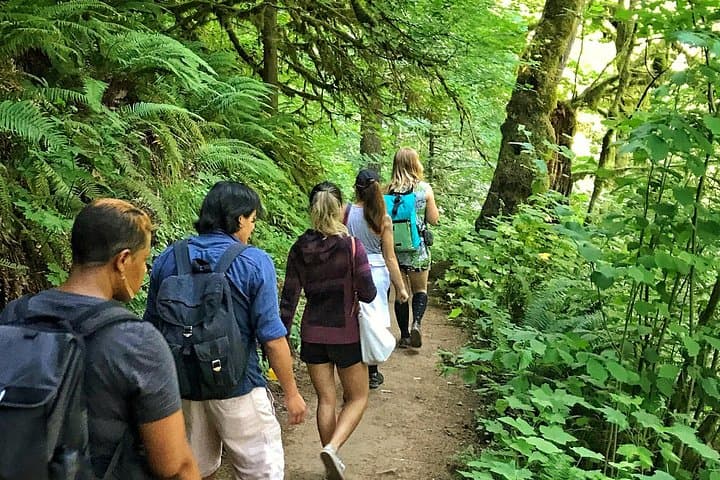
Lose the city for a few hours without leaving it: this 5-mile, 900-foot-gain Forest Park loop threads old-growth pockets, city viewpoints, and cultural landmarks for a compact taste of Portland’s wild side. Expect moss, roots, and stories.