
What the day feels like
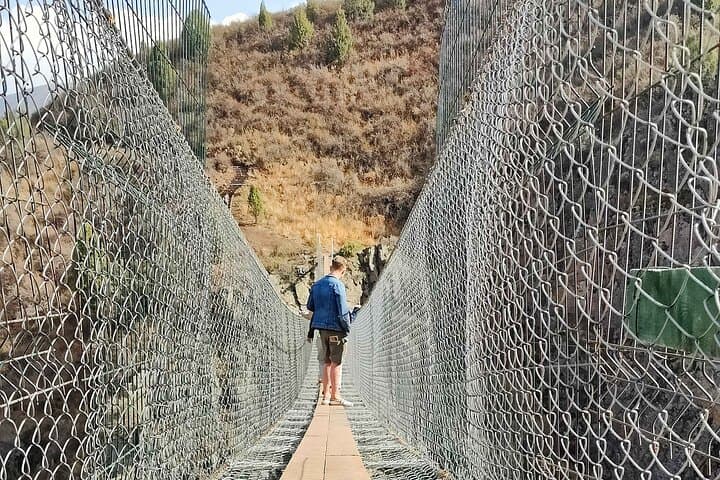
You step out of the minivan and the valley inhales you. The air is thinner than Bishkek’s urban breath, cooler and sharp with pine resin. A ribbon of road threads up into a bowl of rock and forest, and then, around a corner, the gorge opens—water scalloping over stone, cliffs folded like old paper, and a wooden sky bridge stitched across the chasm like a deliberate secret. For one intense day you trade the capital’s grid for a landscape that feels older than borders: this is Issyk Ata and Chunkurchak, a stacked handful of waterfalls, hot springs, and ridgelines whose panoramas reward the short, steady climbs between them. If you want a day that mixes easy hiking, dramatic viewpoints, and a taste of Kyrgyz mountain culture without committing to a multi-day trek, this is it. For planning, book the guided day tour that departs from Bishkek and includes transport, local guiding, and access to the best points in both gorges. The tour balances shuttle time and on-foot time—expect roughly 5–8 hours from departure to return—so you’ll hit waterfalls, the sky bridge, and a thermal pool all in the same day. The walking is deliberate rather than relentless: short uphill spurts, forested switchbacks, and crumbly, rocky approaches that open into broad viewpoints. On-paper stats are simple: plan for 4–7 kilometers of walking and 300–600 meters of cumulative elevation gain, depending on how many lookouts you climb. The geology is obvious. These gorges are cut through Tien Shan foothills, where limestone and metamorphic bands create waterfalls and natural bridges. Chunkurchak’s amphitheaters and Issyk Ata’s thermal springs were shaped by glacial movement and persistent runoff; seasonally swollen streams carve new character into the same rock every year. Historically, the area has long been part of Kyrgyz nomadic life—summer pastures, seasonal herding routes, and, in the Soviet period, spa culture centered around the hot springs. You’ll pass small sanatorium ruins and modern spring-fed pools that reveal that layered history: pastoral, therapeutic, and now increasingly recreational. Cultural beats are compact but noticeable. Locals still bring horses into the valleys in summer; shepherd dogs patrol the meadows and yurt camps serve tea and hearty local fare. Your guide will likely point out the Ala-Too range in the distance and explain how Issyk Ata’s mineral waters were prized in Soviet health programs. For nature lovers, the day is full of micro-encounters: songbirds in the pines, marmots whistling from talus fields, and the possibility of spotting red fox or ibex higher on the ridge. Respecting wildlife here is straightforward—observe from a distance and keep dogs and noise low near grazing areas. Practicalities that make the difference: timing and footwear. Start early—traffic out of Bishkek is manageable before mid-morning, and the best light for the sky bridge and spray-lit waterfalls is late morning through golden hour if you plan for a longer day. Wear sturdy trail shoes; the paths are rarely technical but can be uneven and slick near cascades. Bring 2–3 liters of water, sunscreen, a light waterproof layer, and a small towel if you want to linger in the thermal pools. Photography is rewarding without being technical. Use wide-angle compositions to include the bridge and the gorge rim, and throw a human figure into shots for scale. A polarizing filter helps manage glare on moving water, and a fast shutter will either crisp the foam or blur it into cream for moodier images. Safety and etiquette are simple. The touring company provides a driver and guide, and route markers exist but can be sparse—stick with your guide on any unfamiliar trail. If you visit the hot springs, respect posted rules: many pools are community-run and cleanliness is expected. If the weather turns, trails get slippery quickly; check with your guide about alternatives. For travelers, the day returns you to Bishkek with pockets full of landscape impressions and a clearer sense of Kyrgyz mountain life: mineral water, pastoral slopes, and ridgelines you can stand on to watch clouds slide across peaks. To book a guided day trip that covers the waterfalls, sky bridge, and thermal pools from Bishkek with local expertise, see this guided option that packs the best stops into a single, manageable day: <a href="https://app.advcollective.com/local-experts/issyk-ata-chunkurchak-gorges-day-tour-waterfalls-hot-springs-sky-bridge-from-bishkek">Issyk Ata & Chunkurchak Gorges day tour</a>. Whether you’re a hiker who wants a high-reward day outside town or a traveler assembling a sampler of Kyrgyz nature and culture, this itinerary delivers scenery without sacrifice and context without fluff. Book a slot, lace up, and let the gorges do the rest.
Trail wisdom
Small choices, better day.
Start Early
Depart Bishkek before 8:00 to avoid town traffic and enjoy softer light at viewpoints.
Sturdy Footwear
Wear trail shoes with good tread—approaches to waterfalls and the bridge can be rocky and wet.
Bring Water and Snacks
Carry 2–3 liters and high-energy snacks; services in the gorges are minimal and stops are spread out.
Respect Thermal Pools
If you use hot springs, follow local rules—shower first and avoid soaps to protect the springs.
Local knowledge
Read the place, not just the route.
Watch for native species including Marmot, Red fox.
Keep an eye out for wildlife during the transition between areas and habitats. Respect distance guidelines.
The gorges are popular day destinations; avoid trampling alpine meadows, pack out waste, and respect grazing areas to reduce impact.
Follow the guide's instructions on size limits, ethical handling, and leave-no-trace practices.
A lesser-known viewpoint above Chunkurchak with 360-degree ridgeline views. A small teahouse near the Issyk Ata pools serving local kumis (fermented mare's milk) in summer
Locally recommended viewpoints and quiet spots known best to local operators.
Issyk Ata’s hot springs were developed as Soviet-era sanatoria; remnants of baths and concrete pavilions remain alongside newer communal pools.
Maritime roots and regional tradition shape the waterways and working coasts.
Seasonal guide
Four versions of the same landscape.
Spring
Best forWaterfalls at full flow · Wildflower meadows
ChallengesMuddy trails · Unpredictable snowmelt runoff
Spring brings powerful cascades and blooming meadows, but trails can be muddy and some higher paths remain wet from snowmelt.
Summer
Best forWarm hiking conditions · Access to higher viewpoints · Hot spring soaks
ChallengesOccasional afternoon thunderstorms · More visitors on weekends
Summer is the most reliable season for clear skies and warm temperatures—ideal for combining ridge views and a dip in thermal pools.
Fall
Best forCrisp mountain air · Autumn colors
ChallengesCooler mornings · Shorter daylight hours
Fall delivers golden slopes and fewer crowds; be prepared for colder mornings and rapidly changing weather.
Winter
Best forSnow-blanketed scenery · Fewer visitors
ChallengesRoad closures · Icy trails and limited access to some viewpoints
Winter offers stark, beautiful landscapes but limited access—only attempt with a local operator and appropriate gear.
Operator details
What the booking data adds.
Included
- ✓Private transportation
- ✓boteled water
- ✓Personal guide
- ✓entrance fee to sky brige
- ✓Air-conditioned vehicle
Not included
- —Lunch
Good to know
- ✓Specialized infant seats are available
- ✓Suitable for all physical fitness levels
Pack with intention
What to bring.
Good to know
Common questions.
Expect 5–8 hours total including travel time; exact length depends on stops and how long you linger at each site.
Plan the edges
The details that make the day easier.
Issyk Ata means 'warm father' in Kyrgyz and the area has been used for its thermal springs since at least the 19th century; Soviet-era sanatoria expanded the site in the 20th century.
After the hike, head back to Bishkek for plov or beshbarmak at a local chaikhana, or if staying near the gorges, try a teahouse serving homemade bread and kumis; local guides often know where to sample authentic Kyrgyz dairy dishes.
- Closest airport
- Manas International Airport (Bishkek). Typical driving time from Bishkek: 1–1.5 hours each way. Cell service: intermittent in gorges. Permits: none required for day visits.
These gorges are fragile alpine environments—pack out all trash, avoid stepping on fragile meadow vegetation, and use established paths to minimize erosion.
Explore by topic
Follow the threads.
Keep exploring
Make the story part of the trip.
In four hours you can move from shaded canyon ferns to wind-scoured coastal ridgelines, guided by someone who knows where the light—and the hidden views—live. This private half-day hike on the Monterey Peninsula or Big Sur is compact, curated, and perfect for travelers who want depth without a multiday commitment.
 Related story
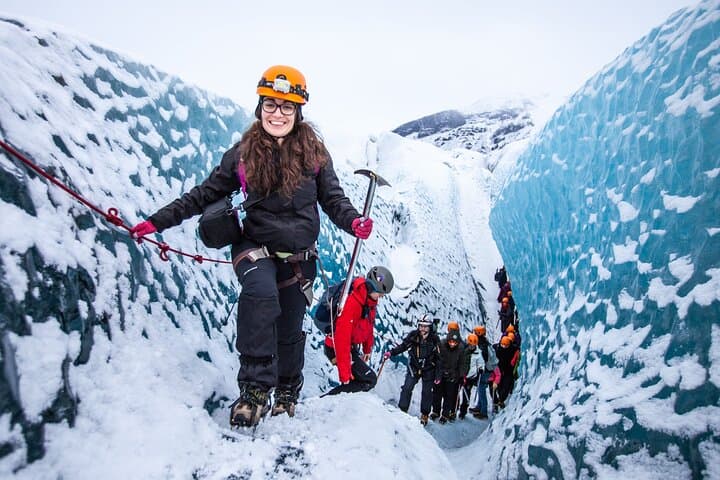
Beneath a sky of shifting light, Skaftafell’s ice reads like a map of time. This three-hour guided glacier hike mixes technical instruction with geology and culture: compact, safe, and unforgettable.
 Related story
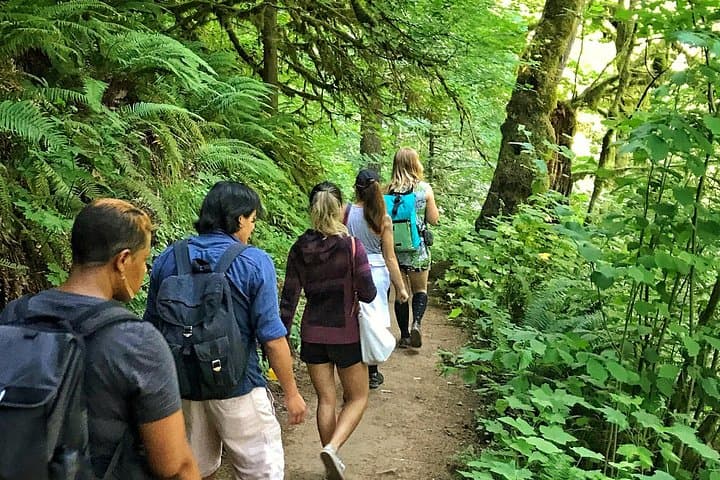
Lose the city for a few hours without leaving it: this 5-mile, 900-foot-gain Forest Park loop threads old-growth pockets, city viewpoints, and cultural landmarks for a compact taste of Portland’s wild side. Expect moss, roots, and stories.