

What the day feels like
The sea at Caleta Beach arrives like a thoughtful neighbor — patient, unhurried, and generous with its light. Stand where the sand narrows into limestone flats and you feel the coast setting a slow tempo: lazy little waves fold over the shoreline, the breeze tugs at stray hair and shirt hems, and a cluster of fishing boats rocks gently a few hundred meters offshore. At Caleta Beach (Playa Caleta), minutes feel like they stretch, which is exactly why travelers come here to slow down, walk the sand, and let La Romana’s softer side do the talking.
Caleta sits on the southern edge of La Romana province, a pocket of shoreline more intimate than the resort-heavy beaches nearby. The town of La Romana grew in the 20th century around sugar mills and the international sugar trade; today the region blends that industrial past with quiet fishing communities, pastel houses, and tourist amenities that keep the pace congenial rather than frenetic. Geologically, the shore is limestone and coral-based — pockets of reef and outcrops give way to narrow, sandy fingers. Those features make Caleta great for both modest beach strolls and photography: rock textures meet shifting light and shallow water reflections that photographers prize.
Locals still fish these waters and small boats slide in and out of coves at dawn and dusk. In nearby Bayahibe and the greater La Romana region, you’ll hear merengue on roadside speakers, smell fresh seafood cooking, and encounter Dominican hospitality that is both direct and warm. Cultural touchstones are never far: Altos de Chavón — the 16th-century–style artisan village built as a cultural center — sits just a short drive inland and offers a reminder of the area’s creative energy.
For travelers, Caleta is an understated alternative to busier Caribbean stretches: it’s a place for a slow walk, a quick dip, and, increasingly, for thoughtfully staged photography. The one bookable experience tied to the beach is a Private Photo Session with a Local Photographer in La Romana. It’s the sort of offering that matches Caleta’s scale; rather than being swallowed by a tourist crowd, you get a personal portrait of the place — and yourself within it.
Why choose a private session here? First, the lighting is forgiving: mornings and late afternoons offer soft, warm tones that flatter faces and clothing. Second, the shoreline’s accessible mix of sand, rock, and shallow water gives a variety of backdrops within a short walk. A local photographer knows the best angles — where the limestone reflects light, which tide pools catch the sunset colors, when fishing boats drift into a sympathetic frame. For couples, families, and solo travelers who want more than phone snapshots, the session turns a simple beach afternoon into a curated set of images that feel both genuine and cinematic.
Practical stuff matters here. Caleta’s shore is informal: there are no extensive amenities, only small local vendors and the occasional shaded spot. Wear sturdy sandals for rocky stretches, and bring water and sun protection. If your photo session is booked around golden hour, allow extra time for transit: La Romana’s traffic is modest but punctuality matters when you’re chasing light.
The photographer service typically supplies local knowledge — suggestions for outfits that pop against sand and water, and pose ideas that feel natural. Communicate your priorities: family candids, romantic portraits, or solo lifestyle shots. If you want the sea as a quiet backdrop, plan around the tide; if you want more dramatic rock and water interaction, photographers often shoot near low tide when textures are exposed.
Beyond images, Caleta rewards simple curiosities. Walk a short distance and you’ll meet fishermen who will gladly point out where lobsters and snapper hide. Venture inland and you’ll find the artisan shops of Altos de Chavón and the rum and cigar culture that shapes Dominican social life. Eat where locals eat: fresh fish plates with rice, plantains, and salad are the kind of meals that taste like place.
If you go, leave the place as you found it. The reef and shoreline are resilient but vulnerable. Keep sunscreen reef-safe, avoid standing on coral formations, and pack out what you bring in. A private photo session can be a light, low-footprint way to experience Caleta; it’s personalized, often short, and anchored in the coast’s natural rhythm.
At Caleta Beach, the adventure is quiet but clear: it’s the satisfaction of a well-caught frame, the feeling of sand cooling beneath your feet as the sun dips, and the knowledge that memory — captured by a local eye — will travel home with you. Whether you want portraits for a honeymoon album or a relaxed family shoot with ocean light, Caleta’s shore is worth the quiet attention. It doesn’t need to shout to be unforgettable.
Trail wisdom
Small choices, better day.
Chase golden hour
Plan your photo session for early morning or late afternoon when the light is warm and shadows are soft—ideal for flattering portraits.
Bring reef-safe sunscreen
The coastline includes coral and shallow reef—use reef-friendly sunscreen to protect marine life.
Shoes for rock and sand
Wear sturdy sandals or water shoes for walking across limestone flats and tide pools.
Coordinate outfits with your photographer
Choose colors that contrast with sand and water and ask the photographer for advice on patterns and accessories.
Local knowledge
Read the place, not just the route.
Watch for native species including brown pelican, small reef fish near tide pools.
Keep an eye out for wildlife during the transition between areas and habitats. Respect distance guidelines.
Local initiatives encourage reef-safe sunscreen, responsible anchoring, and limiting beach litter to protect nearshore coral and fisheries.
Follow the guide's instructions on size limits, ethical handling, and leave-no-trace practices.
Short walk to small rocky coves that catch dramatic reflections at low tide. Nearby artisan shops in Altos de Chavón for handcrafted backdrops and cultural portraits
Locally recommended viewpoints and quiet spots known best to local operators.
La Romana grew around sugar production and the Central Romana sugar company; Altos de Chavón was developed in the 1970s as a cultural and artisan village.
Maritime roots and regional tradition shape the waterways and working coasts.
Seasonal guide
Four versions of the same landscape.
Spring
Best forcalmer seas · family sessions · wildflower-framed shots
Challengesoccasional showers · variable humidity
Spring brings mild temperatures and fewer tourists; expect occasional brief rain and lush coastal vegetation.
Summer
Best forvibrant sunsets · long daylight hours · beach strolls
Challengeshot afternoons · higher humidity · occasional storms in late summer
Summer delivers strong light and vibrant colors—schedule sessions around dawn or dusk to avoid harsh midday sun.
Fall
Best forlower crowds · clear afternoons · warm water
Challengeshurricane season peaks early fall · more unpredictable weather
Early fall can be beautiful but carries hurricane risk; book with flexible timing and travel insurance.
Winter
Best fordry weather · crisp light · comfortable evenings
Challengeshigher tourist numbers in peak holidays · cooler nights
Winter (Dec–Feb) is the driest, most stable time to visit with excellent photographic light and comfortable temperatures.
Pack with intention
What to bring.
Good to know
Common questions.
Yes—Caleta is a public shoreline with informal access; parking and facilities are limited, so plan accordingly.
Plan the edges
The details that make the day easier.
Altos de Chavón, a recreated 16th-century Mediterranean village near La Romana, was built in the 1970s and is a major cultural landmark for the area.
Eat like a local: try freshly grilled snapper or conch with tostones and moro de guandules; expect merengue and bachata rhythms in neighborhood eateries and occasional artisan markets for hand-carved souvenirs.
- Location
- Caleta Beach, La Romana. Best time: sunrise or sunset. Facilities: minimal. Booking: private photographer recommended. Transportation: car or taxi from La Romana; allow 15–30 minutes from main hotels.
Choose reef-safe sunscreen, avoid standing on coral, and support local businesses for meals and crafts to keep tourism benefits local and low-impact.
Explore by topic
Follow the threads.
Keep exploring
Make the story part of the trip.
In four hours you can move from shaded canyon ferns to wind-scoured coastal ridgelines, guided by someone who knows where the light—and the hidden views—live. This private half-day hike on the Monterey Peninsula or Big Sur is compact, curated, and perfect for travelers who want depth without a multiday commitment.
 Related story
Beneath a sky of shifting light, Skaftafell’s ice reads like a map of time. This three-hour guided glacier hike mixes technical instruction with geology and culture: compact, safe, and unforgettable.
 Related story
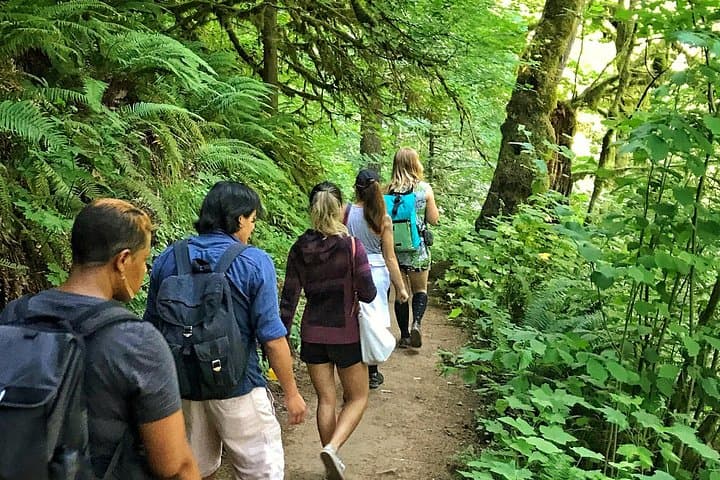
Lose the city for a few hours without leaving it: this 5-mile, 900-foot-gain Forest Park loop threads old-growth pockets, city viewpoints, and cultural landmarks for a compact taste of Portland’s wild side. Expect moss, roots, and stories.