

What the day feels like
You arrive at Praia das Sete Ondas on a humid morning when the island’s light leans toward gold. The beach is a shallow crescent of coarse sand and black volcanic rock, and the surf keeps time like a metronome: seven clean, repeating sets that roll in, break, and peel back with a measured insistence. Coconut palms arc overhead, their fronds whispering in a breeze that smells faintly of salt and cocoa. Local children kick a ball along the shoreline; a fisherman mends nets in the shade. It’s the kind of place that slows you down whether you planned to or not.
Praia das Sete Ondas translates simply—Seven Waves—but the name is less a literal count than a promise: a beach that moves, sculpts, and invites contact. It sits on São Tomé Island’s southern edge, where the Atlantic meets a coastline shaped by volcanic bones and lush, lowland rainforest. The dark rocks that punctuate the sand are finger-like outcrops of basalt, evidence of an island born from deep earth fire. Tides cut tidepools into those rocks; at low water you can step from one to another and study tiny ecosystems of blennies, hermit crabs and fingered sea anemones.
The human story here is stitched to the island’s broader history. São Tomé was uninhabited before Portuguese sailors dropped anchor in the late 15th century. Over the following centuries, colonial plantations—roças—would transform the land into one of the world’s richest cocoa producers. The cocoa farms and the Portuguese creole culture they created still shape daily life: the language you’ll hear is often Portuguese or Forro, the food leans on fresh fish and spicy parties of palm oil, and the local economy still turns on cocoa’s slow, chocolate-sweet currency.
But Sete Ondas is not a plantation beach. It’s a place of transition: reef to open ocean, village life to wilderness. For the traveler, that makes it ideally suited to two complementary approaches: easy, immersive beach days and guided, exploratory trips that use the beach as a launching point into the island’s south. Local operators—bookable through offerings like South Rote São Tomé tours, full-day 4x4 trips, and island-hopping experiences—combine beach stops with cascades, rainforest walks, and visits to cocoa groves. The standard rhythm is relaxed: a few hours of coastal exploration, a lunch of grilled fish and banana fritters beside the water, then inland to a waterfall or a roça.
The geology keeps the activity honest. Where sand gives way to rock, you’ll trade barefoot strolling for stable shoes. Where waves break, currents can be playful or testing; local guides know the safe pockets for swimming and snorkeling and will point out tidal pools that protect young swimmers. Snorkeling near the headlands can be rewarding—coral fingers and reef fish gather in the quieter coves—while certain stretches of surf are better watched from shore.
Practical planning is refreshingly straightforward. Praia das Sete Ondas is accessible as part of southern São Tomé day tours that run from the capital, São Tomé town; expect a 1–2 hour transfer depending on route and traffic if you book a full-day excursion. Many operators run 4x4 loops that combine Sete Ondas with other highlights: deserted beaches, rock-bound viewpoints, and short rainforest hikes. If you prefer self-guided time, bring footwear that grips on wet rock, reef-safe sun protection, and a lightweight long-sleeve for shade. Water, always. The heat climbs quickly and the island’s humidity makes hydration non-negotiable.
Safety and etiquette matter. The island is friendly but remote: medical facilities are concentrated in the capital, so carry a basic kit and let someone know your plans if you head out without a guide. Respect fishing nets and local movement; many beaches double as daily-workplaces for fishermen and shrimpers. And when snorkeling, avoid touching coral—much of São Tomé’s shallow reef is delicate and regenerates slowly.
For photographers, Sete Ondas offers a pleasing variety: textured foregounds of black rock and sand, tidal pools for macro shots, and long-line wave sets for motion studies. The best light is low—early morning and the hour before sunset—when the waves take on a softer profile and palm silhouettes snap against the sky.
If you want structure, book a southern loop with a reputable local operator. Tours like the South Rote São Tomé and the full-day 4x4 runs deliver access and context: guides point out endemic birds, explain cocoa-processing at small roças, and show hidden waterfall pools where you can cool down after a day in the sun. If your trip aligns with a cruise port stop, shorter ship-friendly itineraries deliver the island’s highlights with efficient timing.
Praia das Sete Ondas rewards a slow eye: watch for the patterns in the surf, the choreography of fishermen and children, the tiny life in tide pools. It’s an accessible beach for a wide range of travelers—families, photographers, snorkelers who prefer calm coves, and anyone who wants a compact slice of São Tomé’s coastline. Come prepared, bring curiosity, and leave time to sit under a palm and count the waves.
Practical snapshot: expect minimal elevation changes, a short coastal walkable arc (under 2 km for most beach exploration), and variable surf conditions. Best times are during the island’s drier months when roads are easier and visibility for snorkeling improves. Local guides are worth the cost: they provide safety, local knowledge, and an introduction to the cultural textures that make São Tomé more than a postcard.
Trail wisdom
Small choices, better day.
Go with a local 4x4 for full-day access
Many of the island’s best stops are connected by rough coastal roads—book a full-day 4x4 tour to reach Sete Ondas plus nearby waterfalls and roças.
Check tide times before snorkeling
Low tide exposes pools and safe snorkel coves; high tide brings stronger currents—ask your guide for the safest windows.
Wear reef-friendly sun protection
Use mineral-based sunscreen to protect delicate reef life and avoid lotions that wash into tidal pools.
Bring a small first-aid kit
Basic supplies for cuts or scrapes are useful—rocky shorelines and coral can nick skin easily.
Local knowledge
Read the place, not just the route.
Watch for native species including green sea turtle (occasional offshore sightings), shorebirds like sandpipers and herons.
Keep an eye out for wildlife during the transition between areas and habitats. Respect distance guidelines.
Local operators emphasize reef-friendly practices—limit sunscreen runoff, avoid stepping on coral, and support small community guides to keep tourism sustainable.
Follow the guide's instructions on size limits, ethical handling, and leave-no-trace practices.
A small tidal pool near the eastern headland ideal for child-friendly snorkeling. A nearby roça where small-scale cocoa processing demonstrations are sometimes offered
Locally recommended viewpoints and quiet spots known best to local operators.
The island’s coastal settlements grew alongside Portuguese roças; cocoa plantations shaped local culture and cuisine.
Maritime roots and regional tradition shape the waterways and working coasts.
Seasonal guide
Four versions of the same landscape.
Spring
Best forwildflower displays · calmer seas some days
Challengesintermittent rains · muddy backroads
Spring can be green and lush with occasional showers; check road conditions for 4x4 transfers.
Summer
Best fordrier roads · better snorkeling visibility
Challengesequatorial heat · crowds at popular stops
The core dry months (roughly July–September) offer the clearest water and easier land travel—heat and humidity are highest mid-day.
Fall
Best forfewer tourists · lively bird activity
Challengesshort rainy spells · rougher seas some days
Fall balances quieter beaches with occasional rains; boat and snorkeling conditions can be variable.
Winter
Best fordramatic skies · local festivals occasionally
Challengesshort wet spells · reduced road accessibility after heavy rain
Winter brings intermittent showers; check with guides for access as inland tracks can become muddy.
Pack with intention
What to bring.
Good to know
Common questions.
Most travelers join a south-coast tour or hire a 4x4 from São Tomé; transfer time is typically 1–2 hours depending on stops and road conditions.
Plan the edges
The details that make the day easier.
São Tomé and Príncipe was once one of the world’s largest cocoa producers in the early 20th century; many small roças on the island still produce specialty cacao today.
Expect grilled fish, banana-based sides and palm-oil stews at local stops; Portuguese and Forro cultural threads run through music and market life—try a cocoa tasting at a small roça.
- Access
- 1–2 hour drive from São Tomé town by 4x4; Facilities: minimal; Guides: recommended; Best for: snorkeling, tidepooling, coastal loops; Cash: bring small denomination escudos or Euros for vendors.
Choose operators who practice reef-safe policies, hire local guides, and limit group sizes to reduce impact on sensitive tidal pools and coastal ecosystems.
Explore by topic
Follow the threads.
Keep exploring
Make the story part of the trip.
In four hours you can move from shaded canyon ferns to wind-scoured coastal ridgelines, guided by someone who knows where the light—and the hidden views—live. This private half-day hike on the Monterey Peninsula or Big Sur is compact, curated, and perfect for travelers who want depth without a multiday commitment.
 Related story
Beneath a sky of shifting light, Skaftafell’s ice reads like a map of time. This three-hour guided glacier hike mixes technical instruction with geology and culture: compact, safe, and unforgettable.
 Related story
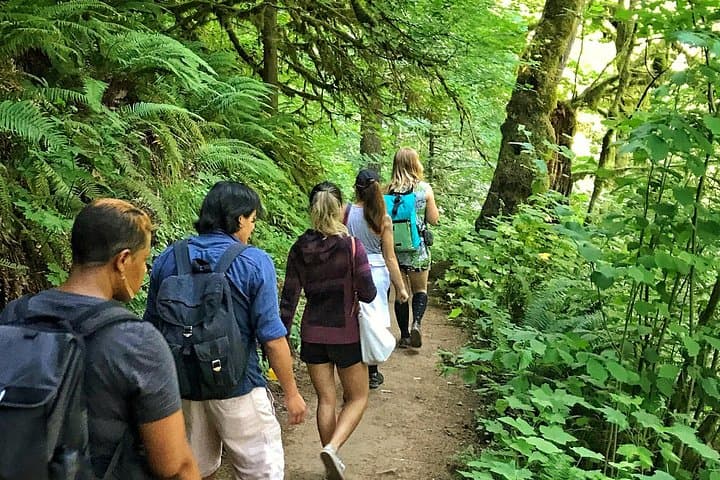
Lose the city for a few hours without leaving it: this 5-mile, 900-foot-gain Forest Park loop threads old-growth pockets, city viewpoints, and cultural landmarks for a compact taste of Portland’s wild side. Expect moss, roots, and stories.