

What the day feels like
The road doesn’t so much climb as it unfolds. Wake before dawn in San Martín de los Andes and the light is already busy at the edges of Lácar Lake, sketching a thin silver rim along the shoreline. Drive a few minutes and the town slips behind you; the asphalt becomes a ribbon threaded between ancient coihue and lenga forests. At each curve, a different element asserts itself: a lake that holds the mountains like a photograph, a river that dares you to lean over and listen, or a stony steppe where wind-carved boulders look like startled animals.
Ruta de los Siete Lagos — the Seven Lakes Road — is less a single destination than a compact orchestra of Patagonian landscapes. The classic drive links San Martín de los Andes with Villa La Angostura and ultimately Bariloche, threading through Nahuel Huapi and Lanín National Parks. In just over 100 kilometers you pass seven named lakes — Correntoso, Espejo, Escondido, Villarino, Falkner, Hermoso, and Machónico — each with a distinct color and temperament. Some are mirror-flat in the morning, others pale and glacial; all are framed by dense forest or volcanic shoulders that speak to a restless geological history.
Geology here is readable in daylight: Andean uplift and ancient lava flows mingle with the huge grocery list of glacial activity. The lakes are carved basins, scoured and deepened by ice; the surrounding moraines and erratics are the fingerprints of an ice age that still seems fresh to the eye. Cultural layers pile on top of that: Mapuche presence has long defined this land, and early 20th-century settlers, loggers, and the founders of Nahuel Huapi National Park have left their mark in small mountain villages and park stations.
For travelers, Seven Lakes Road is adaptable. You can treat it as a one-day anthem — hop on a guided minivan or coach from Bariloche and stretch out across the circuit with a bilingual guide, as offered in full-day Circuito Grande or the Bariloche–San Martín transfers. Those tours are practical: they manage a scenic pace, include insights into the area’s natural history, and often leave a block of time in San Martín for wandering past craft shops and chocolate cafes. Or you can move slowly: a multi-day San Martín itinerary lets you sleep beside Lácar Lake, hike in Lanín National Park to view snow-capped volcanoes, or take a half-day fly-fishing initiation in Villa La Angostura to try your hand at catching trout in a mountain river.
This land wears its hospitality casually. Villa La Angostura feels like a postcard village with timber chalets and chimneys breathing slow smoke. San Martín de los Andes sits on Lácar’s shores with a compact, walkable center — a good base for fishing, mountain-biking, or an evening of lamb and local craft beers. Food here is earnest: Patagonian lamb, freshwater trout, and the chocolate for which Bariloche is famous. Locals talk shop about weather the way sailors talk tides — this place changes outfits fast.
Practicalities matter. The full-route drive is roughly 100–120 kilometers one-way depending on start and detours; guided day tours often list a 10-hour duration and include stops in Villa La Angostura and viewpoints along the lakes. The road is mostly paved but can be narrow and sinuous; winter brings snow and ice, and some viewpoints have short gravel spurs where sneakers will do but hiking shoes are better. If you’re driving, allow time to stop — viewpoints, short hikes, and lakeside picnics are the point. If you prefer to hand over navigation, a coach tour earns its keep: guides add context to rock formations, the Amphitheater near Rincon Grande, and the names of the lakes.
Season-wise, summer (December–March) is the running bet: long daylight, warm midday temps, and calm water ideal for reflections. Shoulder seasons are dramatic — crisp air and fewer crowds in fall, spectacular light and migrating mixes in spring — but weather can switch, so pack layers. Winter closes some secondary roads and turns the circuit into a snow-country spectacle best enjoyed with a local operator and winter-ready transport.
Safety and stewardship are simple rules. Respect park boundaries, avoid shortcuts across fragile shoreline vegetation, and carry out what you carry in. Wildlife sightings — condors drifting on thermals, huemul or introduced red deer at dawn, and otters slipping along stream banks — are more likely if you move quietly and give the forests their space.
If you’re planning a day: aim for an early departure, bring a thermos and snacks, and keep your camera ready. If you book a full tour from Bariloche, expect several hours in San Martín to browse local stores or to grab a lakeside lunch. For a deeper taste, choose a three- to four-day package that pairs the route with Lanín National Park, lake kayaking, or a guided fly-fishing session — a practical and quiet way to learn a new skill amid the noise-free landscapes.
The Seven Lakes Road is not a single photograph but a sequence that rewards attention. Move slowly and let the lakes change their faces. Drink water, peel on layers, and leave room in your schedule for a quiet bench by the water. Patagonia’s landscapes here are patient; they will show up for you if you do the same.
Trail wisdom
Small choices, better day.
Start at first light
Morning light calms the lakes and multiplies reflections—depart early to get quiet viewpoints and better photos.
Dress in layers
Weather shifts quickly; pack a windproof layer and insulating mid-layer for lakeside stops.
Carry snacks and water
Services are sparse between towns—bring water, high-energy snacks, and a thermos for long days.
Respect park limits
Stick to trails and boat ramps; shoreline vegetation is fragile and regenerates slowly.
Local knowledge
Read the place, not just the route.
Watch for native species including Andean condor, Southern river otter (huillín).
Keep an eye out for wildlife during the transition between areas and habitats. Respect distance guidelines.
Much of the corridor lies within Nahuel Huapi and Lanín National Parks—stay on designated roads and trails, dispose of waste properly, and support local guides who follow park rules.
Follow the guide's instructions on size limits, ethical handling, and leave-no-trace practices.
Trail to Correntoso River mouth for quiet reflections and trout viewing. Small viewpoints near Rincon Grande with sculptural boulders and fewer visitors
Locally recommended viewpoints and quiet spots known best to local operators.
The route passes through lands historically used by Mapuche communities and later became key to national park development in the early 20th century.
Maritime roots and regional tradition shape the waterways and working coasts.
Seasonal guide
Four versions of the same landscape.
Spring
Best forwildflower spotting · watching migratory birds · fewer crowds
Challengesvariable weather · late snow patches
Spring thaws open trails and brings floral color, but expect changing conditions and carry layers.
Summer
Best forlake reflections · hiking and kayaking · long daylight
Challengeshigher visitor numbers · strong sun
Warm days and calm water make summer ideal for driving, hiking, and water activities—book ahead.
Fall
Best forautumn color · crisp photography · quiet trails
Challengescooler temperatures · shorter daylight
Fall delivers dramatic light and color with fewer people; nights get cold and weather can be brisk.
Winter
Best forsnow-covered scenery · winter photography · quiet solitude
Challengesroad closures · snow and ice
Winter scenes can be spectacular but some roads close; travel with a local operator and proper gear.
Pack with intention
What to bring.
Good to know
Common questions.
A one-way drive between Bariloche and San Martín de los Andes via the Seven Lakes takes roughly 4–5 hours without extended stops; guided day tours typically run 8–10 hours with photo breaks and a lunch stop.
Plan the edges
The details that make the day easier.
Ruta de los Siete Lagos traverses sections of both Nahuel Huapi and Lanín National Parks and links the lakes that were shaped by glacial activity during the last ice age.
Patagonian cuisine centers on grilled lamb and freshwater trout; chocolate shops in Bariloche and craft markets in San Martín complement long days outdoors. Mapuche cultural centers around the lakes offer insights and locally made textiles.
- Distance
- ~100–120 km one-way; Best base towns: San Martín de los Andes or Bariloche; Typical tour length: 8–10 hours; Bring layers and water.
Choose certified local guides, avoid single-use plastics, stay on marked roads and trails, and respect wildlife distances to help protect fragile shoreline and forest ecosystems.
Explore by topic
Follow the threads.
Keep exploring
Make the story part of the trip.
In four hours you can move from shaded canyon ferns to wind-scoured coastal ridgelines, guided by someone who knows where the light—and the hidden views—live. This private half-day hike on the Monterey Peninsula or Big Sur is compact, curated, and perfect for travelers who want depth without a multiday commitment.
 Related story
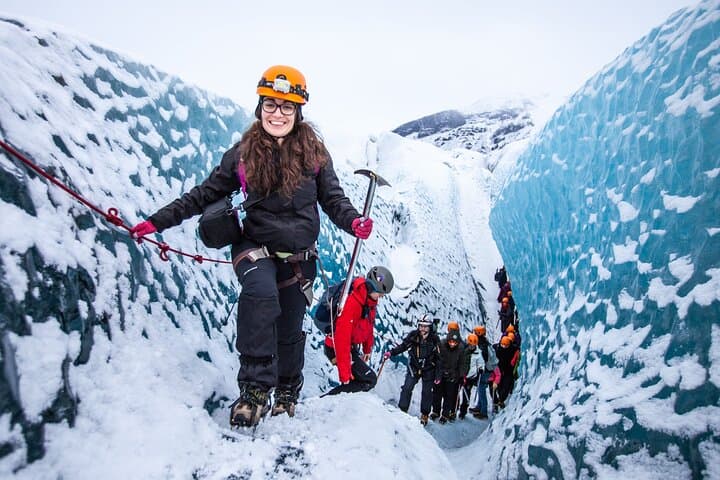
Beneath a sky of shifting light, Skaftafell’s ice reads like a map of time. This three-hour guided glacier hike mixes technical instruction with geology and culture: compact, safe, and unforgettable.
 Related story
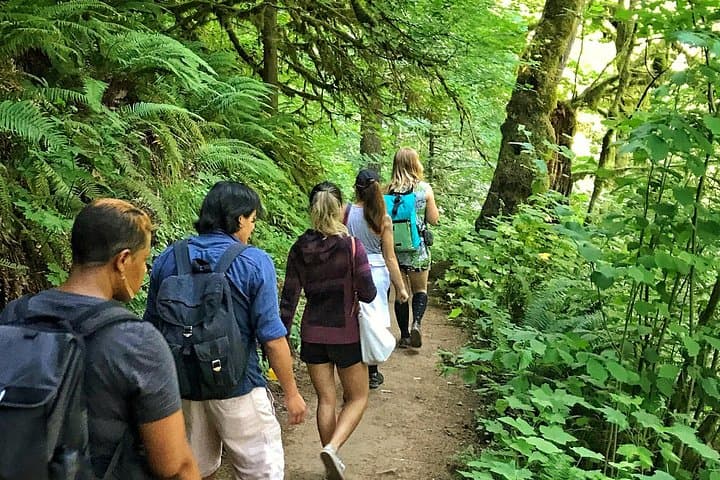
Lose the city for a few hours without leaving it: this 5-mile, 900-foot-gain Forest Park loop threads old-growth pockets, city viewpoints, and cultural landmarks for a compact taste of Portland’s wild side. Expect moss, roots, and stories.