
What the day feels like
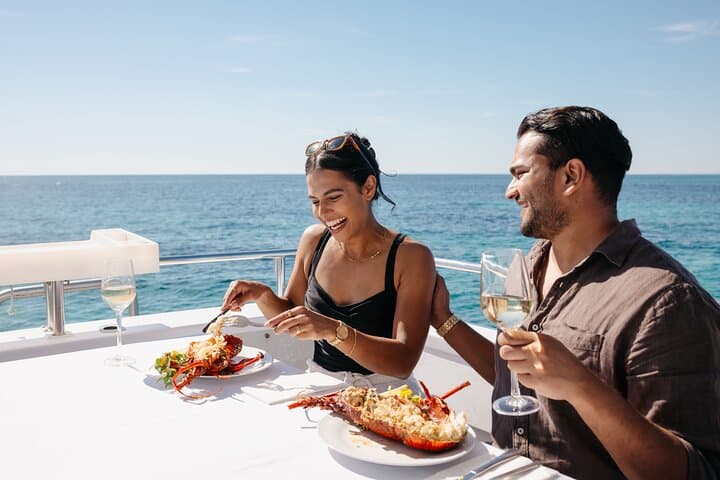
The boat carves a clean path through turquoise that looks painted rather than real. On deck, plates arrive like small revelations: scallops threaded with herbs, a barely-warmed octopus that folds like a hand around a wedge of charred lemon, a smooth spoonful of something briny and bright that tastes fully of the ocean it came from. All the while, land slides away—sandy humps and limestone shelves that catch the sun, the squat silhouette of Rottnest Island rising like a private promise. For four hours you are both audience and participant: a privileged arrival on an island that has long existed at the edge of things, served to you by a private chef and an attentive crew.
This is the Rottnest Cruises Luxe Island Seafood Cruise: a 69-foot pleasure boat, a seven-course degustation designed by executive chef Tony Howell, and Margaret River Howard Park wines poured like a local signature. It’s an indulgence that still feels of place—every course leans into Western Australian seafood and produce—because the point, in the end, is that the sea and the island are the performers.
Rottnest Island, or Wadjemup to the Noongar people, is a short hop off the coast of Fremantle but a world apart. Geologically, it’s a low-lying limestone and sand island carved by waves and wind over millennia; ecologically, its isolation created a haven for species such as the quokka, the friendly marsupial that became the island’s unintentional mascot. The island’s layered history—Noongar seasonal use, European colonization, its military installations and later transformation into a conservation reserve and tourist destination—sits just beneath the island’s scrubby vegetation and bright bays. On days when the cruise anchors in a calm bay, you can feel that extra weight: the island is both playground and protected place.
Practicalities keep the experience from becoming merely picturesque. The boat’s restrictions are clear: guests must be able to manage an angled boarding ramp with handrails, ladder-style stairs to upper decks, and a narrow bow walkway. The voyage moves into open water at points, so a steady footing is necessary. The trip lasts roughly four hours, and the price point—around USD 267—puts it squarely in the splurge category, but that includes a welcome cocktail, premium wines, local beers, and a full multi-course menu.
What makes this kind of cruise work is balance: the sensual pleasure of good food and drink paired with small, active choices. The boat anchors in a sheltered cove for swimming; float mats appear and the water dares you to dive in. If you’d prefer to keep dry, three decks mean plenty of places to sit, watch for dolphins that sometimes escort the boat, or spy the coastline of the island: white-sand beaches, hidden bays, and the decay of old military batteries softened by salt.
For travelers weighing the decision to book: think of this as a shoreline immersion rather than a long-haul expedition. It’s social and sensory, best for people who enjoy food-focused travel but also want uncomplicated active moments—floating, a short swim, or a brisk bow watch. Families with older kids, couples looking for a memorable afternoon, or small groups celebrating a milestone will find the cruise suits a range of expectations. Because the trip departs from the mainland—usually Fremantle—consider pairing it with a weekend in the port city: fresh fish at the markets, a brewery stop, and a sunset walk along the river.
A few reality notes: bring sun protection and a reef-safe sunscreen; the sun off the water is relentless. If you’re prone to seasickness, take preventative meds; the crew is professional but open ocean sections can roll. Dietary requests are accommodated when notified in advance, but the menu centers on seafood and Western Australian ingredients, so vegetarian options should be confirmed beforehand.
The Luxe Island Seafood Cruise is the kind of trip that makes you feel like a temporary inhabitant of the sea: the wind brisk in your face, the taste of salt and citrus on your tongue, and the occasional quokka selfie after you step foot on shore if you choose to disembark. It’s not about conquering nature; it’s about letting the coastline do its work—calming, humbling, delicious.
If you go, plan like this: arrive early in Fremantle to walk the historic streets and the fishing port; book in advance, especially in summer; bring practical clothing and a small dry bag; and leave room in your memory and your appetite for the quiet, perfect moments on the water when the island seems to tilt toward you and everything else falls away.
Trail wisdom
Small choices, better day.
Boarding & Mobility
Be ready for an angled boarding ramp and ladder-style stairs; bring slip-resistant footwear and let the crew know of any mobility concerns.
Seasickness Prep
If you’re susceptible to motion sickness, take medication before boarding—open ocean sections can roll.
Swim Smart
If you plan to swim off the anchored boat, wear reef shoes and a bright floatation aid if you’re not a strong swimmer.
Sun Protection
Bring reef-safe sunscreen, a wide-brim hat, and UV sunglasses—the glare off the water is strong.
Local knowledge
Read the place, not just the route.
Watch for native species including Quokka, Bottlenose dolphins.
Keep an eye out for wildlife during the transition between areas and habitats. Respect distance guidelines.
Rottnest Island is a protected reserve—visitors should not feed wildlife, stick to marked paths, and use reef-safe sunscreen to protect marine habitats.
Follow the guide's instructions on size limits, ethical handling, and leave-no-trace practices.
Pinky Beach for a quieter post-cruise stroll. The island’s old WWII batteries—short walks with panoramic views
Locally recommended viewpoints and quiet spots known best to local operators.
Wadjemup (Rottnest) is traditional Noongar country and later held colonial and military significance; the island’s name comes from 17th-century Dutch sailors who mistook quokkas for rats.
Maritime roots and regional tradition shape the waterways and working coasts.
Seasonal guide
Four versions of the same landscape.
Spring
Best forCalmer seas · Wildflowers on the island · Milder temperatures
ChallengesUnpredictable wind · Cooler water for swimming
Spring brings pleasant temperatures and blooming coastal scrub; seas are often calmer than summer but wind can pick up in afternoons.
Summer
Best forSwimming & float mats · Long daylight hours · Warm water
ChallengesStrong sun · Peak-season crowds · Higher prices
Summer is optimal for swimming and sun; book early and come prepared with sun protection and hydration.
Fall
Best forWarm water lingering · Fewer tourists · Good wine pairing weather
ChallengesOccasional storms · Shortening days
Autumn often offers a sweet spot of warm seas and thinner crowds—great for leisurely dining and relaxed swims.
Winter
Best forQuieter decks · Dolphin and whale sightings at times
ChallengesCool water temperatures · Rougher seas · Windy days
Winter is quieter and can be dramatic; swimming is less appealing, but the island’s isolation and wildlife can be especially striking.
Operator details
What the booking data adds.
Included
- ✓Swim in one of Rottnest Island's iconic, tranquil bays
- ✓Chill in turquoise waters on the upper sun deck or our large, specially designed float mats
- ✓By proceeding to book this tour, you are agreeing to Sea West WA Pty Ltd Terms and Conditions
- ✓Still and sparkling water available onboard throughout the cruise
- ✓Led by experienced crew, join in catching your own lobster or watch on
- ✓Onboard chef and full crew service, with white tablecloth long table lunching
- ✓Feast on a 7-course lunch designed by executive chef Tony Howell, showcasing fresh local lobster, W.A seafood and fresh local produce
- ✓Welcome Cocktail as you board, all-inclusive fine Still & Sparkling Margaret River Howard Park wines, wide range of local and international beers
- ✓Sugar free and traditional soda drinks inclusive and free flowing during the cruise
Not included
- —Ferry Transfer to/from Rottnest Island
- —Please note this is a Seasonal product only - non-operational during Winter season
- —BYO of alcohol is not permitted - Our inclusive drinks menu offers a great range to suit all tastes.
Good to know
- ✓Public transportation options are available nearby
- ✓Suitable for all physical fitness levels
Pack with intention
What to bring.
Good to know
Common questions.
Families are welcome but children must be able to manage boarding ramps and stairs; check age restrictions and safety policies with the operator before booking.
Plan the edges
The details that make the day easier.
Rottnest Island was named by Dutch mariners in the 17th century who mistook the island’s quokkas for giant rats; the island’s Noongar name is Wadjemup.
After your cruise, head to the Rottnest Hotel in Thomson Bay for a cold beer and local seafood; on the mainland, Fremantle’s fishing boat harbor and Little Creatures Brewery pair well with fresh-caught tastes and Margaret River wines.
- Closest airport
- Perth Airport (PER). Typical departure: Fremantle (~30–45 min from Perth CBD). Driving to departure: ~30–40 minutes from Perth CBD. Cell service: Good in Fremantle and main Rottnest bays; intermittent elsewhere. Permits: Rottnest Island may have visitor fees—confirm with Rottnest Island Authority.
Rottnest is a protected reserve—do not feed wildlife, use reef-safe sunscreen, and pack out all waste; follow Island Authority rules to protect quokkas and marine habitats.
Explore by topic
Follow the threads.
Keep exploring
Make the story part of the trip.
In four hours you can move from shaded canyon ferns to wind-scoured coastal ridgelines, guided by someone who knows where the light—and the hidden views—live. This private half-day hike on the Monterey Peninsula or Big Sur is compact, curated, and perfect for travelers who want depth without a multiday commitment.
 Related story
Beneath a sky of shifting light, Skaftafell’s ice reads like a map of time. This three-hour guided glacier hike mixes technical instruction with geology and culture: compact, safe, and unforgettable.
 Related story
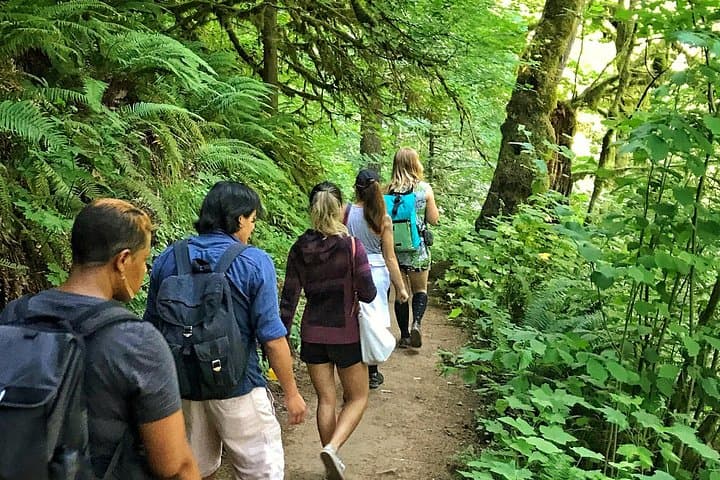
Lose the city for a few hours without leaving it: this 5-mile, 900-foot-gain Forest Park loop threads old-growth pockets, city viewpoints, and cultural landmarks for a compact taste of Portland’s wild side. Expect moss, roots, and stories.