

What the day feels like
The wind on Islay arrives with intent. It pushes across a slate-grey Atlantic, threads through peat bogs and barley fields, and arrives at the low-slung stone buildings of Bruichladdich Distillery as if checking the casks for honesty. You step from the road into a yard where nets from the nearby pier still dry, and the scent is not the expected peat-smoke of Islay but a bracing mix of sea spray, malt, and the faint citrus and floral bloom that mark Bruichladdich’s unorthodox whiskies. It is at once familiar and provocative—an island distillery that refuses to be typecast.
Bruichladdich sits on the northwest shore of the Isle of Islay, a place where geology and human craft collide. The distillery’s low buildings hug a coastline of raised beaches and glacial deposits; the soil here is thin, the peat deep, and salt-laden winds carve a maritime signature into barley and spirit alike. Founded in 1881 during Scotland’s whisky boom, Bruichladdich has worn several faces: a bustling Victorian enterprise, a quiet mothballed complex in the late 20th century, and since the early 2000s, a laboratory for provenance. Owners and distillers have made a point of tracing barley to specific farms, experimenting with peat levels, and treating each cask as a map back to the field.
On Islay, whisky is not just a drink—it's a conversation with place. Bruichladdich’s house style deliberately resists the island’s smokier reputations. Where Lagavulin and Laphroaig embrace medicinal peat, Bruichladdich often champions lighter, fruit-forward expressions and single-crop bottlings that showcase terroir. Walk the floor of a distillery tour here and you’ll see mash tuns and stills the same as elsewhere, but you’ll also hear staff talk about barley contracts, copper maintenance, and how wind-borne salt affects fermentation. There’s an engineer’s pride and a farmer’s humility, and both are part of the experience.
Most visitors arrive as part of multi-day Islay whisky tours that include Bruichladdich alongside Ardbeg, Bowmore, Laphroaig, and others. Whether you’re on a four-day private tour from Edinburgh, a platinum package with accommodation included, or a coach trip from Glasgow, Bruichladdich offers something different amid the island’s familiar syllables of peat and peat smoke. It’s quieter here—literal quiet: the buildings open to views of the Minch, the channel between the islands, and a sky that can turn from inclusive blue to dramatic slate in minutes. That volatility is part of Islay’s charm: plan for change, and you’ll be rewarded.
Culturally, Islay is a tight-knit world. Bowmore, Port Charlotte, and Port Ellen are the island’s social anchors; Bowmore is often used as a base for accommodation when tours include Bruichladdich. Kildalton Cross, an early medieval carved stone, and the Oa peninsula’s wartime memorials add layers to a whisky-focused trip. Local pubs pour drams with an openness and patience that feels like an inheritance—the island is proud of its product, but more proud of the history and people behind it.
Practical guide: a distillery tour at Bruichladdich typically lasts an hour to 90 minutes and pairs a walkthrough of production with tastings that emphasize provenance. For most packaged Islay tours that include Bruichladdich, expect a full-day rhythm: ferry crossing, two or three distillery visits, lunch in a village or hotel, then another tasting session. The island’s ferry timetable is the spine of any itinerary—Kennacraig is the mainland terminal commonly used on routes from Glasgow or Ardmore, while ferries from Oban feed other itineraries. If you’re self-guiding, book the distillery tour in advance during summer and weekends; the island fills quickly.
Terrain and timing: the distillery walk itself is flat and accessible, but the island’s weather is not. Pack a waterproof shell and layers; the difference between sun and driving rain can be a 20-minute affair. Footwear should be sturdy but not alpine—good walking shoes or light hiking boots are ideal for the mix of village streets, pebbled beaches, and grassy paths you’ll likely cross between distilleries. Hydration matters: drams aren’t hydration—and the wind and peat can dry the throat faster than you expect.
Buy-in and etiquette: Bruichladdich’s philosophy around local barley makes buying a bottle at the distillery shop more than a souvenir; it’s a way to bring a piece of place home. Ask about limited releases and provenance bottlings—staff are usually keen to explain the backstory. Respect private farmland and bird-nesting seasons when wandering between distilleries and beaches; Islay’s ecological sensitivity is part of what makes its whiskies special.
If you’re planning a tour that includes Bruichladdich, consider the longer approach: a 3–4 day itinerary gives you time to feel the island’s pace, visit archaeological sites like Kildalton Cross, and watch a surf-beaten sunset on the west coast. Many organized tours include accommodation and ferry, which simplifies logistics, but independent travelers often find the reward in slow movement—walking to a beach, finding an empty stretch of sand, or catching the late light on a still cask warehouse.
Bruichladdich is a distillery that invites you to reconsider categories: it is Islay and not-Islay, maritime and agricultural, experimental and traditional. The island will test your assumptions—about whisky, weather, and what counts as a landscape—and then hand you a dram that makes those tests worthwhile. On the way back to the ferry, you’ll feel the wind as a companion rather than an obstacle, and if you carry home a bottle, it will taste, in the best sense, like where you stood when you first met the place.
Trail wisdom
Small choices, better day.
Book Tours in Advance
Summer weekends fill fast—reserve distillery tours and ferry crossings ahead of time to avoid disappointment.
Layer for Weather
Bring a waterproof shell and warm mid-layer—Islay weather can swing from sun to wind-driven rain in minutes.
Pace Your Tastings
Tastings come in rapid succession on multi-distillery days—space water and light food between drams to keep tasting notes clear.
Respect Local Paths
Stick to marked tracks near farmland and nesting areas to protect peatlands and birdlife.
Local knowledge
Read the place, not just the route.
Watch for native species including Otters, Barnacle geese.
Keep an eye out for wildlife during the transition between areas and habitats. Respect distance guidelines.
Bruichladdich emphasizes local barley sourcing and experiments with sustainable practices; visitors should stick to marked paths to protect fragile peatlands.
Follow the guide's instructions on size limits, ethical handling, and leave-no-trace practices.
Kildalton Cross—early medieval carved stone close to the south coast. Port Charlotte shoreline and small local cafes for quieter beach walks
Locally recommended viewpoints and quiet spots known best to local operators.
Founded in 1881, Bruichladdich was mothballed in the late 20th century and revived in 2001, later becoming known for provenance-led whiskies.
Maritime roots and regional tradition shape the waterways and working coasts.
Seasonal guide
Four versions of the same landscape.
Spring
Best forMigratory birdwatching · Quieter tours · Early-season lambing scenery
ChallengesChangeable weather · Some facilities open later in the season
Spring brings nesting birds and dramatic light; expect cool temperatures and occasional roadworks as the island prepares for summer visitors.
Summer
Best forLong daylight hours · Full tour schedules · Outdoor walks and beaches
ChallengesCrowded ferries and tours · Higher accommodation prices
Summer is the easiest time for travel logistics and island access—book well in advance for distillery tours and places to stay.
Fall
Best forAutumnal peat and barley harvest context · Whisky festivals · Fewer crowds
ChallengesShortening daylight · More frequent storms
Autumn offers atmospheric weather and harvest stories that pair well with distillery visits; keep flexible with ferry times.
Winter
Best forStorm-watching and solitude · Possible off-season rates · Bold, peaty expressions tasting well
ChallengesReduced ferry services · Limited tour availability
Winter is raw and rewarding but logistically constrained—verify tour operations and ferry timetables before traveling.
Pack with intention
What to bring.
Good to know
Common questions.
Tours typically run 60–90 minutes and include a walkthrough plus tastings; specialty tours may be longer.
Plan the edges
The details that make the day easier.
Bruichladdich was founded in 1881, was mothballed in the 1990s, and was revived in 2001; it is now known for provenance-led bottlings that trace barley back to specific farms.
Islay’s culinary scene favors fresh seafood—smoked mackerel, shellfish, and island lamb—served in pubs and hotel restaurants; local ceilidhs and Gaelic connections give evenings a communal feel.
- Know-before-you-go
- Ferry crossings (Kennacraig
Support distillery and island sustainability by buying local barley-origin bottlings, using refillable water bottles, and staying on paths to protect peatlands and nesting birds.
Explore by topic
Follow the threads.
Keep exploring
Make the story part of the trip.
In four hours you can move from shaded canyon ferns to wind-scoured coastal ridgelines, guided by someone who knows where the light—and the hidden views—live. This private half-day hike on the Monterey Peninsula or Big Sur is compact, curated, and perfect for travelers who want depth without a multiday commitment.
 Related story
Beneath a sky of shifting light, Skaftafell’s ice reads like a map of time. This three-hour guided glacier hike mixes technical instruction with geology and culture: compact, safe, and unforgettable.
 Related story
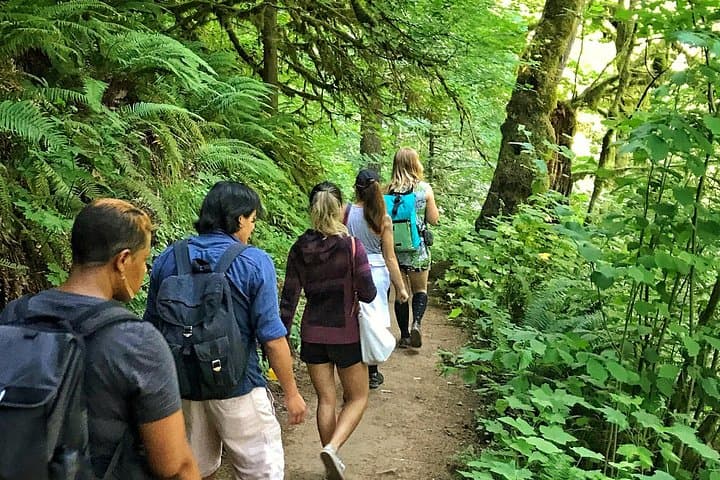
Lose the city for a few hours without leaving it: this 5-mile, 900-foot-gain Forest Park loop threads old-growth pockets, city viewpoints, and cultural landmarks for a compact taste of Portland’s wild side. Expect moss, roots, and stories.