

What the day feels like
The bus lets you off where the pavement thins and the town gives way to the sea: Sai Kung’s harbor is a scatter of bobbing dinghies, plastic crates and the smell of seafood on a charcoal grill. Early morning light irons the harbor into a mirror; fishermen knot nets with the practiced patience of people who read weather by the color of the sky. From here the peninsula unfurls—granite ridgelines, jungle gullies, and a coastline stitched with small bays that feel impossibly private a half-hour from Hong Kong Island.
Sai Kung wears two faces. By the waterfront you’ll find bright signs and a lane of seafood restaurants where you point to the catch and the cook points to the wok. Walk five minutes farther and the sound of traffic drops away. Backcountry tracks begin—the MacLehose Trail and a network of goat paths that lead to Tai Long Wan’s famous sweep of sand, or to the hexagonal columns at High Island, where the earth seems to have stacked itself like a concrete honeycomb. There’s a geological bluntness here: cooled volcanic rock, ancient sea levels, and the slow, polite erosion that keeps revealing new angles to the coast.
Geology dictates character. Sai Kung is a cornerstone of the Hong Kong UNESCO Global Geopark, and it shows. High Island’s columns—regular, vertical pillars of volcanic tuff—are the visible punctuation mark of a violent epoch when fire meet sea. Sharp Peak juts from the peninsula like an exclamation point for hikers; its steep, knife-edge ridgeline rewards sweat with wide-water views across small islands and cobalt straits. The peninsula’s bays—Ham Tin, Sai Wan, Tai Wan—are the sorts of beaches that demand a daypack: tide charts, sunscreen, and a willingness to earn solitude on stepped, sometimes muddy trails.
Culturally, Sai Kung is framed by villages and boat people. Hakka farmsteads sit inland beneath ridgelines; fishermen’s stores and floating restaurants have been modernized but retain a stubborn practicality. The area is equal parts playground and working coast—sailboats and shrimp farms, day-trippers arriving in vans and the persistent, slow rhythm of people who read the weather from the swell.
For travelers with limited time—especially cruise passengers—Sai Kung can be folded into an efficient shore excursion. A private sightseeing limo tour that picks up at the Hong Kong Cruise Terminal can parcel out five or six highlights in half a day, smoothing over Hong Kong’s traffic and giving you a structured, local-led visit. But if you’ve got the afternoon and inclination, the best way into Sai Kung’s character is on land and water: a morning hike, an afternoon boat hop to an island, and an evening of honest seafood by the quay.
Practical terrain notes: trails here are honest but variable. A common outing—trailhead to Tai Long Wan beach—runs roughly 6–10 km round trip, depending on where you begin, with cumulative elevation gains of 200–400 m and sections of dusty singletrack and loose rock. Sharp Peak is shorter but steeper; expect continuous scrambling at higher pitches and a final ascent that tests balance and nerve. The High Island columns are accessed by a short walk from the dam car park—flat and suitable for most walkers—while island-hopping requires a licensed boat or scheduled ferry and can involve gentle snorkeling or beach hikes once ashore.
Timing is everything. Fall (October–December) is the sweet spot: crisp air, reliable sunshine and less humidity. Summer delivers warm water and prime paddling, but also the possibility of typhoon watches and heavy rain; winter is cool and quiet but not cold, great for long ridgeline walks. Plan for midday heat and afternoon squalls in summer—start early, carry water, and check the marine forecast.
What will make your day easier: good shoes—sturdy trail runners or low-cut boots—plenty of water (1.5–3 liters depending on conditions), a dry bag if you’re heading to the islands, and reef-safe sunscreen. Navigation is straightforward on marked trails, but mobile signal can be patchy; carry a printed map or offline route in your phone. If you’re arriving by cruise ship, the private limo tour is an efficient way to visit highlights in a fixed window; if you have more freedom, rent a kayak or book a local boat to reach tiny coves that are otherwise inaccessible.
Respect the coast. The geopark protects sensitive rock formations and coral patches; stick to paths, avoid removing shells or rocks, and book licensed boat operators who follow no-wake rules near reefs. The combination of high visitor numbers in summer and the region’s marine life makes low-impact travel more than etiquette—it preserves the reason you came.
Sai Kung is a compact lesson in contrast—commercial quayside life rubbing shoulders with raw volcanic coastline and quiet ridges that reward stillness. Whether you’re chasing the perfect slice of sand at Tai Long Wan, watching the sun gild hexagonal columns at High Island, or simply eating grilled fish on a bench by the harbor, Sai Kung’s appeal is immediate but layered: it’s a place where adventure is small enough to be accessible and big enough to be earned.
Trail wisdom
Small choices, better day.
Start early to avoid heat and crowds
Begin hikes before 8am to catch cooler temperatures, calmer seas for boat hops, and quieter beaches at Tai Long Wan.
Carry more water than you think
Trails can be exposed; bring 1.5–3L per person and a lightweight filter bottle if you’ll be out all day.
Footwear matters
Trails range from sandy beach approaches to steep, rocky scrambles—sturdy trail runners or low-cut hikers provide grip and protection.
Check tide and weather for boat plans
If island-hopping or snorkeling, confirm tide times and marine forecasts; licensed skippers will advise on safe launch windows.
Local knowledge
Read the place, not just the route.
Watch for native species including white-bellied sea eagles (occasionally spotted), intertidal reef fish and small crabs.
Keep an eye out for wildlife during the transition between areas and habitats. Respect distance guidelines.
Parts of Sai Kung are in the Hong Kong Global Geopark and marine parks—avoid collecting shells, use licensed operators, and keep a safe distance from wildlife.
Follow the guide's instructions on size limits, ethical handling, and leave-no-trace practices.
Kau Sai Chau beach and quiet inlets reachable by local boat. The low-key seafood stalls on side streets of Sai Kung Town away from the main quay
Locally recommended viewpoints and quiet spots known best to local operators.
Sai Kung’s villages reflect Hakka settlement patterns and a maritime culture; the geopark designates the area for its volcanic and coastal geology.
Maritime roots and regional tradition shape the waterways and working coasts.
Seasonal guide
Four versions of the same landscape.
Spring
Best forflowering hillsides · mild hikes · kayaking sheltered bays
Challengessudden rain showers · sticky humidity later in season
Spring brings mild temperatures and green ridgelines—good for hiking and paddling, but pack a light rain layer for intermittent showers.
Summer
Best forswimming and snorkeling · island hopping · sea kayaking
Challengestyphoon season and heavy rain · intense sun and high humidity
Summer is prime for water activities; expect warm water and frequent afternoon storms—plan early starts and keep an eye on marine advisories.
Fall
Best forclear vistas · long ridgeline hikes · comfortable beach days
Challengeshigher visitor numbers on long weekends · cooler nights
Autumn is the ideal season—stable weather, lower humidity and excellent visibility for hikes and boat trips.
Winter
Best forquiet trail days · sharp-peak ascents in cool air · photography of clear skies
Challengescool breezes on exposed ridges · choppy seas for small boats
Winter is cool and crisp—perfect for long walks and photography, though boats may encounter rougher water on windy days.
Pack with intention
What to bring.
Good to know
Common questions.
Public minibuses (from Diamond Hill, MTR interchange points) and taxis run to Sai Kung Town; cruise passengers can book private limo tours from the cruise terminal for a timed visit.
Plan the edges
The details that make the day easier.
Sai Kung contains sections of the Hong Kong UNESCO Global Geopark, recognized for its hexagonal volcanic rock columns and coastal geomorphology.
Seafood reigns here—book a local dai pai dong or waterfront restaurant and choose the catch of the day; stop by small craft shops for handmade sailing trinkets and local preserves.
- Getting there
- public minibus or taxi from MTR connections; Cruise option: private limo pickup from Hong Kong Cruise Terminal. Fees: park entry free; boat charter fees vary. Facilities: restrooms in Sai Kung Town and major trailheads; mobile signal patchy inland.
Support licensed boat operators, avoid single-use plastics on beaches, and follow geopark rules—leave rocks and shells in place to protect habitats and future visitors’ experience.
Explore by topic
Follow the threads.
Keep exploring
Make the story part of the trip.
In four hours you can move from shaded canyon ferns to wind-scoured coastal ridgelines, guided by someone who knows where the light—and the hidden views—live. This private half-day hike on the Monterey Peninsula or Big Sur is compact, curated, and perfect for travelers who want depth without a multiday commitment.
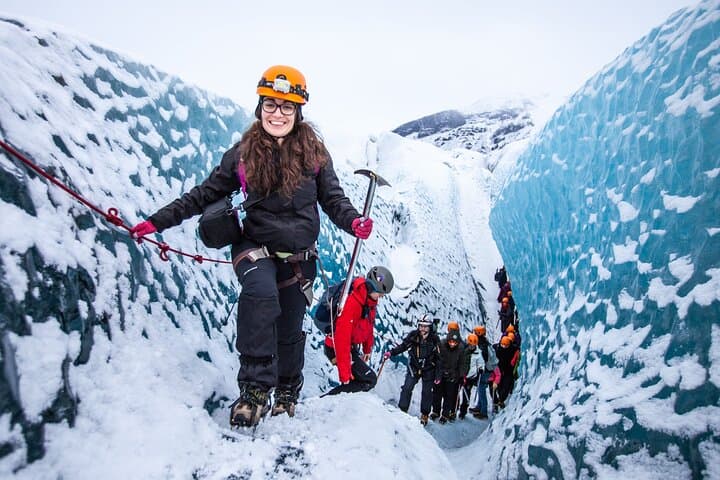 Related story
Beneath a sky of shifting light, Skaftafell’s ice reads like a map of time. This three-hour guided glacier hike mixes technical instruction with geology and culture: compact, safe, and unforgettable.
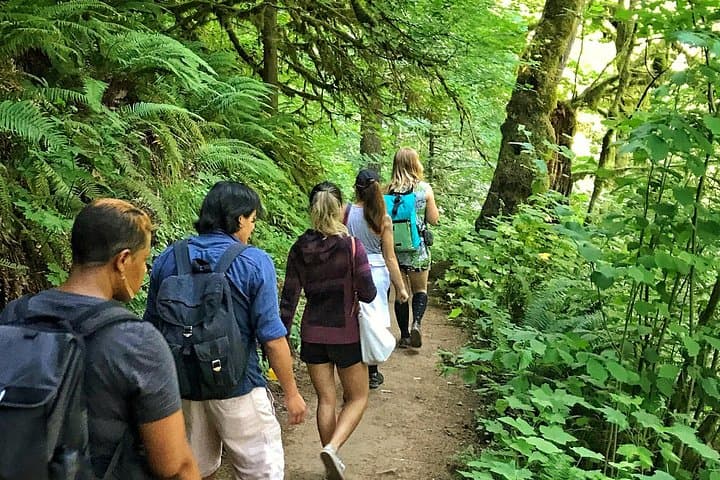 Related story
Lose the city for a few hours without leaving it: this 5-mile, 900-foot-gain Forest Park loop threads old-growth pockets, city viewpoints, and cultural landmarks for a compact taste of Portland’s wild side. Expect moss, roots, and stories.