
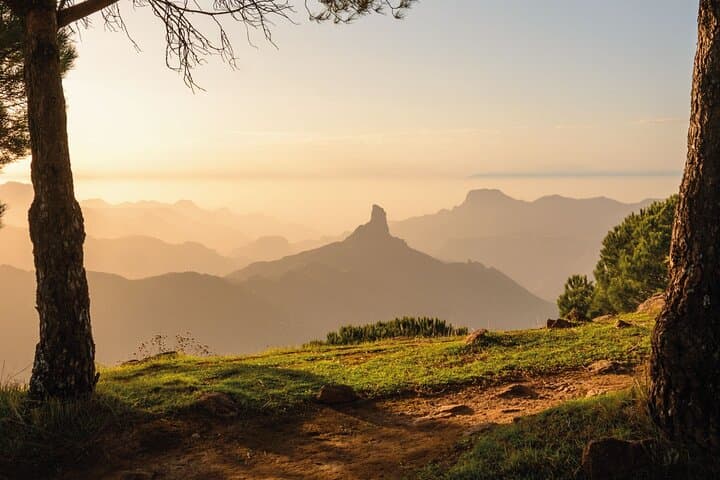
What the day feels like
By mid-morning the bus drops you on a shoulder of island sky where rock insists on being noticed. Roque Nublo rises from the barranco like a charcoal thumbprint against a ceiling of blue—an ancient volcanic monolith that has watched shepherds and settlers shape the interior of Gran Canaria for millennia. The wind here is deliberate: it coaches your steps, rearranges your thoughts, and forces you to squint into vistas that stitch coast to crest. This is the kind of day that makes the island feel both intimate and enormous.
The Gran Canaria Gran Tour with Lunch stitches together those close-up moments of awe with cultural notes and easy walking. Over eight hours you move from the island’s scrubby lowlands to pine-scented ridgelines and into small, color-washed towns where the pace slows and the food sharpens. It’s a route that highlights why locals still point to Roque Nublo as a symbol: not just a rock, but a compass for identity and geology. For travelers who want one day to understand the island’s vertical life—its geology, villages, and flavors—this tour does the heavy lifting while leaving room to breathe.
The geology here is blunt and honest. Gran Canaria is a collapsed shield volcano, carved by time into deep ravines and hanging plateaus. Roque Nublo itself is a volcanic plug, the hardened throat of an extinct volcano, sculpted by millennia of wind and water into its present, dramatic shape. On clear days you can trace the island’s skeleton—ridges pointing to the sea, old lava fields flattened into terraces, and the baked earth that birthed the islands’ agricultural terraces and the towns clinging to them.
Cultural texture arrives in the form of villages like Tejeda and Artenara—places where stone houses and narrow streets compress history into a single frame. Here you'll meet Canary Island traditions: terraces of almond trees, small bakeries selling bienmesabe (an almond cream that is the island’s answer to comfort food), and locals who still cultivate small plots on steep slopes. The tour’s included lunch is more than fuel; it’s a pedagogical pause—papas arrugadas with mojo, slow-cooked stews, and a chance to taste how land and sea trade influence in Canarian cooking.
Practicalities are straightforward and reassuring. The day lasts roughly eight hours, with several short walks—one of the most memorable is the 3-kilometer round-trip walk around Roque Nublo with about 180–250 meters (600–820 feet) of elevation gain, enough to get your pulse up without stealing your energy. Trails are well marked but exposed in places; footwear with grip and ankle support matters. The road between villages is dramatic and winding, and the minibus driver often doubles as a guide—pointing out geological formations, telling local stories, and setting the tempo.
Why book this experience? For one, it’s efficient: in a single day you see the island’s topography and its contrasting human settlements. For photographers it’s a gold mine—sunlight slices the ridgelines between late morning and early afternoon, and panoramic viewpoints frame beaches and mountain silhouettes at once. For travelers short on time, the curated stops let you concentrate on the island’s essentials: rock, village, and plate.
If you want to learn more or lock in a seat, the tour provider maintains up-to-date itineraries and booking at this Gran Canaria tour page: <a href="https://app.advcollective.com/local-experts/gran-canaria-grand-tour-roque-nublo-mountain-villages-lunch">Gran Canaria Grand Tour — Roque Nublo & Mountain Villages</a>. The page has details about meeting points, what’s included, and the small-group feel that makes the day flexible and personal. It’s also the place to check for seasonal variations in timing and departure.
Timing matters. Mornings are best for the higher viewpoints when the air is clear. Midday can be warm in exposed sections, and the light hardens into contrast—good for dramatic black-and-white frames, not always kind to faces. The operators typically include water and lunch, but carry a small daypack with a rain shell, sunscreen, and extra water. The terrain is a mix of paved village lanes and compact dirt trails; walkers of moderate ability will handle it comfortably. If you have mobility issues, ask about the walking distances and alternative viewpoints—the bulk of the route is accessible by vehicle.
Beyond logistics, this day is about connection. It’s about understanding how an island’s geology prescribes its human geography: where terraces are built, where towns cluster for shelter, where goats still graze. It’s about slowing down long enough to taste an almond pastry in a town square and realizing that such moments are the reason you crossed an ocean. The tour is at once a primer and a deep dive—efficient, sensory, and local.
In short: take the tour if you want a compact, well-paced introduction to Gran Canaria’s interior. Bring sensible footwear, some curiosity, and a camera with a zoom lens. Let the wind tell you where to look; let the lunch make sense of what you’ve seen. And if you want to lock in dates or read the latest details, the operator’s booking page is here: <a href="https://app.advcollective.com/local-experts/gran-canaria-grand-tour-roque-nublo-mountain-villages-lunch">Gran Canaria Grand Tour with Lunch</a>.
Trail wisdom
Small choices, better day.
Bring layered clothing
Mountain weather changes quickly—mornings can be cool and windy while midday is warm and exposed.
Wear grippy shoes
Trails around Roque Nublo are short but rocky; ankle support and traction make the walk much more comfortable.
Hydrate early
Carry at least 1–2 liters of water; the tour includes stops but exposed sections can dehydrate you fast.
Charge your camera
Light changes quickly—bring a zoom lens and spare battery to capture panoramas, village details, and midday contrasts.
Local knowledge
Read the place, not just the route.
Watch for native species including Canary Islands chiffchaff (small songbird), Barbary partridge in scrubby slopes.
Keep an eye out for wildlife during the transition between areas and habitats. Respect distance guidelines.
Roque Nublo is protected as a Natural Monument—stick to trails, avoid climbing the monolith, and pack out all trash to protect fragile highland ecosystems.
Follow the guide's instructions on size limits, ethical handling, and leave-no-trace practices.
Mirador del Pico de las Nieves for a broad island panorama. Small pastry shops in Tejeda serving local almond specialties
Locally recommended viewpoints and quiet spots known best to local operators.
The island’s interior preserves traces of pre-Hispanic Guanche settlements; Roque Nublo was a landmark and sacred spot for early island inhabitants.
Maritime roots and regional tradition shape the waterways and working coasts.
Seasonal guide
Four versions of the same landscape.
Spring
Best forWildflower displays · Mild hiking conditions · Clear vistas
ChallengesOccasional spring showers · Cooler mornings at elevation
Spring offers blooming almond trees and crisp air—excellent for walking and photography, with light rain possible.
Summer
Best forLong daylight hours · Warm village terraces · Clear coastal views
ChallengesHot, exposed sections · Higher visitor numbers
Summer delivers strong sun and warm temperatures—start early to avoid peak heat on exposed trails.
Fall
Best forStable weather · Crisp evening light · Lower crowds
ChallengesShortening days · Occasional windier conditions
Autumn brings stable skies and softer light—ideal for panoramas and relaxed village lunches.
Winter
Best forCool mountain air · Possible dust-free clarity · Off-peak travel
ChallengesCooler temperatures at altitude · Patchy road closures in storms (rare)
Winter is mild compared to continental climates but can be cool at higher elevations—dress warmly for viewpoints.
Operator details
What the booking data adds.
Included
- ✓Transfer
- ✓Insurance
- ✓Guide
Not included
- —Lunch not included en Restaurante Balcon de Zamora
Good to know
- ✓Specialized infant seats are available
- ✓Suitable for all physical fitness levels
- ✓The pick-up service is only offered from hotels in the south of Gran Canaria. Transfer service takes place approximately between 08:30 and 09:20. Pick-up can be at your hotel or at the nearest pick-up point to your hotel.
Pack with intention
What to bring.
Good to know
Common questions.
The walk to Roque Nublo is moderate: roughly 3 km round trip with about 180–250 meters of elevation gain on a well-marked trail.
Plan the edges
The details that make the day easier.
Roque Nublo is a volcanic plug approximately 80 meters high and has been protected as a Natural Monument since 1987.
After the hike, head to a village bar for papas arrugadas with mojo and try local almond sweets (bienmesabe) alongside a small local wine or a cold Canarias beer to complete the day.
- Closest airport
- Gran Canaria Airport (LPA)
- Typical driving from Las Palmas
- 45–75 minutes to mountain stops
- Cell service
- intermittent in highlands
- Permits
- none required for day visits.
Roque Nublo is a protected Natural Monument—stay on trails, avoid climbing the rock itself, and support local operators who practice low-impact tourism.
Explore by topic
Follow the threads.
Keep exploring
Make the story part of the trip.
In four hours you can move from shaded canyon ferns to wind-scoured coastal ridgelines, guided by someone who knows where the light—and the hidden views—live. This private half-day hike on the Monterey Peninsula or Big Sur is compact, curated, and perfect for travelers who want depth without a multiday commitment.
 Related story
Beneath a sky of shifting light, Skaftafell’s ice reads like a map of time. This three-hour guided glacier hike mixes technical instruction with geology and culture: compact, safe, and unforgettable.
 Related story
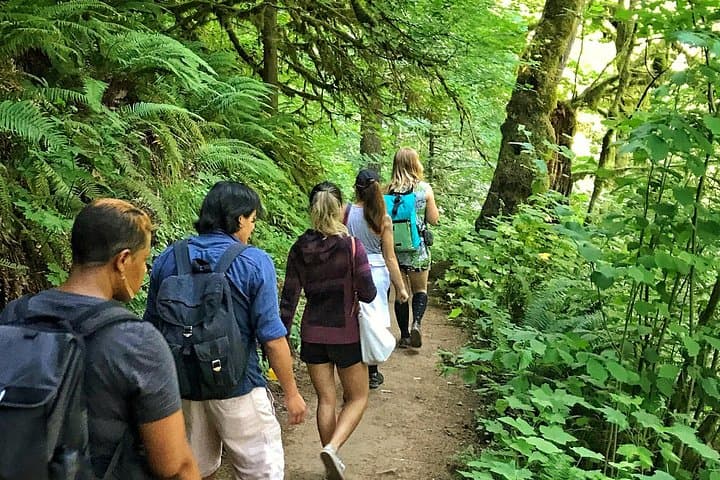
Lose the city for a few hours without leaving it: this 5-mile, 900-foot-gain Forest Park loop threads old-growth pockets, city viewpoints, and cultural landmarks for a compact taste of Portland’s wild side. Expect moss, roots, and stories.