

What the day feels like
You come to the Neretva first as a sound: a clear, metallic rush that threads the valley and then, when the river widens beneath Mostar, it becomes a conversation—of water on rock, of fishermen sorting lines, of the Old Bridge’s shadow shifting across bright green eddies. Stand on the bridge at noon in summer and you’ll see them—locals and visitors—climbing the parapet, the town holding its breath as someone dives into a gorge that dares anyone who watches to feel how alive the river is.
This is a river that defines a place. The Neretva (Rijeka Neretva) slices limestone and history, its emerald currents carved through Dinaric karst over millennia. Upstream from Mostar the water narrows into canyons and rapids that invite rafting groups and kayakers; downstream it slows and broadens, reflecting Ottoman minarets and Austro-Hungarian facades that line the old town. The river is both landscape and local—the spine of Herzegovina. Adventurers here don’t just admire it from a café terrace; they get in.
The best way to feel the Neretva’s personality is to paddle it. The classic rafting route—about 23 kilometers from the village of Glavaticevo toward the town of Konjic—runs roughly five hours and threads through tight canyons, four progressively challenging rapids, and sudden, peaceful pools. Guides steer rafts into lunch breaks beneath limestone walls and coax you through cascades where the river seems to test your balance and nerve. It’s not pure adrenaline all the way; there are long stretches where the water becomes a mirror that shows vine-draped cliffs and, occasionally, a kingfisher cutting the reflection with quick silver.
If you prefer something quieter, smaller-group kayak and canoe safaris run on gentler sections of the river near Jablanica. These trips are about being close to the water—feeling the current nudge the bow, learning to read the river’s moods, and stopping at riverside hamlets for a home-cooked meal. The local guides are storytellers as much as paddlers; they map out wartime history, Ottoman trade routes, and the old bridges that made this area a crossroads of cultures.
History lives on the banks. Mostar’s Stari Most—rebuilt after its destruction in the 1990s—anchors stories of empire and resilience: Ottoman masons, Austro‑Hungarian administrators, Yugoslav modernity and the recent conflicts that reshaped the region. Below the bridge, locals still dive into the Neretva, a ritualized proof of courage and balance watched by café terraces and markets where ćevapi and Bosnian coffee scent the air. The valley is also a textbook of regional geology: limestone plateaus, karst springs such as the Buna in nearby Blagaj, and narrow gorges that the river has scoured to brilliant green.
Practicalities are simple but worth respecting. Rafting on the Neretva is typically a half- to full-day commitment; the well-known Glavaticevo–Konjic run is about 23 kilometers and five hours and includes four rapids of increasing intensity. Kayak safaris and shorter floats can be arranged around Jablanica and Mostar, and many operators include a river-side meal—fresh fish or local grilled meat and salads—so come with an appetite. In summer you’ll time trips for earlier in the day to avoid the heat; in spring the higher flows from snowmelt make rapids more forceful and the scenery more dramatic.
Gear and fitness: you don’t need to be an expert paddler to raft the Neretva, but you’ll need basic swimming comfort and the ability to follow guide commands. Wear water shoes or secure sandals, synthetic quick-dry layers, and bring sunscreen and a dry bag for camera gear. Guides supply helmets and life jackets; listen to safety briefings and treat the river with respect. If you’re booking through Mostar, consider combining a river trip with a panoramic hike up to Fortica for an overlook of the Neretva valley or a half-day walking tour of the old town to sample local flavors and the bridge divers’ spectacle.
Local etiquette and culture matter. River guides are often born here and know where to stop for the best trout, which families run seasonally opened picnic spots, and the safer eddies for an impromptu swim. Learn a few Bosnian words—dobro jutro (good morning), hvala (thank you)—and tip guides who share histories and stories that transform a run downriver into a fuller sense of place.
Timing your trip can change the experience: late spring brings higher flows and livelier rapids; mid-summer is warmer and better for swimming and photography; autumn shades the valley in rust and gold. Winter sees much quieter rivers and a starker, more solitary landscape, but many operators scale back. For photographers, aim for morning or late afternoon for side-light that brings out the river’s color and the sculpted limestone banks.
The Neretva is not only a playground—it's a resource. Local groups work to balance tourism with river conservation, encouraging responsible waste practices and supporting riverbank restoration. When you paddle, ask your operator what they do to minimize impact, and choose companies that hire locally and feed profits back into community projects.
You don’t have to be a daring diver to fall in love with the Neretva. Whether you’re in a raft, a kayak, or simply sipping coffee on the Old Bridge watching the water move below, the river demands attention. It’s alive, exacting, generous—an artery of rock and current that beats steadily through Mostar. Get on it, and it will show you the valley in a way a map never could.
Trail wisdom
Small choices, better day.
Listen to your guide
Most operators provide a safety briefing—follow commands during rapids and use the provided lifejacket and helmet.
Wear secure footwear
Riverside rocks are slippery; choose water shoes or secure sandals rather than flip-flops.
Protect electronics
Bring a small dry bag for your phone and camera; reflections are beautiful but splashes are frequent.
Plan for sun and swim
Start trips early to avoid peak sun, and bring quick-dry clothing plus a towel for post-paddle dips.
Local knowledge
Read the place, not just the route.
Watch for native species including kingfisher, otter.
Keep an eye out for wildlife during the transition between areas and habitats. Respect distance guidelines.
Local NGOs and outfitters work to minimize tourism impacts through river cleanup programs and by promoting sustainable river use among guides and visitors.
Follow the guide's instructions on size limits, ethical handling, and leave-no-trace practices.
Fortica viewpoint for panoramic views over the Neretva valley. Riverside family-run konobas (taverns) in Jablanica serving fresh trout and local cheese
Locally recommended viewpoints and quiet spots known best to local operators.
The Stari Most (Old Bridge) in Mostar was built in the 16th century under Ottoman rule and reconstructed after its 1993 destruction; the river valley has long been a cultural crossroads.
Maritime roots and regional tradition shape the waterways and working coasts.
Seasonal guide
Four versions of the same landscape.
Spring
Best forhigher-flow rafting · wildflower valley views · dramatic canyon scenery
Challengescooler water temperatures · variable weather · stronger rapids
Spring snowmelt raises flows, making rapids livelier—excellent for whitewater but bring a wetshell for chillier water.
Summer
Best forswimming breaks · long daylight hours · combining river trips with Mostar sightseeing
Challengesheat at midday · crowded viewpoints · reduced spring flows in low-water years
Warm, sunny days are ideal for mixing rafting with swimming and café breaks in Mostar; mornings are best for trips.
Fall
Best forcrisp air and color · fewer crowds · pleasant hiking around Fortica
Challengescooling water · shorter daylight · some operators reduce schedules
Autumn tones soften the valley; flows moderate and the river is quieter—great for photographers and peaceful paddles.
Winter
Best forsolitude and stark landscapes · less tourist traffic · studying river geology
Challengescold water and air · many outfitters close or limit trips · short days
Winter brings a stripped-back landscape and lower tourism; check operator availability and expect cold conditions.
Pack with intention
What to bring.
Good to know
Common questions.
The popular Glavaticevo–Konjic run is about 23 km and takes roughly five hours, including lunch and breaks.
Plan the edges
The details that make the day easier.
The Neretva River is approximately 225 kilometers long and is the largest river of the eastern Adriatic watershed, flowing to the Adriatic Sea near the town of Ploče.
Mostar blends Ottoman and Mediterranean flavors—sample ćevapi, burek and strong Bosnian coffee in the Old Bazaar, and seek family-run konobas along the river for trout grilled over wood coals.
- Where to go
- Mostar (Herzegovina-Neretva). Typical trip length: half-day to full-day. Book through local outfitter in Mostar or Jablanica. Bring: water shoes, sunscreen, dry bag. Language: Bosnian; many guides speak English.
Choose outfitters that use local guides, limit group sizes, and participate in river cleanups; avoid single-use plastics and follow leave-no-trace principles at riverside stops.
Explore by topic
Follow the threads.
Keep exploring
Make the story part of the trip.
In four hours you can move from shaded canyon ferns to wind-scoured coastal ridgelines, guided by someone who knows where the light—and the hidden views—live. This private half-day hike on the Monterey Peninsula or Big Sur is compact, curated, and perfect for travelers who want depth without a multiday commitment.
 Related story
Beneath a sky of shifting light, Skaftafell’s ice reads like a map of time. This three-hour guided glacier hike mixes technical instruction with geology and culture: compact, safe, and unforgettable.
 Related story
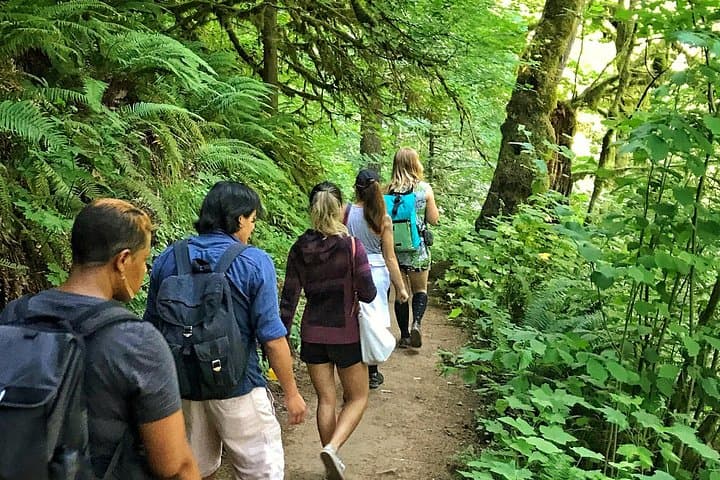
Lose the city for a few hours without leaving it: this 5-mile, 900-foot-gain Forest Park loop threads old-growth pockets, city viewpoints, and cultural landmarks for a compact taste of Portland’s wild side. Expect moss, roots, and stories.