
What the day feels like
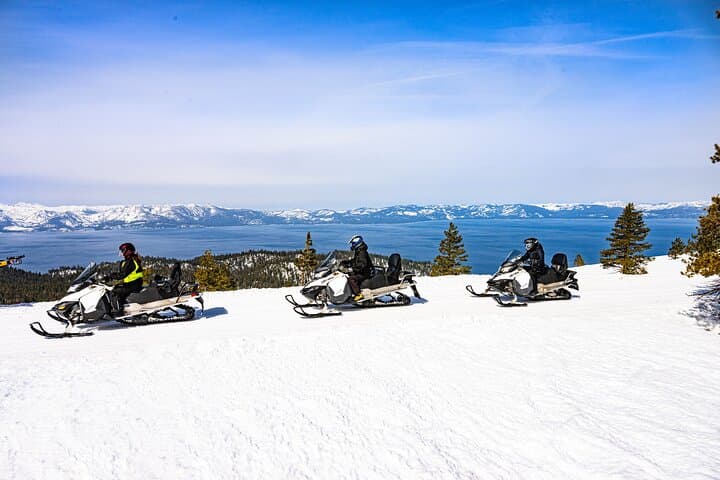
The first breath of cold is sharp, like someone opened the front door to a freezer and left the mountains wide awake. Puffs of steam rise from your gloves as the guide runs through the safety checks, the machines idling like patient animals before a sprint. Within minutes the group slips away from the staging area and into a world that is quieter than a city at dawn: pine boughs heavy with snow, aspen trunks flashing silver, and a horizon where Lake Tahoe sits like a polished coin below. You’re not just driving across snow—you’re negotiating light, shadow, and the steep hush of the Sierra.
Tahoe Lakeview Snowmobiling Tours is designed to be scenic and straightforward: two hours behind a guided sled that takes you from forested meadows to vantage points approaching 9,000 feet. The route favors open ridgelines and wide, groomed corridors where you can feel both the push of the machine and the immensity of the basin. Stops are frequent and purposeful—photo points, quick history talks, the odd lesson in reading tracks. The payoff is always the same: a moment at a rim where the lake fills the valley, its blue intensified by altitude and distance.
Geology and history are part of the ride, even if you only notice them when the guide points them out. Lake Tahoe is an alpine bowl carved by ancient glaciers and uplifted by the Sierra’s fault systems; the steep walls and long beaches you see from the ridge were sculpted by ice and time. The trees—red firs and whitebark pines closer to treeline—hold a winter story of cycles: drought years, heavy snows, and the controlled burns and timber management practices that shaped the forest undergrowth for decades. Indigenous Washoe people have long used these slopes for seasonal travel and resource gathering—your guide will sometimes pause to remind riders of that continuity.
This tour offers an approachable way to experience winter in the high Sierra. It doesn’t require technical backcountry skills, but it does give you a sense of place: how the basin cradles weather, how snowpack changes sightlines, and how small communities—Tahoe City, Truckee, and the outlying lodges—depend on a winter season that pulls people north. There’s a social element to it, too: local guides who grew up wintering the hills, swapping stories and tips while you stretch your legs and warm hands over a thermos.
Practicalities matter here. The trip runs about 120 minutes and is priced from roughly $291.50 per rider; departures are offered morning, noon, and afternoon, with special full-moon rides on schedule during the right nights. The machines climb steadily, so riders reach nearly 9,000 feet—expect thinner air and a faster heart rate on steeper pitches. Most of the mileage is on groomed routes with short, manageable climbs and open meadows; operators limit off-route travel to minimize environmental impact and protect sensitive habitat.
Safety starts with good gear. Helmets and goggles are provided; come with layered insulation, quality gloves, and winter boots. The guides give a short orientation—how to throttle-smoothly, where to look for melt-softened snow, and how to keep a safe distance from other sleds. The machines respond instantly; leaning forward on climbs and keeping a soft grip makes the ride both safer and more fun. If you’re new to a snowmobile, riding as a passenger is a fine option and allows you to watch how the pros read terrain.
Beyond logistics, what makes this ride memorable is pace: there are moments of speed that feel youthful and a few quiet stretches where the valley seems to inhale. Photography is part of the experience—bring a small hand-held camera or a phone in a warm pocket; stops are frequent enough for composition and quick framing. And when the ride is over, the contrast of a hot beverage and muffled conversation at the staging area is a small but perfect ritual.
For travelers planning a Tahoe winter trip, this tour is a practical high-value add-on—two hours of access to terrain many visitors never see, plus guides who place the views in context. Bookings are instant, and operators usually provide the exact meeting point after purchase. If you want a fuller day, ask about combo packages or follow-up activities like backcountry snowshoeing or a scenic drive along the West Shore.
If you’re curious to learn more or reserve a slot, the Tahoe Lakeview Snowmobiling Two-Hour Ride is detailed and bookable through local-experts here: https://app.advcollective.com/local-experts/tahoe-lakeview-snowmobiling-two-hour-ride. That booking link also lists seasonal options—full-moon rides are especially atmospheric—and practical notes on pickup, minimum age, and passenger options.
This is a winter ride that doesn’t demand you be an expert, but it will reward anyone who shows up with curiosity and proper gear. It’s as much about perspective—how a few hours at altitude can recalibrate your sense of scale—as it is about the brief, concentrated thrill of accelerating across an alpine meadow. When the sleds finally idle and you look back at the line of tracks threading the basin, you’ll know why people keep coming back to Tahoe when the world turns white.
Trail wisdom
Small choices, better day.
Layer for Altitude
Temperatures drop with elevation—use a moisture-wicking base, fleece midlayer, and windproof outer shell to stay comfortable.
Protect Your Eyes
Snow glare is intense—bring anti-fog goggles (or use the ones provided) and a spare lens if you wear glasses.
Stay Hydrated
Cold air is dehydrating—sip warm or room-temperature fluids before and after the ride to avoid altitude headaches.
Follow Guide Commands
Guides control pace and spacing—maintain distance and obey hand signals for safety on blind corners and descents.
Local knowledge
Read the place, not just the route.
Watch for native species including Mule deer, Red fox.
Keep an eye out for wildlife during the transition between areas and habitats. Respect distance guidelines.
Operators stick to groomed routes to limit disturbance; guests are asked to stay on designated trails and pack out all waste to protect fragile alpine habitats.
Follow the guide's instructions on size limits, ethical handling, and leave-no-trace practices.
A quiet pullout where aspens frame the lake for unobstructed photos. A short side trail to a windswept ridge with fewer visitors for sunset
Locally recommended viewpoints and quiet spots known best to local operators.
The Lake Tahoe basin was shaped by glacial activity and long inhabited by the Washoe people; the area’s winter recreation history ramped up with mid-20th-century road and resort development.
Maritime roots and regional tradition shape the waterways and working coasts.
Seasonal guide
Four versions of the same landscape.
Spring
Best forDeep late-season snow · Quieter trails · Longer daylight
ChallengesVariable snowpack · Soft afternoon crust · Potential for runoff
Spring offers stable weather windows and softer light—expect melt at lower elevations and firmer snow earlier in the day.
Summer
Best forOff-season scenic driving · Hiking alternative experiences · Wildflowers
ChallengesNo snow for snowmobiling · Limited winter services
Summer is off for snowmobiling—focus instead on alpine hikes, lake cruises, and mountain biking in the basin.
Fall
Best forClear crisp air · Fewer crowds · Golden aspen contrasts
ChallengesEarly ski-season closures · Unpredictable storms
Fall offers dramatic color and quiet trails, but by late season snow can close access—book flexible plans.
Winter
Best forPrime snowmobile conditions · Full-moon rides · Snow-laden scenery
ChallengesCold temps · High demand on holidays · Variable avalanche hazard off-route
Winter is prime for guided snowmobiling—expect steady operations, frequent tours, and the best ridge views.
Operator details
What the booking data adds.
Included
- ✓Helmet
- ✓Licensed Tour Guide
Not included
- —Ski Bib, Jacket, Snow Boots, Gloves (available for rent)
Good to know
- ✓Suitable for all physical fitness levels
Pack with intention
What to bring.
Good to know
Common questions.
The guided Lakeview Tour is approximately two hours from start to finish, including short photo stops.
Plan the edges
The details that make the day easier.
Lake Tahoe is the largest alpine lake in North America and sits at an elevation of approximately 6,225 feet.
After the ride head to Sunnyside Restaurant & Lodge in Tahoe City for lakeside views and hearty fare, or drive to Truckee for craft beer at Truckee Brewing Company and cozy bakeries like Fire Sign Café.
- Closest airport
- Reno-Tahoe International (RNO) ~35–50 miles; typical drive to Tahoe City 50–70 minutes depending on snow; meeting point provided after booking; cell service patchy at higher elevations; no special permits for guided tours but follow operator rules.
Stay on groomed routes to protect subalpine vegetation, avoid disturbing wildlife, and pack out any trash; support operators who follow state land-use guidelines.
Explore by topic
Follow the threads.
Keep exploring
Make the story part of the trip.
In four hours you can move from shaded canyon ferns to wind-scoured coastal ridgelines, guided by someone who knows where the light—and the hidden views—live. This private half-day hike on the Monterey Peninsula or Big Sur is compact, curated, and perfect for travelers who want depth without a multiday commitment.
 Related story
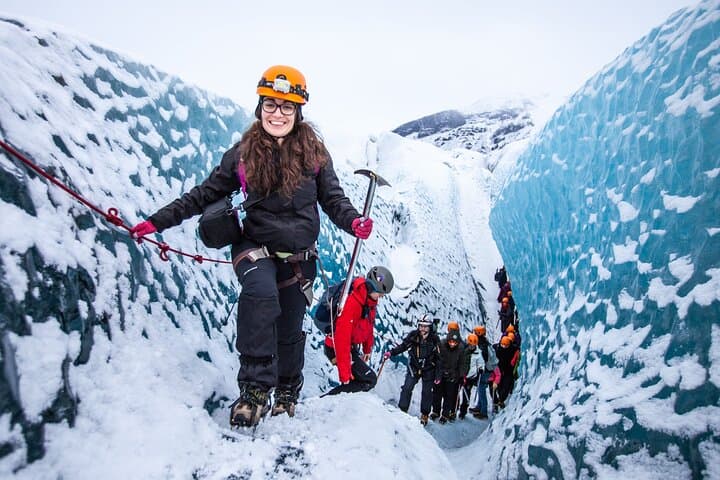
Beneath a sky of shifting light, Skaftafell’s ice reads like a map of time. This three-hour guided glacier hike mixes technical instruction with geology and culture: compact, safe, and unforgettable.
 Related story
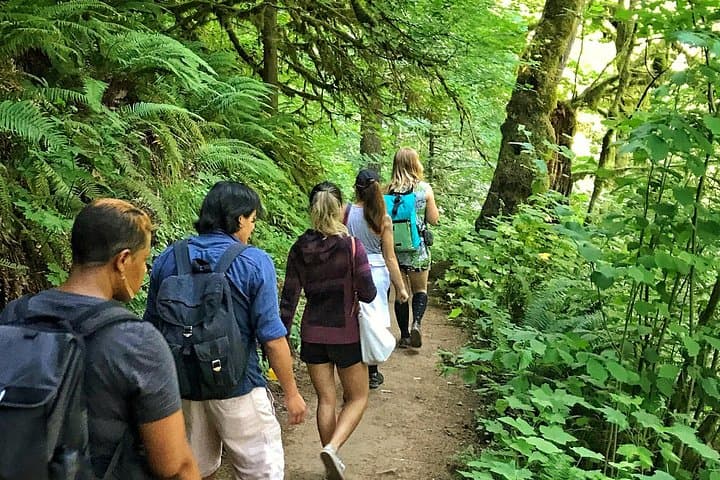
Lose the city for a few hours without leaving it: this 5-mile, 900-foot-gain Forest Park loop threads old-growth pockets, city viewpoints, and cultural landmarks for a compact taste of Portland’s wild side. Expect moss, roots, and stories.