
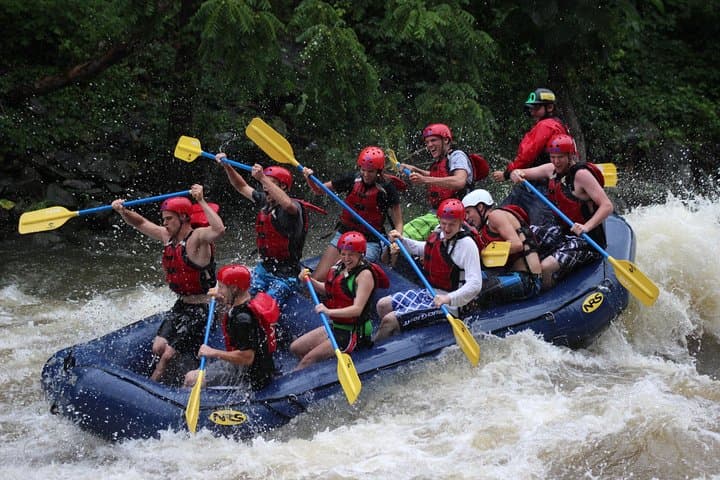
What the day feels like
Fog lifts off the gorge like a curtain and the river answers—fast, compact, impatient. You tie your hair back, tighten your helmet, and the guide checks your life jacket with a practiced, steady hand. The raft slides off the gravel bar and the first swell rolls under you; the Pigeon River grabs your attention with its first honest roar. In ninety minutes you will have chased the current, tipped the scale on a few good Class III–IV drops, and walked away sodden, exhilarated, and peculiarly present.
The Upper Pigeon River is compact power, a concentrated thread of water carved into the western flank of the Smokies. The gorge through which it runs is more than adrenaline terrain; it’s a geologic seam where Blue Ridge granites and metamorphic slates meet water that has been cutting through rock since the last ice age. Timber-cutting and early industry shaped the river corridor in the 19th and early 20th centuries, but the Pigeon—resilient and loud—remained a corridor of wildlife and later a playground for recreational outfitters. Today, commercial rafting trips from Hartford, Tennessee, funnel guests from Gatlinburg and the nearby Smokies for an accessible whitewater introduction.
This is not a polished, sedate float. The rapids here have personality: some will dare you to lean into the paddle, others will push the raft sideways and laugh. Guides here are part river-reader, part conductor; they know how the current will curl, where the hydraulic will sit, and how to stitch a safe line through the teeth of a drop. If you book through a reputable operator you’ll get a short safety talk, the right gear, and precise routing down the fun parts.
Why go? Because it’s efficient—90 minutes of real, active whitewater within a day-trip radius of Gatlinburg and Pigeon Forge—and because it’s honest. This is a perfect first-class whitewater run for people who want something more than a placid float but aren’t chasing expedition-scale commits. The route showcases the river’s intimate canyon scenery: rock walls, pockets of rhododendron, and the occasional high bank where deer have crossed. Water slides and surges put you in the middle of the action without a long approach. It’s a sharp, elemental reminder of how quickly the mountains can move you.
Practicalities matter here as much as appetite. The advertised trip runs about 90 minutes on the water; expect class III to IV rapids depending on season and rainfall. The price point is approachable—starting from around $46 per person—making it a good option for families with older children (operators set minimum age/weight limits; check when you book). Reservations are often instant and many tours offer free cancellation windows—handy if the weather turns or river flows spike.
If you’re driving from Gatlinburg, allow 40–60 minutes for the scenic trip into Hartford and the Pigeon River corridor. Outfitters typically provide life jackets, helmets, and a pre-run safety briefing; bring closed-toe footwear, a quick-dry layer, and a change of clothes for afterward. Expect to get wet—this is part of the point. If you want to document the trip, a small waterproof action camera or a trusted guide with a waterproof camera is your best bet; phone pockets on rafts are risky.
Safety is straightforward: listen to your guide, keep your feet tucked if you’re ejected, and hold the paddle the right way (short side up). River conditions vary: spring runoff pushes flows higher and livelier; summer can drop volumes and reveal more rock features; fall tightens the water into colder, crisper runs; winter trips—rare and cold—need dry suits and a confident heart. Most guests rate this trip highly for accessibility and excitement; operators’ combined guest ratings are consistently strong for this corridor.
The cultural side is easy to fold into your plan. Many rafters make a day of it—breakfast in Gatlinburg, the trip on the Pigeon, then a barbecue or mountain-style diner afterward. Hartford itself is small but sincere; the towns around the Smokies have leaned into hospitality and southern-style plates served with local pride. Consider pairing your rafting with a hike on a nearby trail or exploring the Great Smoky Mountains National Park for a longer, more varied outdoor sampler.
If you’re booking, look for operators that clearly state minimum age and weight requirements, safety protocols, and what they provide. Read reviews—both for safety and for service—and check cancellation policies (many tours offer free cancellation through Viator and similar sellers). For the most up-to-date local booking and guide options, check this local-experts listing for the Upper Pigeon River whitewater rafting experience: https://app.advcollective.com/local-experts/upper-pigeon-river-whitewater-rafting-90-min-gatlinburg-adventure. It’s a practical waypoint in planning a safe, fun outing.
In the end the river will remind you why these places stick in memory. It’s not the brochure-ready vista so much as those split seconds when the raft lifts on a wave and the world compresses to paddle, breath, and water. The Pigeon is impatient, efficient, and candid—qualities that make for an honest whitewater day. Go prepared, listen, and the river will do the rest.
Trail wisdom
Small choices, better day.
Wear Secure Footwear
Closed-toe river shoes or old sneakers prevent foot injuries during launch and if you go for a swim.
Hydrate Before You Go
Bring a water bottle and drink plenty before the briefing—90 minutes of paddling is more demanding than it looks.
Listen to Your Guide
Guides know the rapid lines and safety protocols—following commands is the fastest route to fun.
Pack a Quick-Dry Change
A dry change of clothes and a towel in your car keeps you warm and comfortable after the run.
Local knowledge
Read the place, not just the route.
Watch for native species including White‑tailed deer, River otters.
Keep an eye out for wildlife during the transition between areas and habitats. Respect distance guidelines.
Commercial rafting is regulated to protect the river corridor—pack out what you bring, avoid disturbing shoreline vegetation, and follow guide instructions to minimize impact.
Follow the guide's instructions on size limits, ethical handling, and leave-no-trace practices.
Pull‑off overlooks above the Pigeon River Gorge for short photo stops. Short hikes in Cherokee National Forest on the Tennessee side of the river
Locally recommended viewpoints and quiet spots known best to local operators.
The Pigeon River Gorge served as a corridor for logging and early industry in the 19th and 20th centuries; over time it has been restored and repurposed for recreation.
Maritime roots and regional tradition shape the waterways and working coasts.
Seasonal guide
Four versions of the same landscape.
Spring
Best forHigh water thrills · Lush canyon scenery
ChallengesColder water temps · Higher, faster currents
Spring runoff turns the Pigeon into a livelier run with bigger waves; great for adrenaline seekers but expect colder water and faster flows.
Summer
Best forWarm weather outings · Family groups
ChallengesLower flows some summers · Busy weekends
Summer is popular: warmer air temperatures make the wet exit more tolerable, though flows can be lower—check current river levels.
Fall
Best forCrisp river runs · Fewer crowds
ChallengesColder air and water · Shorter daylight
Fall compresses the season into crisp, scenic days; lower temperatures mean thicker layers but beautiful foliage along the banks.
Winter
Best forSerious cold-weather paddling · Off-season solitude
ChallengesVery cold water · Limited operations
Commercial trips are less frequent; when offered, winter runs require drysuits or heavy insulation and experienced participants.
Operator details
What the booking data adds.
Included
- ✓Equipment included: life jacket, helmet and paddle
Not included
- —Lunch and Snacks are not included
Good to know
- ✓Not recommended for travelers with spinal injuries
- ✓Not recommended for travelers with poor cardiovascular health
- ✓Travelers should have at least a moderate level of physical fitness
- ✓Guests will then meet their personal guide and recieve the necessary equipment Including: life jacket, helmet and paddle.
- ✓After your guide double-checks to make sure all equipment is fitted properly, guests then hop on our bus for a short 10-minute ride to the launching point for your trip.
Pack with intention
What to bring.
Good to know
Common questions.
The on‑water portion runs about 90 minutes; allow 2–4 hours total for check‑in, changing, shuttles, and safety briefings.
Plan the edges
The details that make the day easier.
The Pigeon River cuts a tight gorge through the western Smokies and has been a focus of both early industrial use and later recreational restoration; the Upper Section is a popular regulated rafting corridor near Hartford, Tennessee.
After your run, head toward Gatlinburg or Pigeon Forge for hearty barbecue, smoked pork sandwiches, or a local brewery taproom. Small diners in Hartford serve up down‑home breakfasts for a proper post‑paddle meal—pair a warming coffee with a plate of biscuits and gravy.
- trailhead
- McGhee Tyson Airport (TYS)
- Hartford meeting point; Driving distance from Gatlinburg
- ~40–60 minutes; Cell service: intermittent in the gorge—expect good coverage near towns; Permits or passes: None for the commercial rafting trip, but outfitters require signed waivers at check‑in.
This river corridor is managed for both recreation and conservation—pack out all trash, avoid single‑use plastics when possible, and follow your guide’s instructions to minimize bank erosion and wildlife disturbance.
Explore by topic
Follow the threads.
Keep exploring
Make the story part of the trip.
In four hours you can move from shaded canyon ferns to wind-scoured coastal ridgelines, guided by someone who knows where the light—and the hidden views—live. This private half-day hike on the Monterey Peninsula or Big Sur is compact, curated, and perfect for travelers who want depth without a multiday commitment.
 Related story
Beneath a sky of shifting light, Skaftafell’s ice reads like a map of time. This three-hour guided glacier hike mixes technical instruction with geology and culture: compact, safe, and unforgettable.
 Related story
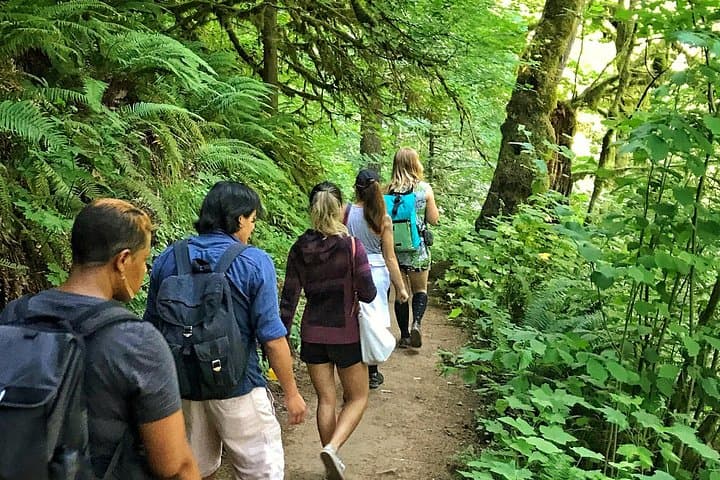
Lose the city for a few hours without leaving it: this 5-mile, 900-foot-gain Forest Park loop threads old-growth pockets, city viewpoints, and cultural landmarks for a compact taste of Portland’s wild side. Expect moss, roots, and stories.