
What the day feels like
The saddle settles with a soft creak as the trail tilts skyward and the coffee fields fall away in tidy green terraces. Morning mist loosens its grip on the Orosí Valley, drifting like a curtain as the mountains wake. A chestnut gelding noses forward, eager; the path narrows to a ribbon along the hillside and the wind sifts the sugarcane, whispering that the ridge is near. This is the rhythm of riding with <a href="https://app.advcollective.com/local-experts/queveri-horseback-riding-tours-sinaloa-mexico">Queveri Horseback Riding Tours</a>—a 1.5–2 hour climb from country lane to panoramic lookout, where volcanoes line the horizon and the valley reads like a map you could fold and keep in your pocket.
The route is simple but never boring. It leaves the farmyard and climbs steadily, switching from shaded lanes to open pastures. The horses—steady, sure-footed, and patient—do most of the work. The trail asks only that you lean with the slope, keep your heels low, and trust. As the farm rises beneath you, the pasture gates click shut, the cows watch from their grassy congregation, and the forest edges wink with motmots and tanagers. Turn after turn, the valley stretches wider until the ride tops out on the highest point of the finca, a small saddle of earth where the sky takes over.
From here, the land explains itself. To the north, the Central Volcanic Range breaks the skyline: Poás and Barva broad-shouldered in the distance; to the east, Irazú and Turrialba face you head-on like twin sentinels. On clear, trade-wind mornings, all four show themselves. When the clouds swagger in, two or three volcanoes step forward, the rest teasing behind veils. Their ash has fed these slopes for centuries, a quiet gift that made the Orosí basin one of Costa Rica’s most fertile valleys. Coffee thrives. So do the people who tend it.
Below, the valley funnels toward Purisil and the Tapantí massif—verdant, steep, and deeply watered. Tapantí–Macizo de la Muerte National Park, just up the road, guards the headwaters that slake Cartago and much of the Central Valley. You feel that closeness to wilderness on this ride. The wind is always on the move. Swallows tilt and dive overhead. The trail, confident and compact, nudges you along as if it knows you need to make time to linger at the top.
Back at the farm, the ranch life carries on. You might swing by the old dairy, where calfs nose your hands and the day’s chores hum in the background. You dismount into the smell of warm earth and fresh forage, and the hosts hand you a fruit batido—cold, sweet, and earned. Coffee follows, as it should in a valley built on beans. The pace then slows to the speed of conversation, with lunch available at La Fonda del Alto after the ride: a homestyle plate that tastes like the slope you just climbed—simple, hearty, and grown nearby.
For travelers who love their adventure with a practical frame, this is an easy add to a Costa Rica itinerary. The ride is short enough to fit between morning birding and an afternoon soak in Orosí’s hot springs, but full enough to ground you in place. Beginners are welcome; the horses are patient teachers. Kids aged four and up can ride, provided an adult joins. And while the view is the prize, the route’s charm is in the details: the way the path curls through coffee rows, the steady clip of hooves on lava rock, the way the valley keeps revealing itself in stages.
Timing matters. Mornings often bring the clearest skies; by midday, clouds boil up from the Caribbean and vault the ridgeline. In the green season, the mountains love a daily shower—bring a light shell and ride early. In the dry months, dust kicks up on the lower tracks; a neck gaiter earns its space. Long pants and closed-toe shoes will keep you comfortable in the saddle. Sunscreen is mandatory here; even thin cloud can burn. A small bottle of water in the saddlebag stays cool in the shade.
The cultural notes are as rich as the landscape. Orosí holds Costa Rica’s oldest functioning church, a 1743 adobe chapel that still anchors the valley. Sabanero culture—horsemen and women who know these hills like family—threads through the communities. On a ride with <a href="https://app.advcollective.com/local-experts/queveri-horseback-riding-tours-sinaloa-mexico">Queveri</a>, you’re not simply moving through scenery; you’re passing through a working landscape that feeds a nation and carries stories in every gate and grove. The mountains here aren’t shy. They call out rain in the afternoons, and they dare you to look further than the next bend.
It’s an approachable kind of adventure: generous with its views, honest in its terrain, and anchored in real, local life. If you’re the traveler who wants more than a scenic overlook—who wants to feel a place through its rhythm and work—this ride belongs on your list. Book ahead, bring your curiosity, and let the hill learn your name. The trail will happily oblige. And when the wind pushes you toward the ridge and the volcanoes step forward, you’ll know why this valley keeps riders coming back. To plan and reserve, connect directly with the hosts via <a href="https://app.advcollective.com/local-experts/queveri-horseback-riding-tours-sinaloa-mexico">Queveri Horseback Riding Tours</a>—and ride the line where farm and sky shake hands.
Trail wisdom
Small choices, better day.
Ride early for the best views
Morning departures often deliver the clearest volcano sightings before clouds roll in.
Wear long pants and closed-toe shoes
Protect your legs from brush and stay secure in the stirrups on the steeper segments.
Pack a light rain shell
Green-season showers are common; a compact jacket keeps you comfortable on exposed ridgelines.
Respect gates and livestock
Follow your guide’s lead when passing through pastures and always close gates behind you.
Local knowledge
Read the place, not just the route.
Watch for native species including Blue-crowned motmot, White-faced capuchin (occasional in nearby forest edges).
Keep an eye out for wildlife during the transition between areas and habitats. Respect distance guidelines.
These hills feed the Tapantí watershed—ride on established paths, respect livestock areas, and pack out all trash to protect soil and streams.
Follow the guide's instructions on size limits, ethical handling, and leave-no-trace practices.
The old dairy at the finca, where you can see calves up close. A short detour to the Orosí church (1743), the country’s oldest functioning church
Locally recommended viewpoints and quiet spots known best to local operators.
Orosí Valley’s colonial roots trace to early Spanish settlement, with the 18th-century church still anchoring community life amid coffee estates.
Maritime roots and regional tradition shape the waterways and working coasts.
Seasonal guide
Four versions of the same landscape.
Spring
Best forClear morning vistas · Stable trail conditions
ChallengesHot midday sun · Occasional early rains
Late dry season transitions to green; mornings are bright with increasing afternoon sprinkles.
Summer
Best forLush green hillsides · Wildlife activity
ChallengesDaily afternoon showers · Cloud-obscured volcanoes
Green season brings vibrant growth and predictable rain—ride early and pack a shell.
Fall
Best forQuiet trails · Dramatic cloudscapes
ChallengesWettest months · Muddy lower sections
Expect frequent rain and soft ground; views come in dynamic bursts between showers.
Winter
Best forCrisp volcano views · Drier trails
ChallengesDust on lower roads · Stronger sun exposure
Peak dry season offers reliable riding conditions and sweeping panoramas—bring sun protection.
Pack with intention
What to bring.
Good to know
Common questions.
No. The horses are calm and well-trained, and the route is suitable for beginners with basic guidance from the guide.
Plan the edges
The details that make the day easier.
Orosí is home to Costa Rica’s oldest functioning church, the Iglesia de San José de Orosí, built in 1743.
After your ride and batido, wander Orosí for a soda lunch of casado, then sip estate coffee at a local cafetal. In the evening, pair chifrijo and a cold cerveza with valley views before a soak at one of the area’s hot springs.
- Closest airport
- SJO (Juan Santamaría International). Trailhead: Finca Queveri above Orosí. Drive time: ~1.5–2 hours from San José; ~25 minutes from central Orosí on rural roads. Cell service: Spotty in the hills. Permits: None; advance reservation required.
These pastures sit in the Tapantí watershed; stay on established tracks, close gates, and avoid stream crossings to protect water quality and farm operations.
Explore by topic
Follow the threads.
Keep exploring
Make the story part of the trip.
In four hours you can move from shaded canyon ferns to wind-scoured coastal ridgelines, guided by someone who knows where the light—and the hidden views—live. This private half-day hike on the Monterey Peninsula or Big Sur is compact, curated, and perfect for travelers who want depth without a multiday commitment.
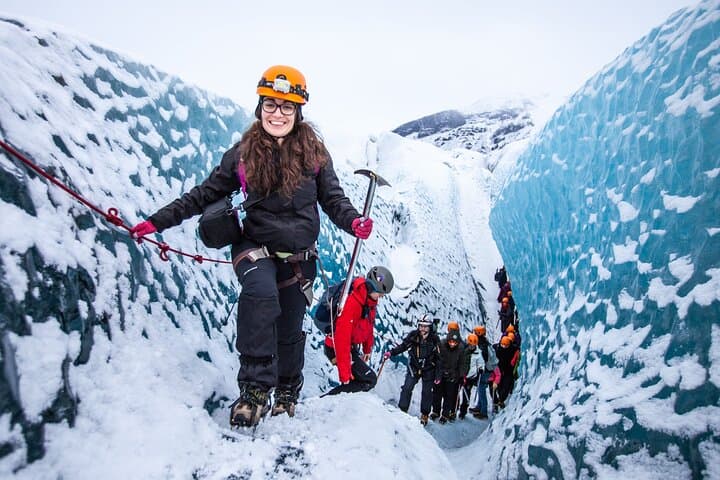 Related story
Beneath a sky of shifting light, Skaftafell’s ice reads like a map of time. This three-hour guided glacier hike mixes technical instruction with geology and culture: compact, safe, and unforgettable.
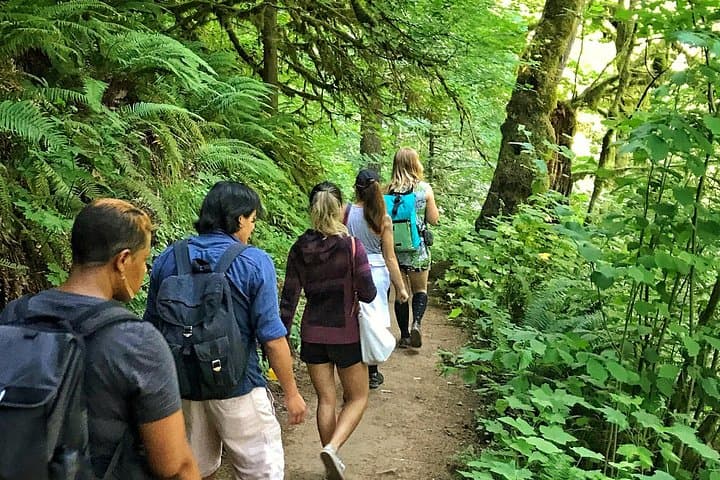 Related story
Lose the city for a few hours without leaving it: this 5-mile, 900-foot-gain Forest Park loop threads old-growth pockets, city viewpoints, and cultural landmarks for a compact taste of Portland’s wild side. Expect moss, roots, and stories.