

What the day feels like
You crest a low beech ridge and the forest pulls back as if by a curtain. Before you a serrated lip of limestone stakes the sky—sheer, white, and impossibly thin. Wind threads through the gaps and the main ridge of Piatra Craiului, a 22‑kilometer spine of craggy teeth, seems to dare you to follow its razorback line. This is Transylvania measured at its most elemental: a place where karst limestone folds into narrow saddles, meadow bowls hide shepherd huts, and gorges dump pure, iced water into stepping streams.
Few European mountain landscapes wear risk and gentleness so closely. The day begins in the Zărnești basin: shepherds lead small flocks across meadows while the distant silhouette of Bucegi keeps vigil. From Zărnești you can slip into the Prapastiile Zărneștilor—Zărnești Gorge—where 100‑meter cliffs press inward, making the trail feel almost cathedral‑like. Hike up through beech and mixed forest, and the terrain eases into Zanoaga Meadow. The Curmătura Chalet sits like a small refuge on the shoulder at about 1,470 meters—offering soup, bread, and the slow, reliable comfort of mountain hospitality.
Piatra Craiului’s story is written in stone. Geologically it’s karst: limestone that water has eaten into skylights, caves, and dramatic vertical faces. The massif’s main ridge—long and spinal—was shaped by marine deposits and then uplifted and sliced by glacial and fluvial forces. The sharp ridgeline attracts hikers interested in exposed scrambling, and its long crest panoramas reward patience and steady feet. La Om, the park’s high point at 2,238 meters, is the obvious prize: a broad, windblown summit with views that cut across the Făgăraș and Bucegi ranges.
But Piatra Craiului is not only rock. The park is an ecological mosaic: old‑growth beech forests give shade to wildflowers and moss; alpine meadows host tiny endemic orchids; predators—brown bear, wolf, and lynx—still roam the hinterlands, giving the place an untamed undertone. The area’s shepherding culture persists; in summer you’ll find temporary sheepfolds and local farms selling cheese, smoked meats and housemade polenta, a culinary thread connecting human history with the landscape.
Most visitors experience the park on guided day hikes or multi‑day treks that begin from Brașov or the nearby town of Zărnești. A typical day route climbs from Zărnești through the Gorge, up to the Grind refuge around 1,600 meters, then follows the crest to La Om. Expect exposed sections on the ridge and stretches of loose scree—good footwear and head for exposure warnings. Guides are common, and recommended: routes can be deceptively technical, weather turns fast, and the best guides will adjust the route to fit fitness and experience, offering safe passage to peaks like Ascuțit (about 2,150 m) or a gentler traverse to alpine meadows.
Practical numbers matter here. From Zărnești to La Om you’re typically looking at 6–10 hours round trip depending on route choice and pace; elevation gain from the valley floor to summit is on the order of 1,500–1,700 meters if you start low, though staged approaches (parking higher or using Grind refuge as a midpoint) reduce daily vertical. Terrain varies: forest tracks, narrow ridge scrambles, limestone slabs and loose talus. In summer the trails are dry and dusty; in late spring or autumn, snow patches and wet rock demand microspikes and trekking poles.
Timing is everything. Start early to avoid afternoon storms—one of the most persistent hazards—and aim for shoulder seasons like late June‑July for wildflowers, or September for cool days and clearer skies. Bring plenty of water: springs at Botorog and streams through the meadows are drinkable when filtered, but carry more than you think. Footwear should be stiff‑soled hiking boots with good traction; a moderate amount of scrambling on exposed sections makes ankle support important. For exposed ridgelines, a harness and via‑ferrata kit is overkill for most summer routes, but consider them if you plan to follow steeper lines or travel in low visibility.
Beyond the ridge, the region is rich with cultural payoffs. Bran Castle and Râșnov Fortress sit within easy driving distance and provide a stark contrast—the former a tourist magnet with vampire lore, the latter a sturdy medieval hilltop fortress. Closer to the park, small villages cling to traditional mountain life: guesthouses serve cheese from summer pastures, and small‑scale ecotours bring you to local farms where the shepherd’s daily rhythm defines a seasonal economy. Several operators in the area carry an "Eco‑Romania" certification—useful shorthand for trips that emphasize local guides, low‑impact travel, and community benefits.
If you plan a multi‑day trek, reserve huts and guesthouses in advance; Curmătura and Grind refuges fill up during high season. Leave no trace is not a slogan in Piatra Craiului—it's essential. Stick to marked trails, pack out food waste, and avoid disturbing grazing areas. For wildlife viewing, dawn and dusk are best, but keep distance: bear encounters are rare when rules are followed, and the park’s conservation authorities work with guides to minimize human‑animal conflict.
At the end of a full day on the ridge, the reward is not only the view but the slow return to simple things: a bowl of ciorbă, a hot drink at the chalet, the woolly clack of sheep in the twilight. Piatra Craiului asks for effort, offers perspective, and reminds you that some mountains remain stubbornly, refreshingly real—rock that both challenges and shelters, a spine to test your mettle and a meadow to calm the pulse.
If you go, plan a mix of ambition and restraint: choose routes that match your skills, bring a local guide for ridge travel, and leave time to wander the lower trails and villages. The park’s reward is not only the summit; it’s the way the landscape composes itself around you while you move—trail by trail, ridge by ridge—through one of Transylvania’s most compelling wild places.
Trail wisdom
Small choices, better day.
Start before dawn
Begin hikes early to avoid afternoon storms and secure shelter at popular huts like Curmătura.
Filter your water
Natural springs such as Botorog are drinkable when treated—carry a filter or purification tablets.
Wear stiff‑soled boots
Expect loose scree and exposed limestone slabs—boots with ankle support reduce risk.
Hire a local guide for ridgeline routes
Guides know current conditions, safe lines on exposed sections, and local wildlife etiquette.
Local knowledge
Read the place, not just the route.
Watch for native species including chamois (capra ibexiformis), brown bear.
Keep an eye out for wildlife during the transition between areas and habitats. Respect distance guidelines.
The park supports ecotourism initiatives (Eco‑Romania certified tours) and emphasizes low‑impact travel to protect fragile karst habitats and large carnivores.
Follow the guide's instructions on size limits, ethical handling, and leave-no-trace practices.
La Table meadow (junction with quieter trails). Shepherd summer pastures near Grind with fresh local cheese stalls
Locally recommended viewpoints and quiet spots known best to local operators.
Local shepherding shaped the landscape—transhumance routes and traditional cheese‑making continue to link villagers with the high pastures.
Maritime roots and regional tradition shape the waterways and working coasts.
Seasonal guide
Four versions of the same landscape.
Spring
Best forwaterfalls · wildflowers in lower meadows · fewer crowds
Challengeslate snow patches · muddy trails · unpredictable weather
Snow can linger at higher elevations; lower trails burst with spring blooms and water levels are high—good for photography but bring gaiters.
Summer
Best forfull ridge traverses · alpine meadows · long daylight hours
Challengesafternoon storms · crowds at huts · hot valley temperatures
Stable weather makes summit attempts most practical in July–August, but start early to avoid thunder.
Fall
Best forclear views · autumn color · stable weather windows
Challengesshorter daylight · cool nights · early snow at high elevations
September and early October offer crisp air and clearer light—ideal for photographers and ridge days.
Winter
Best forsnow landscapes · ski mountaineering for experts · solitude
Challengesavalanche risk · ice on ridges · closed huts
Winter trips require mountaineering experience and gear; most regular trails are unsafe without crampons and avalanche training.
Pack with intention
What to bring.
Good to know
Common questions.
No, many valley and meadow trails are well marked, but guides are recommended for exposed ridgeline routes and for route planning in variable weather.
Plan the edges
The details that make the day easier.
La Om, the highest point of Piatra Craiului, reaches 2,238 meters and the park’s main ridge stretches roughly 22 kilometers as a narrow limestone spine.
Taste the mountain: seek fresh sheep cheese and mamaliga at family guesthouses, and visit a seasonal sheepfold to learn traditional shepherding—many tours include a farm lunch.
- Nearest major hub
- Brașov (45 min by car); nearest town: Zărnești; common start points: Zărnești Gorge, Grind refuge; language: Romanian (guides often speak English
Choose Eco‑Romania certified operators, stay on marked trails to protect fragile karst and wildflower communities, and avoid bringing single‑use plastics into the park.
Explore by topic
Follow the threads.
Keep exploring
Make the story part of the trip.
In four hours you can move from shaded canyon ferns to wind-scoured coastal ridgelines, guided by someone who knows where the light—and the hidden views—live. This private half-day hike on the Monterey Peninsula or Big Sur is compact, curated, and perfect for travelers who want depth without a multiday commitment.
 Related story
Beneath a sky of shifting light, Skaftafell’s ice reads like a map of time. This three-hour guided glacier hike mixes technical instruction with geology and culture: compact, safe, and unforgettable.
 Related story
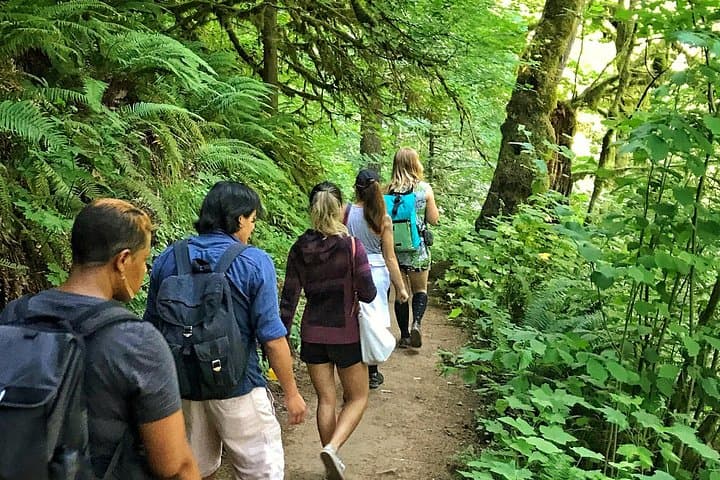
Lose the city for a few hours without leaving it: this 5-mile, 900-foot-gain Forest Park loop threads old-growth pockets, city viewpoints, and cultural landmarks for a compact taste of Portland’s wild side. Expect moss, roots, and stories.