
What the day feels like
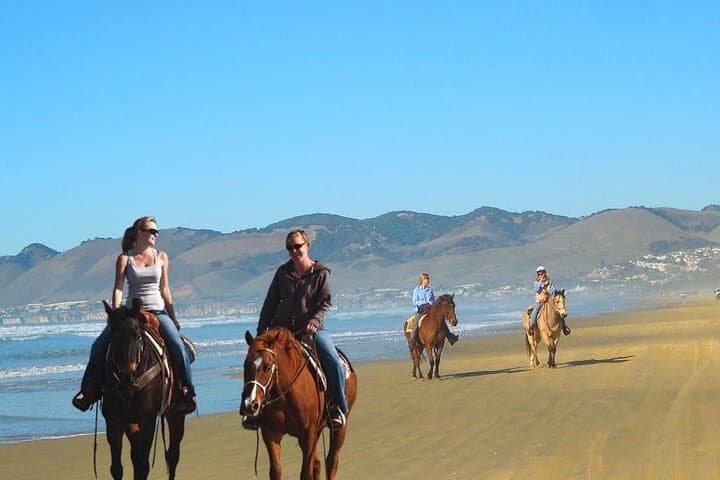
Fog lifts like a curtain as Highway 1 rounds a bend above Pacifica, revealing a slate-blue ocean cupped by cliffs. The day starts with the hush of early light and the soft percussion of hooves on damp sand. Your horse squares its shoulders to the Pacific, testing your balance as a breeze presses in from the horizon. The tide has left a runway of hard-packed beach, and the shoreline dares you to lengthen the stride. This is a private, nine-hour arc from sea to trees, a braid of coastal gallop and cathedral-redwood quiet that feels both ambitious and somehow effortless when someone else handles the logistics.
That’s the promise of the Private Redwoods Tour & Horseback Riding Experience—a made-for-you day where saddle time and old-growth immersion share the spotlight. From San Francisco, you trace the storied Pacific Coast Highway past the sea stacks of Devil’s Slide and the fishing skiffs of Half Moon Bay, then step into the Santa Cruz Mountains where redwoods rise like pillars holding up the sky. Because it’s private, the timing flexes with the weather and the tides—to increase the odds of firmer sand for riding, clearer views from the bluffs, and late light slanting through the groves. For travelers who want to skip the bus tour script, this is the Bay Area distilled: salt on the air, duff underfoot, and a road that keeps revealing more.
On the beach, the ride settles into a rhythm, the Pacific’s long inhale and exhale setting your cadence. You feel the horse’s curiosity when a wave reaches farther than expected—then confidence returns as you steer the firmest track near the waterline. Wrens stitch sound through the ice plant above the dunes. Pelicans glide in military precision. The ocean nudges you forward, an amiable coach with a lot to say.
By late morning, the itinerary pivots inland toward the redwoods. Big Basin Redwoods State Park—California’s oldest state park, established in 1902—anchors this part of the day with trails shaded by second-growth and pockets of old giants. The Santa Cruz Mountains’ geology, uplifted and folded over eons, funnels moisture from marine layers into these canyons, where coast redwoods drink fog as much as rain. After the CZU Lightning Complex Fire of 2020, the forest is still in active recovery; sections have reopened with care, and the living mosaic tells a current story of resilience. Charred trunks hold new feathery growth; tanoaks resprout; banana slugs commute like tiny sherpas. It’s humbling, and it’s hopeful.
History threads through the landscape. Long before the conservation movement coalesced here in the early 1900s, these ridges were home to Awaswas-speaking Ohlone people, who knew the watersheds intimately and managed the land with fire and tradition. Later, loggers cut deep into the mountains, and the push to protect what remained helped birth California’s state park system. Today’s private tour sidesteps the bottlenecks of Muir Woods and instead brings you to redwoods that feel more like neighbors than exhibits.
Lunch often unfolds simply: picnic fare at a trailhead or a seafood stop in Half Moon Bay before the forest. Either way, fuel is part of the pleasure on a long day like this. And because the ride is tailored, guides can steer you toward quieter overlooks or short loops—think creekside walking under sword ferns and mossy maples—striking a balance between time in the saddle and time on your feet.
In a destination crowded with options, curation is the real luxury. This outing bundles the essentials—horseback riding fees, day-use access, stops along the coast—so you can focus on the feel of the place rather than the rules of it. If you want the short route to the highlights, it’s hard to beat. When you’re ready to book or compare options, see availability and details on this <a href="https://app.advcollective.com/local-experts/private-redwoods-tour-beach-horseback-riding-from-san-francisco">private redwoods tour with beach horseback riding from San Francisco</a>.
Practicalities matter here. Coastal weather is mercurial; a calm morning can turn to wind by afternoon. Layers are nonnegotiable. The redwood understory holds moisture, so roots can be slick, and the trails reward deliberate steps. Check tides for optimal beach footing—the guides do, but informed guests make better partners in adventure. If you’re prone to motion sickness, the combination of cliffside driving and winding mountain roads deserves advance planning.
Why this day works: contrast and cadence. When the coast leans cool and gray, the forest often brightens. When the inland air heats up, the ocean sends relief. The Pacific pushes, the trees hold. Few experiences let you toggle between the two with such ease. If you’re craving a Bay Area greatest-hits day without the crowds, this is the move. For dates, customizations, and current route notes (including post-fire trail access in Big Basin), check the latest on the <a href="https://app.advcollective.com/local-experts/private-redwoods-tour-beach-horseback-riding-from-san-francisco">Adventure Collective’s private redwoods and beach horseback tour page</a>.
By the time you roll back into the city, the day feels complete: salt still on your skin, redwood scent in your clothes, and the memory of a horse reading the shoreline like a map. It’s not just another photo stop; it’s a sequence that makes geographic sense and leaves you with a clean narrative. Ocean. Forest. Home.
If you want one more excuse to linger, pair this experience with a sunset drink on the coast, dinner in Santa Cruz, or a quiet detour to a bluff trail you drove by that morning. The Bay Area rewards curiosity—and this tour leaves just enough room to exercise it. Ready to go? Start planning and reserve your spot via the <a href="https://app.advcollective.com/local-experts/private-redwoods-tour-beach-horseback-riding-from-san-francisco">private redwoods tour & beach ride listing</a>.
Trail wisdom
Small choices, better day.
Time your tide
Low tide provides firmer sand and a wider riding lane on the beach. Check the charts and aim your ride window accordingly.
Layer for fog and forest
Bring a breathable base, warm mid-layer, and a shell—coastal wind and redwood shade can swing temperatures 20°F in a day.
Mind the roots
Redwood trails are beautiful but slick after mist or rain. Wear lugged footwear and step over roots—don’t stride on them.
Ride smart, ride light
Listen to your wrangler, keep hands low and relaxed, and let the horse read the surf—gentle cues go a long way on the beach.
Local knowledge
Read the place, not just the route.
Watch for native species including Harbor seals along the coast, Banana slugs in the redwood understory.
Keep an eye out for wildlife during the transition between areas and habitats. Respect distance guidelines.
Post-fire recovery is ongoing in Big Basin—stay on signed trails and avoid trampling regrowth; on beaches, respect seasonal nesting closures for snowy plovers.
Follow the guide's instructions on size limits, ethical handling, and leave-no-trace practices.
Purisima Creek Redwoods’ Whittemore Gulch switchbacks for a quiet ferny descent. Shark Fin Cove near Davenport for a quick, photogenic bluff walk
Locally recommended viewpoints and quiet spots known best to local operators.
Big Basin, established in 1902, helped launch California’s state park system; the Santa Cruz Mountains remain ancestral homeland of Awaswas-speaking Ohlone people.
Maritime roots and regional tradition shape the waterways and working coasts.
Seasonal guide
Four versions of the same landscape.
Spring
Best forWildflowers on coastal bluffs · Cool, clear hiking under redwoods
ChallengesIntermittent rain · Muddy or slick trails
Expect green hills, crisp air, and some showers; trails and horses do well with the cooler temps.
Summer
Best forConsistent beach riding windows · Long daylight
ChallengesMorning fog and wind · Crowded coast on weekends
Mornings can be foggy and cool, warming by afternoon; the forest stays comfortable even on hotter days inland.
Fall
Best forBluebird coastal days · Stable trail conditions
ChallengesSmoky days during fire season · Occasional access changes
Often the clearest skies of the year with light winds—prime time for views and photos.
Winter
Best forDramatic surf and moody light · Lush, quiet redwood walks
ChallengesStorms and heavy rain · Potential trail or beach closures
Powerful swells and fewer crowds; pack rain gear and build in flexibility for weather-related adjustments.
Operator details
What the booking data adds.
Included
- ✓Bottled water
- ✓Fully private guided tours in luxury vehicles , parking, all taxes and pickup/drop off included
- ✓All Fees and Taxes
- ✓horseback ride and redwood park entrance fees included
- ✓Air-conditioned vehicle
- ✓Complimentary pickup and drop off anywhere in downtown San Francisco, Fisherman’ Wharf, Presidio
Not included
- —Sorry, we cannot transport passengers with disabilities as our vehicles are not equipped for that
- —Tips/gratuities are voluntary payments to your guides as a gesture of appreciation for good service
- —Meals
Good to know
- ✓Specialized infant seats are available
- ✓Not recommended for travelers with spinal injuries
- ✓Not recommended for travelers with poor cardiovascular health
- ✓Not recommended for pregnant travelers
- ✓Public transportation options are available nearby
- ✓Travelers should have at least a moderate level of physical fitness
- ✓Complimentary pickup and drop off anywhere in downtown San Francisco, Fisherman’s Wharf, Presidio, Mission District, Nob Hill, Japan town, Chinatown, Sausalito. Other location maybe added as well
- ✓Our policy regarding passengers with disabilities: Sorry, our vehicles are not equipped for passengers with disabilities and therefore, our commercial insurance doesn’t allow us to transport persons with any kind of disabilities for the sake of their own safety and well-being
Pack with intention
What to bring.
Good to know
Common questions.
No—beach rides are guided and designed for beginners, with calm, trail-wise horses and instruction before you start.
Plan the edges
The details that make the day easier.
Established in 1902, Big Basin Redwoods State Park is California’s oldest state park and preserves some of the southernmost old-growth coast redwoods.
Post-ride, grab a lobster roll or cioppino at Sam’s Chowder House in Half Moon Bay or a pint at Half Moon Bay Brewing Company overlooking Pillar Point Harbor. If you finish near Santa Cruz, celebrate with scoops at The Penny Ice Creamery or a coastal IPA at Humble Sea Brewing. Both towns lean casual, ocean-forward, and friendly.
- Closest airports
- SFO (50–70 minutes to the coast) or SJC (60–80 minutes to the redwoods). Typical route: San Francisco → Pacifica
- Half Moon Bay → Santa Cruz Mountains and back. Driving
- Expect winding Highway 1 and mountain roads. Cell service: Patchy to none in canyons; good on the highway. Permits: Day-use access included with the tour; horseback ride arranged by your guide.
The Santa Cruz Mountains are recovering from recent wildfires and host sensitive coastal species—pack out all trash, keep horses on designated beach corridors, and stay on marked trails to protect post-fire regrowth and nesting shorebirds.
Explore by topic
Follow the threads.
Keep exploring
Make the story part of the trip.
In four hours you can move from shaded canyon ferns to wind-scoured coastal ridgelines, guided by someone who knows where the light—and the hidden views—live. This private half-day hike on the Monterey Peninsula or Big Sur is compact, curated, and perfect for travelers who want depth without a multiday commitment.
 Related story
Beneath a sky of shifting light, Skaftafell’s ice reads like a map of time. This three-hour guided glacier hike mixes technical instruction with geology and culture: compact, safe, and unforgettable.
 Related story
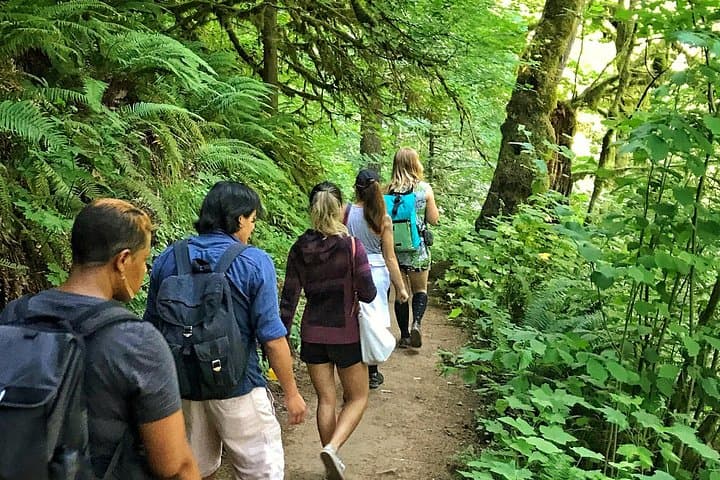
Lose the city for a few hours without leaving it: this 5-mile, 900-foot-gain Forest Park loop threads old-growth pockets, city viewpoints, and cultural landmarks for a compact taste of Portland’s wild side. Expect moss, roots, and stories.