

What the day feels like
You arrive just before dawn. The ferry eases up to Havelock Island and for a few moments the world narrows to the thin line where sky softens into sea. By the time you walk under the green canopy and round the last bend, Radhanagar Beach opens like a held breath: a wide sweep of sugar-white sand, turquoise water that changes tone with every footstep, and a quiet so deep the crashing surf seems to be speaking just to you.
Radhanagar is not loud about its beauty. It persuades. Trees lean in like old friends, their roots braided into the sand. The tide edges forward and retreats as if measuring how bold you’ll be. When the sun lifts, small schools of reef fish flash through the shallows; a few shell-crab pairs scuttle along the tideline, and beyond them, a band of casuarina trees offers shade and a place to watch the world arrive.
This stretch of coast—once simply “Beach No. 7” on Havelock Island—became a destination after international travel writers put it on the map; Time magazine named it one of Asia’s best beaches in 2004. Since then, the beach has balanced a reputation for postcard-perfect vistas with an island rhythm that keeps crowds manageable if you play the timing right.
Geologically the Andaman archipelago is young, a product of the dramatic uplift of the Indian plate against the Burmese plate. The sand here is finely ground coral and shell, washed from nearby reefs and distributed by monsoon currents. Those living reefs—fragile, riotous communities of corals and reef fishes—lie a short swim or boat ride away, which is why many itineraries that bring you to Radhanagar fold in snorkeling and island-hopping options.
Havelock Island (now also called Swaraj Dweep) has a layered history of indigenous cultures, colonial mapping, and modern tourism. The local economy has shifted in recent decades from fishing and coconut cultivation to hospitality and guiding, and you’ll notice small cafés and beach shacks that trade in fresh fish curries, coconut water, and grilled seafood. The island retains a gentle pace; people move with the tide, and you’ll find the best interactions happen when you slow down, ask how a fisher’s morning went, or follow a local trail toward a quieter headland.
Why come here beyond the obvious beauty? Radhanagar works for every kind of traveler. Solo backpackers can stretch out and read under the trees; couples find a sunset that simplifies conversation; families can play in broad shallow water while keeping an eye on small breakers; and environmentally minded visitors can use the beach as a base to learn about the nearby reef ecosystems and local conservation efforts. For active travelers, Havelock’s circuit of beaches—including Elephant Beach to the northeast and the quieter Kalapathar to the south—offers easy day hikes and snorkeling options.
Planning matters. The best light—and the thinnest crowds—are early morning and late afternoon, with sunset being the daily crowd magnet. Ferries run from Port Blair; fast ferries cut the trip down to roughly 90–120 minutes, while government ferries take longer. Several multi-day packages that include Havelock fold Radhanagar into broader island-hopping itineraries, so if you’re short on planning time, a single-day excursion from Port Blair will still let you spend a comfortable morning and early afternoon on the sand.
Practicalities you’ll appreciate: wear reef-safe sunscreen, bring a wide-brim hat and sunglasses, and don’t underestimate sand that reflects heat—light layers and hydration are essential. If you plan to snorkel, a short guided trip to the nearshore reefs will show you parrotfish, butterflyfish, and the occasional sea turtle without needing technical equipment. For photographers, early and late light are forgiving and colorful; midday can be harsh, but the wide beach and clear water remain striking.
There’s a quieter responsibility that comes with this kind of place: protection. The reef is delicate. Avoid standing on corals, use reef-safe products, and take only photographs and memories. Local organizations and guides are increasingly involved in beach cleanups and reef awareness; supporting them with a guide or a small donation helps keep Radhanagar looking like this.
To make the most of Radhanagar: arrive with time, bring good footwear for a short walk through sand and roots, and consider a two-night stay on Havelock to mix beach mornings with snorkeling afternoons. If you want the island scene without the planning, day trips and multi-day packages regularly include Radhanagar in their highlights, but if you can, stay and let the island seal the memory. In travel, some places are loud for a reason; Radhanagar is quietly persuasive. It asks for nothing dramatic—just presence—and it rewards you with a type of calm that’s increasingly rare.
Trail wisdom
Small choices, better day.
Get there early
Sunrise offers cooler temperatures, cleaner water for snorkeling, and far fewer people—aim to arrive within an hour of first light.
Use reef-safe sunscreen
The offshore coral is fragile—choose mineral-based sunscreen and reapply sparingly to reduce runoff onto reefs.
Bring cash and snacks
Local beach shacks take cash for drinks and snacks; ATMs can be limited on the island, especially outside Havelock village.
Respect the tides
Tidal changes can widen or narrow the usable sand fast—watch local tide charts or ask a guide before planning long swims.
Local knowledge
Read the place, not just the route.
Watch for native species including Green sea turtle (occasionally in nearshore waters), Colorful reef fish including parrotfish and butterflyfish.
Keep an eye out for wildlife during the transition between areas and habitats. Respect distance guidelines.
Local groups organize beach cleanups and reef-awareness programs; visitors are encouraged to use reef-safe products and avoid removing shells or corals.
Follow the guide's instructions on size limits, ethical handling, and leave-no-trace practices.
Kalapathar Beach: a quieter rocky headland with tide pools to the south of Radhanagar. Sunset viewpoint near the watchtower: a short walk from the main beach with expansive western views
Locally recommended viewpoints and quiet spots known best to local operators.
Radhanagar was known locally as Beach No. 7 before international acclaim—Time magazine named it one of Asia’s best beaches in 2004, bringing wider attention to the area.
Maritime roots and regional tradition shape the waterways and working coasts.
Seasonal guide
Four versions of the same landscape.
Spring
Best forCalmer seas · Early-season snorkeling · Quieter beaches
ChallengesHigher heat and humidity · Occasional rain squalls
March–May brings warm water and good visibility for snorkeling, but temperatures rise and afternoon rain becomes more common.
Summer
Best forLow-season solitude · Budget travel · Birdwatching onshore
ChallengesMonsoon onset (June onward) · Rough seas and ferry cancellations
June–August is the monsoon window—expect more rain, choppier sea conditions, and intermittent closures of water activities.
Fall
Best forPost-monsoon clarity · Reef recovery visibility · Fewer crowds
ChallengesUnpredictable weather early in season · Limited services as tourism ramps up
September–October sees improving conditions after monsoon; visibility returns but weather can still be variable.
Winter
Best forPerfect snorkeling · Stable weather · Sunsets and beach days
ChallengesPeak-season crowds · Higher prices and booked ferries
November–February is ideal: cooler, dry weather and calm seas—book early for ferries and accommodation.
Pack with intention
What to bring.
Good to know
Common questions.
Take a passenger ferry or a fast private ferry from Port Blair to Havelock Island (Swaraj Dweep). Fast ferries take about 90–120 minutes; government ferries are slower (3+ hours). From Havelock jetty, local taxis or rented scooters will take you to the beach.
Plan the edges
The details that make the day easier.
In 2004 Time magazine named Radhanagar Beach one of the best beaches in Asia, which significantly increased Havelock Island’s profile as a tourist destination.
Havelock’s culinary scene centers on fresh seafood—try crab curry, coconut-based fish stews, and simple beach shacks for grilled fish. Small markets sell handwoven mats and local snacks; friendly guesthouse owners can recommend trusted guides for snorkeling and birding.
- Ferries
- fast 90–120 min
- gov’t 3+ hrs; nearest major hub
- Port Blair; accommodations: guesthouses and beach resorts on Havelock; cash: bring some—ATMs limited; permits: no special tourist permit required for beach access.
Use reef-safe sunscreen, avoid taking shells or corals, support local eco-guides and beach cleanups, and limit single-use plastics during your visit to protect reefs and nesting sites.
Explore by topic
Follow the threads.
Keep exploring
Make the story part of the trip.
In four hours you can move from shaded canyon ferns to wind-scoured coastal ridgelines, guided by someone who knows where the light—and the hidden views—live. This private half-day hike on the Monterey Peninsula or Big Sur is compact, curated, and perfect for travelers who want depth without a multiday commitment.
 Related story
Beneath a sky of shifting light, Skaftafell’s ice reads like a map of time. This three-hour guided glacier hike mixes technical instruction with geology and culture: compact, safe, and unforgettable.
 Related story
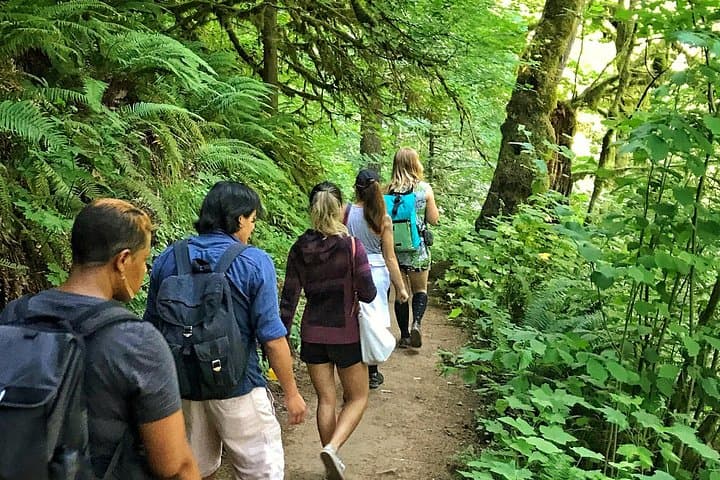
Lose the city for a few hours without leaving it: this 5-mile, 900-foot-gain Forest Park loop threads old-growth pockets, city viewpoints, and cultural landmarks for a compact taste of Portland’s wild side. Expect moss, roots, and stories.