

What the day feels like
At dawn the river is a rule-breaker. It pushes pale light across the glass faces of new towers and pools it into the rusted ribs of old warehouses, catching the cables of a white pedestrian bridge like a string of borrowed stars. Walk the Puente de la Mujer and you feel it: the Río de la Plata is not a background here but a character—restless, pragmatic, seductive—drawing the city eastward. In Puerto Madero the water dares you to reinterpret Buenos Aires: not only as a city of tango and porteno cafés, but as a place that reinvented its own margins.
Once the working docks of Buenos Aires, Puerto Madero sat idle for decades, a maze of derelict piers and warehouses that smelled of oil and seaweed. In the 1990s, a deliberate, sometimes controversial urban makeover began turning those industrial bones into one of the city’s most modern neighborhoods. Today the neighborhood reads like an urban laboratory—concrete pier promenades, restored brick sheds, gleaming high-rises, boutique hotels and high-end restaurants clustered around narrow docks (dique) where yachts rock slowly in the light.
The neighborhood’s signature icon is the Puente de la Mujer, a swooping asymmetric footbridge by Santiago Calatrava that angles like a tango pose across Dique 3. At sunrise photographers collect along its railings; at night the bridge’s silhouette punctuates the dark like a white punctuation mark. Nearby, the Faena Hotel and its bold interiors signal Puerto Madero’s new language of luxury, while converted warehouses now host offices, galleries, and seafood restaurants that draw a mix of business crowds and curious travelers.
Puerto Madero is compact by Buenos Aires standards. The riverside promenade stretches for a few kilometers—flat, paved, and forgiving underfoot—perfect for walking, running, or an easy bike loop. That accessibility is why the neighborhood has become a hub for activity-based tours: short guided architecture walks (many run about 2 hours), four-hour immersive bike tours that cover neighboring barrios including San Telmo and La Boca, and longer all-day cycling experiences that traverse roughly 20 kilometers of city streets and waterfronts. For photographers and portrait seekers, private photoshoots in Puerto Madero offer dramatic backdrops of reflections, bridges, and modern skyline.
What makes Puerto Madero especially satisfying for travelers is how those experiences layer together. A morning architecture walk frames the neighborhood’s resurrection—how old docks were raised into office towers and luxury condos—while a follow-up bike tour opens the rest of the city: cobbled alleys in San Telmo, the painted façades of La Boca, the neoclassical plazas of microcentro. For a single day travelers can go from the intimate history of a reclaimed waterfront to the wider cultural contradictions of Buenos Aires’ barrios.
Practicality is part of the promise. The terrain is flat: expect negligible elevation gain but a mix of surfaces—smooth boardwalks, sections of cobble near the older docks, and city pavement when you head inland. For guided experiences, typical durations run from two hours (architecture walking tours) to four hours (short bike tours) and up to seven hours for immersive all-day cycles; the full-day shore excursion itineraries are stress-tested for cruise passengers with timing built around ship schedules. Bikes—regular and e-bike options—make the 20 km loops accessible to most riders. If you prefer to travel slow, a private photoshoot or a half-day car tour will still let you sample the waterfront’s best angles.
Timing matters. Sunrise and early morning are the golden hours for quiet promenades and reflective cityscapes; late afternoon into sunset is when the river and towers trade colors and restaurants begin to hum. Summer evenings invite alfresco dinners but bring heat and sudden storms; spring and fall are the most comfortable for walking or biking. Safety is high in the main docks and promenades—well-lit and busy—but standard urban caution applies: secure belongings, avoid empty side streets late at night, and keep an eye when cycling on mixed streets.
If you’re packing for Puerto Madero, think layers, sun protection and a camera. Comfortable shoes are a must for cobbles and long pavements; a small water bottle and sunscreen will keep you moving; and a lightweight windbreaker is useful when evening river breezes thicken. Local guides are fluent in English and Spanish and many tours cater to small groups, which makes personalized conversations about architecture, city redevelopment, and where locals go for a late empanada easy to come by.
Puerto Madero isn’t only about the present aesthetic—look for small traces of the city’s past. Plaques recall the docks’ shipping history; old gantry cranes are preserved like relics; and the adjacent Reserva Ecológica Costanera Sur acts as a reminder of the river’s broader ecological role. If your appetite drifts from culture to cuisine, be ready: the waterfront is home to standout parrillas and seafood restaurants where riverside tables are a draw.
Whether you come to shoot skyline reflections, to pedal twenty kilometers across a city that reinvents itself, or simply to sit with a coffee and watch the river pull at the city’s edge, Puerto Madero is a walkable, bikeable, photogenic proof of Buenos Aires’ ability to adapt. It’s an urban shore that invites exploration, and—if you let it—you’ll leave with a clearer sense of the river’s role in reshaping a metropolis.
Trail wisdom
Small choices, better day.
Go at sunrise or sunset
The light on the Puente de la Mujer and along the docks is best early or late, for reflections and fewer crowds.
Bring a refillable bottle
Walking and biking circuits are flat but long—tap water is safe in Buenos Aires; refill when you can.
Wear sturdy shoes
Expect paved promenades and occasional cobbles near restored warehouses—good footwear avoids blisters and slips.
Book a guided bike or photo tour
Local guides know the best light, access points, and quiet docks—great for efficient sightseeing and storytelling.
Local knowledge
Read the place, not just the route.
Watch for native species including great egrets (herons) in the nearby ecological reserve, cormorants and terns along the river edge.
Keep an eye out for wildlife during the transition between areas and habitats. Respect distance guidelines.
Adjacent Reserva Ecológica Costanera Sur preserves wetland habitat—tourists are encouraged to stay on paths and avoid disturbing birdlife; many local operators promote low-impact visits.
Follow the guide's instructions on size limits, ethical handling, and leave-no-trace practices.
Puente de la Mujer at sunrise for empty-light photos. The old gantry cranes and restored warehouses in Dique 2 for industrial-chic architecture shots
Locally recommended viewpoints and quiet spots known best to local operators.
Puerto Madero was a working port in the late 19th and early 20th centuries and underwent major redevelopment starting in the 1990s, transforming rundown docks into the city’s newest neighborhood.
Maritime roots and regional tradition shape the waterways and working coasts.
Seasonal guide
Four versions of the same landscape.
Spring
Best forpleasant walking weather · photography at golden hour · full-day bike tours
Challengesoccasional rain showers · weekend crowds
Spring (Sept–Nov) brings mild temperatures and blooming city parks—ideal for long walks, bike tours and photography sessions.
Summer
Best foralfresco dining · evening promenade · late sunsets
Challengesheat and humidity · sudden thunderstorms
Summer is lively with long evenings and busy restaurants; plan tours early or late to avoid mid-day heat.
Fall
Best forcomfortable bike rides · fewer tourists · clear light for photos
Challengesshortening daylight hours · cooler nights
Fall offers stable weather and comfortable conditions for multi-hour bike circuits and architecture walks.
Winter
Best forquiet promenades · museum visits nearby · lower hotel rates
Challengescool, windy evenings · short days
Winters are cool but mild compared with many latitudes—layers and a windbreaker will keep you comfortable at the water’s edge.
Pack with intention
What to bring.
Good to know
Common questions.
Main promenades and restaurant areas are well-lit and busy; use standard city caution after dark and avoid isolated sections of the docks.
Plan the edges
The details that make the day easier.
Puerto Madero is the newest official barrio of Buenos Aires, redeveloped from disused docks in the 1990s, and the Puente de la Mujer was designed by architect Santiago Calatrava and inaugurated in 2001.
Puerto Madero pairs modern dining—seafood and parrillas—with the city’s immigrant and port history; weekday lunches draw corporate crowds while weekends fill with locals dining al fresco and strolling the docks.
- Know-before-you-go
- flat terrain; promenades are walkable and bike-friendly; best light at sunrise
Choose walking or cycling tours, avoid feeding wildlife in the ecological reserve, support local restaurants and small galleries, and follow marked paths to reduce habitat disturbance.
Explore by topic
Follow the threads.
Keep exploring
Make the story part of the trip.
In four hours you can move from shaded canyon ferns to wind-scoured coastal ridgelines, guided by someone who knows where the light—and the hidden views—live. This private half-day hike on the Monterey Peninsula or Big Sur is compact, curated, and perfect for travelers who want depth without a multiday commitment.
 Related story
Beneath a sky of shifting light, Skaftafell’s ice reads like a map of time. This three-hour guided glacier hike mixes technical instruction with geology and culture: compact, safe, and unforgettable.
 Related story
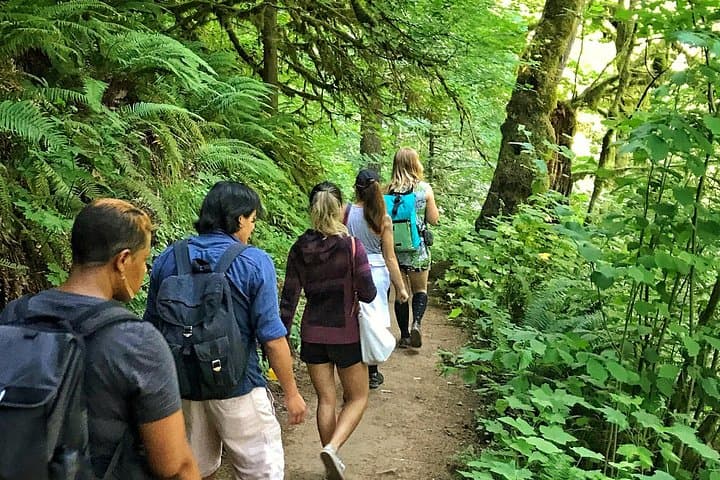
Lose the city for a few hours without leaving it: this 5-mile, 900-foot-gain Forest Park loop threads old-growth pockets, city viewpoints, and cultural landmarks for a compact taste of Portland’s wild side. Expect moss, roots, and stories.