

What the day feels like
By the time the first fishing boats cut into the Hastings River, the coastal path between Town Beach and Tacking Point is already a slow ballet: joggers in bright shirts, gaggles of school kids, dog-walkers pausing to let the surf reclaim a footprint. The air smells like salt and cut eucalyptus, and a lighthouse—white, squat, and stubborn—keeps an eye on everything. This is Port Macquarie: a town that reads like a love letter to the coast, where layered landscapes—river, sand, rainforest—nestle close enough to feel like different pages in the same book.
Start here and the day orders itself simply. Walk west from the town center along the 9-kilometre Coastal Walk, where sandstone cliffs give way to sandy coves and surf that dares you to step closer. The route is generous with views: the Tacking Point Lighthouse perches like punctuation on a promontory, and on clear days the headland sketches a crisp horizon of sea and sky. For a softer hour, the Sea Acres Rainforest Boardwalk moves inland—1.3 kilometres of raised planks and dripping canopy—where palms and lianas play a quieter soundtrack.
Port Macquarie’s natural resume is short and blunt: beaches that work, rivers that welcome, and a small but intensely focused wildlife care culture. The Koala Hospital—one of the region’s proudest institutions—draws visitors not for spectacle but for perspective. It’s possible to see staff dressing wounds and students learning hands-on rehabilitation techniques; the koalas themselves are real and unglamorous, recovering from vehicle strikes and the bewildering effects of habitat loss. That blend of care and candor is typical here: tourism that inclines toward respect.
There’s a human history folded into the coastline, too. The Birpai people are the Traditional Custodians of the Hastings River region; their connection to country runs deeper than the town’s colonial-era lines on a map. Port Macquarie later became a penal settlement in the early 19th century—vestiges of that history live in the architecture and some of the oldest roads—but the place feels more defined by its active present than its past.
Geologically, the mid-north coast is patient. Sandstone cliffs and river flats tell a slow story of sea-level changes and sediment deliveries from the hinterland. As you hike the Coastal Walk you can see those processes at work—headlands resisting erosion, dunes migrating along wind-patterned beaches, and tidal creeks carving their own maps.
Where Port Macquarie really tightens its appeal is in the practical variety on offer. You can spend a morning on the Coastal Walk, an afternoon sampling Hastings River oysters and a locally brewed pale ale on the town wharf, and a golden hour at Lighthouse Beach watching surfers trimming waves. For travelers who prefer to outsource logistics, local operators run private tasting tours of the region’s small wineries and craft breweries—perfect if you want to pair a scenic drive with a lunch of local produce. Longer itineraries use Port Macquarie as a hinge point: multi-day east-coast tours pause here to let you meet the koalas, stock up on beach time, or set off for hinterland hikes.
Practicalities are part of the enjoyment. Trails are generally forgiving—coastal paths are compacted sand or stone, rainforest boardwalks are even underfoot—but sun and wind are relentless in summer and the Hastings River is tidal, which affects access to some beaches. Footwear can be casual but sturdy: closed shoes for track sections, and reef-friendly sandals for sand and rock-pooling. Water and sun protection are non-negotiable; meters of coastline give you a false sense of shade.
If you’re plotting a trip: morning is for the walk and wildlife; afternoon for the river and tasting rooms; late afternoon for the viewpoint at Tacking Point. Seasonally, spring is rich and forgiving—wildflowers, cooler water, active whale season off the headland—while summer is surf and long light, tempered by crowds. Autumn smooths out the temperature and fills the water with clarity; winter is quiet, excellent for birdwatching and inexpensive stays.
Port Macquarie doesn’t demand extremes of gear or fitness, but it rewards attention. Take your time on the trails; the coastline is made for lingering. Pay a visit to the Koala Hospital, not just for the animals but to understand the local conservation ethic. Consider booking a private wine and beer tasting trail to meet producers who treat the Hastings Valley like an ingredient rather than an afterthought. And if you’ve come for solitude, look for smaller coves north of the town—sand and wind hold their own, just a short drive from the wharf.
Travel here is uncomplicated in the way that good coastal towns are: a modest airport nearby, daily trains and buses along the east coast corridor, and a network of small operators who know the rhythms of the place. That accessibility makes Port Macquarie an excellent base: minimal travel friction, maximum variety—river dips, coastal walks, wildlife encounters, and a cafe scene that does well by local seafood.
In the end, Port Macquarie’s charm isn’t theatrical. It doesn’t need to be. It’s the kind of place that slides into your itinerary and stays—a stretch of coastline with a lighthouse, a hospital that heals koalas, a river that keeps the town honest. Travel here for the beaches and the boardwalks, yes—but stay for the way the place composes itself around a quiet, honest kind of coastal life.
Trail wisdom
Small choices, better day.
Time your Coastal Walk for low tide
Sections of the Coastal Walk are easiest at lower tides when beaches are accessible and rock-pools are exposed for exploration.
Visit the Koala Hospital respectfully
Arrive during visiting hours, follow staff guidance, and avoid loud noises—your visit supports care and education, not just photo ops.
Layer for wind and sun
Coastal winds change fast—pack a light windbreaker and high-SPF sun protection even on cool days.
Book a private tasting trail
Private wine and beer tours maximize time at boutique venues and can include local producers off the main tourist loop.
Local knowledge
Read the place, not just the route.
Watch for native species including koalas, shorebirds and migratory waders.
Keep an eye out for wildlife during the transition between areas and habitats. Respect distance guidelines.
The Port Macquarie Koala Hospital leads local rehabilitation and education efforts; dune restoration and responsible viewing practices help protect fragile coastal habitats.
Follow the guide's instructions on size limits, ethical handling, and leave-no-trace practices.
Early-morning rock pools north of Lighthouse Beach where local fishermen look for flathead. Small boutique wineries in the Hastings Valley that open by appointment for tastings and cellar-door lunches
Locally recommended viewpoints and quiet spots known best to local operators.
Port Macquarie began as a penal settlement in 1821 and later developed into a coastal service town; Birpai people are the Traditional Custodians of this country.
Maritime roots and regional tradition shape the waterways and working coasts.
Seasonal guide
Four versions of the same landscape.
Spring
Best forwildflower displays · whale watching · mild hiking conditions
Challengesunpredictable showers · sticky humidity later in season
Spring brings wildflowers and migrating whales; days are generally mild but pack a light rain layer.
Summer
Best forsurfing and beach time · long daylight hours · river kayaking
Challengesstrong sun and heat · increased visitors and busy beaches
Summer is peak beach season—expect crowds, high UV and warm water temps; mornings are best for hikes.
Fall
Best forclear water for swimming · crisp coastal hikes · fewer crowds
Challengescooler evenings · occasional storms from the Tasman Sea
Autumn offers stable weather, great water clarity and quieter trails—ideal for multi-day exploration.
Winter
Best forbirdwatching · budget travel and quiet stays · coastal photography
Challengescooler winds and rougher seas · shorter daylight hours
Winters are cooler and quieter, excellent for photography and wildlife observation—dress warmly for the wind.
Pack with intention
What to bring.
Good to know
Common questions.
The main coastal route between Town Beach and Lighthouse Beach is roughly 9 km one way; many visitors do sections depending on time and fitness.
Plan the edges
The details that make the day easier.
The Port Macquarie Koala Hospital, established in 1973, is recognized as one of the world’s first koala hospitals and continues to rehabilitate koalas injured by vehicles and habitat loss.
Seafood and river fare dominate local menus—look for Hastings River oysters and kingfish; breweries and small wineries emphasize local grains and cool-climate varietals. Community markets feature Indigenous crafts and locally roasted coffee.
- Nearest major city
- Port Macquarie (local airport and rail links). Currency: AUD. Language: English. Visitor services: Koala Hospital, Sea Acres Rainforest Centre, guided tasting tours; book tours in advance during holiday periods.
Support local conservation by visiting the Koala Hospital, following boardwalk rules in rainforest areas to prevent root damage, and choosing operators committed to low-impact wildlife viewing.
Explore by topic
Follow the threads.
Keep exploring
Make the story part of the trip.
In four hours you can move from shaded canyon ferns to wind-scoured coastal ridgelines, guided by someone who knows where the light—and the hidden views—live. This private half-day hike on the Monterey Peninsula or Big Sur is compact, curated, and perfect for travelers who want depth without a multiday commitment.
 Related story
Beneath a sky of shifting light, Skaftafell’s ice reads like a map of time. This three-hour guided glacier hike mixes technical instruction with geology and culture: compact, safe, and unforgettable.
 Related story
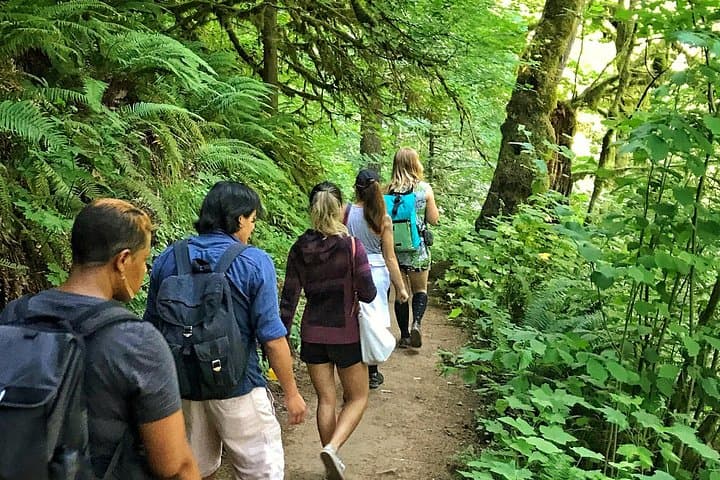
Lose the city for a few hours without leaving it: this 5-mile, 900-foot-gain Forest Park loop threads old-growth pockets, city viewpoints, and cultural landmarks for a compact taste of Portland’s wild side. Expect moss, roots, and stories.