

What the day feels like
You arrive at Počitelj the way most travelers do: from a window seat in a van, the Neretva River snagging sunlight below, terraces and olive groves slipping past as the low stone silhouette of the town comes into focus against limestone ridges. Počitelj doesn’t announce itself with fanfare. It settles into view—the clock tower, a mosque minaret, and a compact clump of stone roofs stacked up a steep slope—then waits. Within minutes of stepping from the vehicle you understand why guides bring people here: the place moves slowly but insists you do the same.
The first footing is a cobbled lane that narrows into alleys, each step a small lesson in Ottoman urbanism. The houses squeeze in, pomegranates and fig trees lean from tiny courtyards, and the pavement pitches upward toward the medieval fortress that crowns the town. The soundscape is not the shout of a tourist mecca but the easier cadence of birds, distant water, and a local dog doing its rounds. Počitelj’s beauty is particular—it’s tactile: limestone worn smooth underfoot, wooden doors that still swing on iron strap hinges, and a clock tower with a face that looks like it’s been counting seasons for centuries.
Počitelj’s compactness is its strength. The town’s stone walls and fortifications were reinforced in the 16th century when the Ottoman Empire fortified border towns across Herzegovina, and much of what you see today—the Haji-Ali Mosque, the Sahat-kula (clock tower), and the fortress above—reflects that period. Geologically, the town sits where karst limestone drops toward the Neretva valley; the dramatic folding and erosion of these carbonates create the steep slopes and sheer-faced bluffs that make the fortress feel like a natural extension of the terrain. The same karst hydrology feeds nearby attractions: the Buna spring at Blagaj and the plunging curtains of Kravice Waterfalls, both regular stops on the day trips that visit Počitelj.
Culturally, Počitelj has always been a crossroads. Its position on trade and military routes means it blends influences: Ottoman craftsmanship, Austro-Hungarian administrative echoes, and the resilient rural Herzegovinian life that endures in the houses and family plots you pass. Local residents still live in the old stone houses; their presence keeps the town more a living village than a preserved museum. That feeling—of a place lived in—is why tours that pair Počitelj with Mostar, Blagaj, and Kravice (common day-trip itineraries from Dubrovnik or Mostar) work so well. You get the concentrated architectural history of Počitelj, the dramatic Ottoman urban fabric of Mostar, and the physical refresh of Blagaj’s spring or Kravice’s swimming pools.
On the practical side, Počitelj is an easy visit but not a casual stroll. Expect to spend 45 minutes to 2 hours exploring the lanes, depending on whether you climb to the fortress and linger at viewpoints. The climb from the town entrance to the fortress is short—roughly 15–30 minutes depending on fitness—but steep and uneven, with narrow stone steps and loose gravel in places. The total elevation gain is modest (on the order of 70–120 meters), but it feels bigger on a hot day. Footwear matters: sturdy shoes with reliable grip will repay you.
Timing is simple: early morning and late afternoon are the best light for photos and the quietest parts of the day. Summer brings heat and the busiest tour traffic—packages that combine Počitelj with Mostar and Kravice or Blagaj are popular and can mean buses in the village by noon. Shoulder seasons—May, June, September—offer the comfortable balance of milder weather and fewer crowds.
Combine your visit: most travelers pair Počitelj with a Mostar stop to cross the Stari Most and wander the Ottoman bazaar, or with Blagaj’s Buna spring to see the Dervish tekke. If you want river time, book an itinerary that includes Kravice Waterfalls—a 30–40 minute drive from Počitelj—where swimming and cliffside cafés give your day a very different tone. Many local operators offer private or small-group tours that let you customize the rhythm: linger longer on the fortress, take a riverside lunch, or skip the busiest hours downtown.
A few final practical tips: bring a refillable water bottle (there’s little shade if you climb), a hat and sunscreen, and a small amount of local currency for modest museum or mosque donations. Respect private property—Počitelj is a living community—and stay on marked paths when exploring ruins above the town. If you have mobility concerns, know the historic center’s narrow lanes and steps are not well adapted to wheelchairs or strollers.
Počitelj is not a place of grand spectacles; its draw is the concentrated clarity of place: an Ottoman hill town that wears its history lightly and lets the limestone geology and Neretva valley set the stage. Whether you’re in a van making a day of Herzegovina’s highlights or taking a purposeful detour from Mostar, Počitelj rewards slow attention. Walk the alleys, climb the steps, and stand on the lookout where the valley opens—there’s a quiet kind of exhilaration in being where stones and water and human hands have met for centuries, and where every narrow view seems to hold another story.
Trail wisdom
Small choices, better day.
Wear grippy shoes
Streets are uneven cobbles and steep stone steps—solid footwear will make the climb to the fortress safe and comfortable.
Hydrate before the climb
Bring at least 1 liter of water per person if you plan to climb to the fortress—shade is limited on the upper paths.
Time your visit
Visit early morning or late afternoon for soft light, cooler temperatures, and fewer tour groups.
Respect residents’ space
Počitelj is a living village—keep noise down, avoid trespassing on private courtyards, and ask before photographing people indoors.
Local knowledge
Read the place, not just the route.
Watch for native species including grey heron along the Neretva, occasionally European otter in quieter river stretches.
Keep an eye out for wildlife during the transition between areas and habitats. Respect distance guidelines.
Local initiatives focus on careful restoration and supporting resident life—visitors can help by staying on paths, using local guides, and avoiding commercial pressure on the old town.
Follow the guide's instructions on size limits, ethical handling, and leave-no-trace practices.
Small terrace viewpoint west of the Sahat-kula for valley panoramas. Pomegranate orchards and family gardens behind the lower houses—great for quiet photos
Locally recommended viewpoints and quiet spots known best to local operators.
Počitelj grew as an Ottoman fortified town in the 16th century; its clock tower, mosque, and fortress reflect that strategic past, and the core is recognized for its historical value.
Maritime roots and regional tradition shape the waterways and working coasts.
Seasonal guide
Four versions of the same landscape.
Spring
Best forcool walks · wildflowers · photography
Challengesoccasional rain · muddy side paths
Spring offers cool temperatures and blooming pomegranate and almond trees—perfect for wandering the alleys with softer light for photos.
Summer
Best forlong days · combining Kravice swims · extended tours
Challengeshigh heat · more tour groups
Summer is busiest and hottest—pair Počitelj with Kravice for a refreshing swim, but plan morning visits to avoid heat and crowds.
Fall
Best formild weather · harvest colors · fewer crowds
Challengesshorter daylight · cooler evenings
Autumn provides comfortable hiking weather and golden light; it’s ideal for combining Počitelj with Mostar and Blagaj on the same day.
Winter
Best forquiet exploration · dramatic skies · off-season rates
Challengescold winds · limited services
Winter is quiet and atmospheric; expect fewer open cafés and a brisk climb to viewpoints, but enjoy the town without crowds.
Pack with intention
What to bring.
Good to know
Common questions.
Allow 45 minutes to 2 hours—30 minutes is enough to see the main sights, but budget extra if you plan to climb to the fortress or linger at viewpoints.
Plan the edges
The details that make the day easier.
Počitelj’s core preserves Ottoman-era architecture including a Sahat-kula (clock tower) and 16th-century fortifications—elements that reflect its role as a strategic stronghold in Herzegovina.
Taste Herzegovina: riverside eateries serve ćevapi and fresh trout; pair it with local wine or rakija, and look for small bakers selling burek and sweet pastries in nearby Mostar.
- Nearest hub
- Mostar (20–45 min drive). Visit length: 1–3 hours. Terrain: cobbled alleys, steep steps. Entrance: free to wander; modest donations suggested for historic sites. Cash: bring local currency.
Stick to marked routes, hire local guides to support the community, avoid single-use plastics, and respect private properties in the inhabited old town.
Explore by topic
Follow the threads.
Keep exploring
Make the story part of the trip.
In four hours you can move from shaded canyon ferns to wind-scoured coastal ridgelines, guided by someone who knows where the light—and the hidden views—live. This private half-day hike on the Monterey Peninsula or Big Sur is compact, curated, and perfect for travelers who want depth without a multiday commitment.
 Related story
Beneath a sky of shifting light, Skaftafell’s ice reads like a map of time. This three-hour guided glacier hike mixes technical instruction with geology and culture: compact, safe, and unforgettable.
 Related story
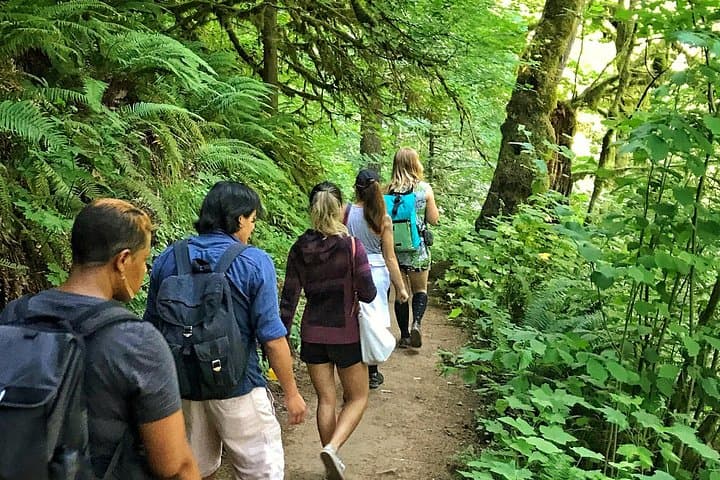
Lose the city for a few hours without leaving it: this 5-mile, 900-foot-gain Forest Park loop threads old-growth pockets, city viewpoints, and cultural landmarks for a compact taste of Portland’s wild side. Expect moss, roots, and stories.