

What the day feels like
The sun pins the first band of gold along the low horizon and Playacar wakes slowly—sand cooling under the shadow of swaying palms, a line of foam that dares you to step closer. Walk the gated promenade before the tour buses arrive and you’ll feel like you’ve borrowed the Riviera Maya for a morning: surf hushing against a shore threaded with coral rubble, joggers slipping past villas trimmed in bougainvillea, and fishermen hauling nets that glint like strings of tiny coins. There’s a deliberate hush here that separates Playacar from the bustle of Quinta Avenida a few blocks north, a calm edged with easy options for getting wet, getting active, or just slowing down to listen to the sea.
Playacar is less a single destination than a seaside neighborhood with a plan—Phase I’s tight grid of low-rise hotels and private homes, Phase II’s leafy gated lanes, a manicured golf course, and a beach that alternates between wide citrus-colored sand and narrow, shell-strewn strips depending on the tide. Geologically, you’re on the Yucatán’s limestone platform: a land of porous rock, shallow coastal reefs, and underground rivers that surface as cenotes a short drive inland. That porous limestone is why the Playa del Carmen coast is so clear—the sea slips through the island’s veins and returns as heartbreakingly turquoise water that begs to be paddled and studied.
The best way to approach Playacar is with a few different paces in mind. Start slow: a dawn beach walk along the eastern edge, where the surf plays in breathless curls and pelicans patrol the shallows like deliberate accountants. For the active traveler, rent a bike from one of the local shops and take the bike path that threads the neighborhood—short, flat, and forgiving—then carry on to the Playacar Golf Club’s perimeter for views across the mangroves. If the water calls, stand-up paddleboarding and gentle snorkeling off the shore are perfectly tuned to Playacar’s calm reef fragments; in the lull between March and June the sea is warm and visibility can be outstanding.
History here is as layered as the beaches. The modern development dates to the 1970s, part of the broader push to turn the Riviera Maya into a tourism corridor. But the human story goes much deeper—the Yucatán peninsula was home to thriving Maya city-states, and the coastline once served as a trade and fishing lifeline for the region’s communities. Today, Playacar wears both identities: a planned resort neighborhood and a living access point to the cultural and natural riches of Quintana Roo.
Practicalities that make a trip here simpler: Playacar sits practically on the edge of downtown Playa del Carmen—five to fifteen minutes by foot to the heart of Quinta Avenida depending on where you’re staying—and roughly a 45-minute drive from Cancún International Airport (about 55–60 km, depending on traffic). Most beaches are public by Mexican law, and in Playacar that means you can stroll the sand even if the beachfront villas are private; still, expect a few gated stretches. Bring cash for small vendors, pay attention to tide shifts when choosing a beach spot, and factor in the region’s seasonal rhythms: winter and spring are dry and popular, while summer brings heat and the possibility of tropical storms.
Why travelers want Playacar: it’s a sweet spot for pairing quiet seaside mornings with the energy of Playa del Carmen’s shops and restaurants. It’s also a practical base for day trips—ferries to Cozumel leave from Playa del Carmen nearby, Tulum and its cliffside ruins are under an hour away, and cenote-rich inland routes are easy to access for a half-day excursion. For families or travelers looking for low-impact activities, Playacar’s beaches, shallow reefs and tree-lined bike paths are both safe and satisfying.
Getting the most from Playacar is a matter of timing and kit. Hit the water at first light for the calmest sea and best snorkel conditions. Wear reef-safe sunscreen—local conservation groups and tour operators are serious about protecting the reef. If you plan a beach day, bring a lightweight beach umbrella for midday shade; even gentle Caribbean sun accumulates. For exploration inland, a short taxi to nearby cenotes will open up dramatic freshwater caves with cool, clear swims—unique to the Yucatán and a welcome contrast to salty sea days.
There’s also a softer cultural rhythm to respect: local fishermen still launch from certain points; turtle nesting can be active on parts of the beach (especially late spring through summer); and local restaurants favor fresh, local seafood with Yucatecan staples like ceviche and cochinita pibil showing up alongside international fare. Support small vendors and ask about the source of seafood—sustainable choices help keep the reef productive for everyone.
Playacar is not an adrenaline playground. There are no vertical climbs or multi-day backcountry routes; its appeal is in accessible movement—walking, biking, snorkeling—and in how conveniently it stages the Riviera Maya’s bigger adventures. Use it as your coastal home base: sleep with the sound of the sea, spend mornings in calm water, afternoons on Fifth Avenue sampling street food or buying a woven tote, and evenings watching fishing boats lantern the dark like anchored constellations.
If you want to complicate the itinerary, add a sunrise ferry to Cozumel for world-class reef snorkeling, or book a guided cenote tour in the afternoon to float through cavern-lights. But there’s real value to a low-key Playacar day: a measured run along the shore, a slow coffee on a sun-washed terrace, a long swim framed by palms and distant reef. This is a place that rewards repetition—return to the same stretch of sand at different hours and the sea will offer new moods.
For travelers who want an easy, thoughtful taste of the Riviera Maya, Playacar is an ideal first course. It’s small enough to feel navigable and private enough to feel restful, yet perfectly positioned to launch bigger days. Plan for sun, pack thoughtfully, and carry a curiosity for the subtle intersections of culture and coast that make the Riviera more than just turquoise water: it’s a living shoreline, and Playacar is one of its most civilized edges.
Trail wisdom
Small choices, better day.
Use reef-safe sunscreen
Protect the reef—apply reef-safe sunscreen 15–20 minutes before entering the water and reapply after swimming.
Start early for calm water
Snorkeling and paddleboarding are best at dawn when winds are light and visibility is highest.
Carry small bills
Bring cash for taxis, beach vendors and tipping—some local vendors don’t accept cards.
Respect nesting areas
If you encounter marked turtle nesting sites, keep a respectful distance and avoid flash photography.
Local knowledge
Read the place, not just the route.
Watch for native species including brown pelican, sea turtle (nesting season).
Keep an eye out for wildlife during the transition between areas and habitats. Respect distance guidelines.
Local groups promote reef-friendly practices—use reef-safe sunscreen, avoid touching coral, and support responsible tour operators to minimize impact.
Follow the guide's instructions on size limits, ethical handling, and leave-no-trace practices.
A quiet dawn stretch of beach east of the golf course popular with locals for shell-hunting. Small artisan stalls just off Quinta Avenida selling hand-painted hammocks and local spices
Locally recommended viewpoints and quiet spots known best to local operators.
Playacar was developed in the 1970s as a planned resort neighborhood adjacent to Playa del Carmen; the coast sits on ancient Maya trade routes and near several significant archaeological sites.
Maritime roots and regional tradition shape the waterways and working coasts.
Seasonal guide
Four versions of the same landscape.
Spring
Best forsnorkeling · beach days · cenote tours
Challengeshigher crowds during spring break · occasional algal blooms
Spring brings warm, clear seas and long sunny days—ideal for snorkeling and beach activities, though expect increased visitor numbers.
Summer
Best forquiet beaches · late sunsets · budget travel
Challengesheat and humidity · rain showers and hurricane season risk
Summer is hot and humid with periodic downpours; good for fewer crowds and lower rates but check tropical weather forecasts.
Fall
Best forsurf watching · dive trips · local festivals
Challengesshorter dry spells · possible storm activity
Fall eases into gentler weather; water remains warm but keep an eye on storm season windows and consider flexible plans.
Winter
Best forcomfortable weather · busy high season · clear water
Challengeshigher prices · busy hotels and tours
Winter is dry and pleasantly warm—excellent visibility and stable seas but expect peak-season crowds and rates.
Pack with intention
What to bring.
Good to know
Common questions.
Playacar is a residential and resort neighborhood with gated areas, but Mexican law guarantees public access to beaches—so you can stroll the shore even if parts of the beachfront are bordered by private properties.
Plan the edges
The details that make the day easier.
The Yucatán’s porous limestone hosts an extensive underground river system—cenotes are freshwater sinkholes formed where the roof of these caverns collapsed and were sacred to the Maya.
Dine on fresh ceviche and Yucatecan favorites like cochinita pibil at small eateries off Fifth Avenue; look for artisan hammocks and handwoven textiles sold by local makers for authentic souvenirs.
- Getting there
- ~45–60 min from Cancún Airport; Access: public beaches despite private developments; Currency: Mexican peso, small bills handy; Safety: standard tourist precautions, avoid unlit beaches at night.
Choose reef-safe sunscreen, avoid single-use plastics, book operators that follow no-contact wildlife rules, and support local food vendors and artisans to ensure tourism benefits the community.
Explore by topic
Follow the threads.
Keep exploring
Make the story part of the trip.
In four hours you can move from shaded canyon ferns to wind-scoured coastal ridgelines, guided by someone who knows where the light—and the hidden views—live. This private half-day hike on the Monterey Peninsula or Big Sur is compact, curated, and perfect for travelers who want depth without a multiday commitment.
 Related story
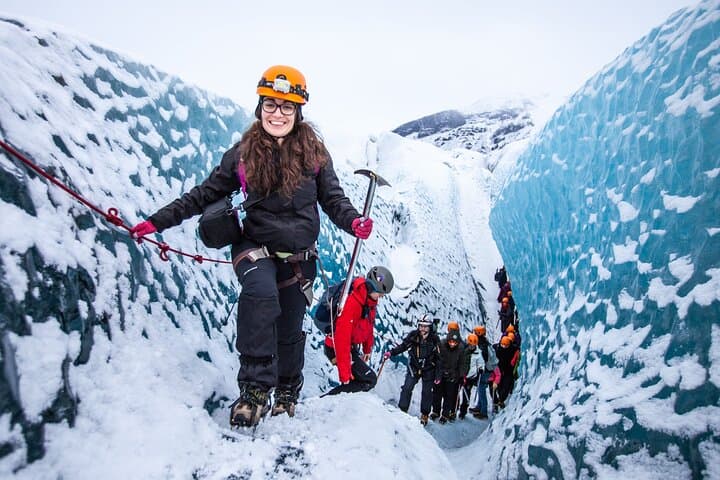
Beneath a sky of shifting light, Skaftafell’s ice reads like a map of time. This three-hour guided glacier hike mixes technical instruction with geology and culture: compact, safe, and unforgettable.
 Related story
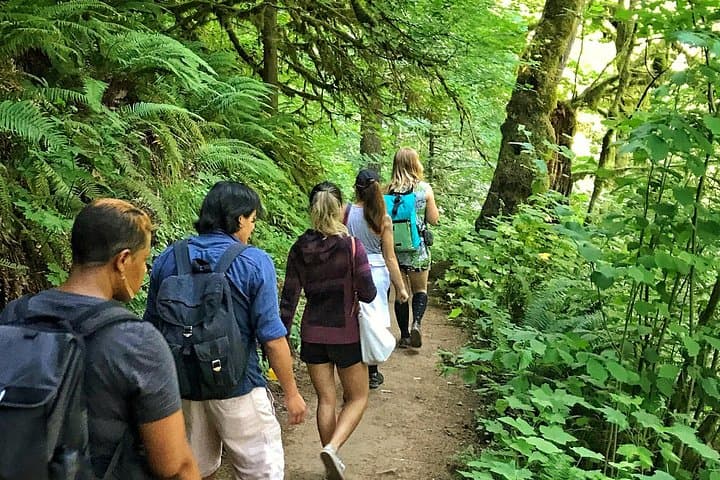
Lose the city for a few hours without leaving it: this 5-mile, 900-foot-gain Forest Park loop threads old-growth pockets, city viewpoints, and cultural landmarks for a compact taste of Portland’s wild side. Expect moss, roots, and stories.