

What the day feels like
You arrive at the edge of Penedès in the quiet, unconventional way most city folk do—by road from Barcelona, windows down, the air turning from diesel and salt to the dry, resinous scent of sun-warmed vines. The vineyards roll like a green sea stitched with rows of trellis wire, and olive trees sit like small, patient sentries at the field edges. Ahead, the serrated silhouette of Montserrat rises from the plain: a rocky spine that reads like a handwritten signature across the Catalan sky.
Penedès is not a single sight so much as an attitude toward the land. It’s where Catalonia makes its fizz—cava—and where farmhouse kitchens still know the recipes that pairs with each bubble. But this region rewards a second look. Between the cellars and the villages, the terrain folds into short, walkable trails and overlooks that make the grape-growing story legible: a mix of limestone ridges, clay soils, and scrubland that pushes vines to find character in compromise.
History sits at the heart of the experience. Winemaking here goes back to Roman times, and the modern cava tradition dates to the late 19th century when families such as Codorníu began experimenting with the méthode champenoise. Small medieval farmhouses—masies—dot the landscape; many have been converted into tasting rooms where you’ll taste cheeses, home-cured meats, and estate olive oils beside a stone hearth. Montserrat itself contributes a different chapter: a mountain monastery founded over a thousand years ago, its basilica home to the Black Virgin and a pilgrimage culture that has resisted being fully tamed by tourism.
Geology gives this place both grit and grace. Montserrat’s peculiar tooth-like peaks are conglomerate sandstone—rounded boulders cemented into soaring columns—carved by weathering into fingers and pinnacles. The vineyards, in contrast, are planted on flatter terraces of clay and limestone; the soils drain differently from plot to plot, producing the subtle acidities and aromatic fingerprints that winemakers argue about with more heat than most things in life.
A day in Penedès can be a tidy, intoxicating package: morning climbs on a short Montserrat trail, lunch in a farmhouse, olive oil tasting in a courtyard, then a cellar tour and a guided cava tasting where the bubbles meet local cuisine. Tours often promise personalized attention—small-group options capped at eight people or private itineraries if you prefer moving at your own pace. For hikers, the Montserrat approach trails give steep but well-marked ascents; a typical route to viewpoints near the monastery is 8–10 km round trip with 500–700 m of elevation gain depending on start point—enough to make a cold glass of cava feel earned.
Practical rhythm matters. Start early to avoid the midday heat in summer and to catch the golden angle of light across the vines. Walk boots and a daypack will carry you through schist and limestone paths; a lightweight wind layer is handy because the mountaintop can be raw even when the valley is mild. Food is local and unapologetically regional: xató and botifarra, cheeses aged on the farm, and simple, brilliant olive oil that tastes of the place where the trees grew.
If you’re curious about how these experiences map to a trip, look for small-group food-and-wine day trips from Barcelona that combine tasting stops with a farmhouse lunch and a winery tour, or opt for a private Montserrat-and-winery day trip that lets you thread a short trail into a cellar visit. The small groups offer sociability and a curated tasting sequence; private guides let you linger at the monastery or linger over one producer whose methods you admire.
The region also rewards slower exploration. Rent a bike and follow minor roads between towns, or seek out family-run cooperatives in Sant Sadurní d’Anoia, where boutique cava houses are carved into the town fabric. Note the conservation efforts: many producers are moving toward dry farming and reduced chemical inputs to preserve water and encourage birds and insects that make a healthy vineyard.
For planning: expect a full-day outing—roughly six to eight hours if you pack in a hike and two tastings. Bring sun protection year-round, and consider booking tastings in advance during harvest (late summer/early fall) when tours are busiest. If you want silence on the trail, aim for shoulder-season mornings.
Penedès is a place of restrained spectacle: the mountain that keeps watch, vineyards that lean into light, cellars that hold the relics of fermentation. It’s not just about tasting wine; it’s about following a trail from rock to glass, noticing how soil and slope make a difference, and how the people here have shaped food and drink around a distinct sense of land. Whether you’re a hiker, a wine lover, or someone who likes good food and better views, Penedès gives you a day that feels complete without being rushed: limestone underfoot, cava in hand, and the serrated bayonet of Montserrat on the horizon.
Trail wisdom
Small choices, better day.
Start early on Montserrat trails
Begin hikes in the morning to avoid midday heat and secure parking or quieter trailheads; morning light also flatters vineyard photos.
Book tastings ahead
Smaller family-run cellars and popular cava houses require reservations, especially during harvest season (September–October).
Pair hikes with tastings
Save the winery visits for after your walk—physical activity sharpens your appetite and makes the cava taste that much better.
Bring reusable water and snacks
Services between villages can be sparse; a liter of water and a few energy snacks keep you comfortable on trail and between tastings.
Local knowledge
Read the place, not just the route.
Watch for native species including wild boar, kestrel.
Keep an eye out for wildlife during the transition between areas and habitats. Respect distance guidelines.
Many producers in Penedès are adopting dry-farming and biodiversity-friendly practices to reduce water use and support pollinators.
Follow the guide's instructions on size limits, ethical handling, and leave-no-trace practices.
Sant Sadurní d'Anoia’s small artisan cava cellars (less crowded than the big brands). The Sant Pau d’Ordal ridge and its little chapel for quiet vineyard panoramas
Locally recommended viewpoints and quiet spots known best to local operators.
Penedès has cultivated grapes since Roman times; the region played a key role in developing cava in the late 19th century when families such as Codorníu applied méthode champenoise.
Maritime roots and regional tradition shape the waterways and working coasts.
Seasonal guide
Four versions of the same landscape.
Spring
Best forblossoming vineyards · mild hiking · olive blossom viewing
Challengesoccasional rain · cool mornings
Spring brings mild temperatures and flowering vineyards—ideal for hiking and quieter tastings before summer crowds.
Summer
Best forlonger daylight · warm terrace lunches · evening festivals
Challengeshigh heat mid-day · busy tourist traffic
Summer is lively and sunny—start early for hikes and schedule cellar tours in the cool morning or late afternoon.
Fall
Best forharvest (vendimia) experiences · photography of changing leaves · full-bodied tastings
Challengesbooked-out tours · variable weather during harvest
Autumn—especially September—is harvest time: a sensory highlight but plan and book in advance.
Winter
Best forquieter cellars · crisp mountain views · seasonal food pairings
Challengesshorter daylight · cooler temps on Montserrat
Winter is quiet and introspective; tastings feel intimate and the mountain has crisp air and long-distance visibility.
Pack with intention
What to bring.
Good to know
Common questions.
Most food-and-wine tours depart Barcelona by minivan or private vehicle; you can also take regional trains to towns like Vilafranca del Penedès and join local tastings from there.
Plan the edges
The details that make the day easier.
Modern cava production in Penedès dates to the late 19th century when families like Codorníu commercialized the traditional method around 1872 (Codorníu archives).
Penedès pairs food and wine with Catalan tradition—expect dishes like xató, charcuterie, artisanal cheeses and extra-virgin olive oil; small family-run tavernas and seasonal markets give the region its flavor.
Support wineries with certified sustainable or organic practices, avoid trampling between vine rows, and opt for operators who prioritize local producers and low-impact transportation.
Explore by topic
Follow the threads.
Keep exploring
Make the story part of the trip.
In four hours you can move from shaded canyon ferns to wind-scoured coastal ridgelines, guided by someone who knows where the light—and the hidden views—live. This private half-day hike on the Monterey Peninsula or Big Sur is compact, curated, and perfect for travelers who want depth without a multiday commitment.
 Related story
Beneath a sky of shifting light, Skaftafell’s ice reads like a map of time. This three-hour guided glacier hike mixes technical instruction with geology and culture: compact, safe, and unforgettable.
 Related story
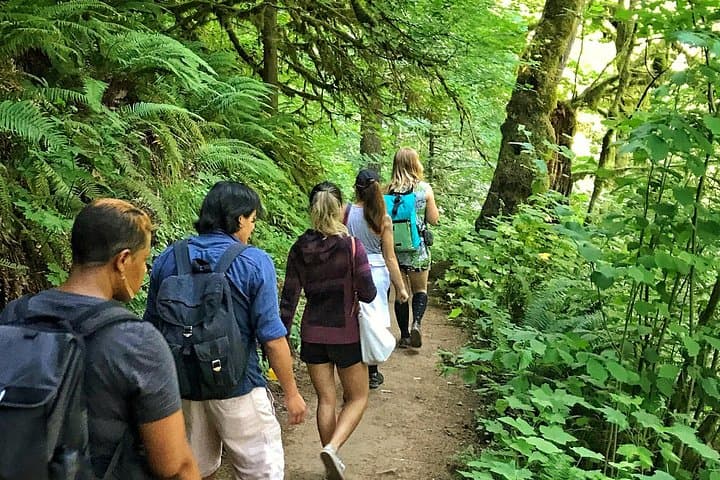
Lose the city for a few hours without leaving it: this 5-mile, 900-foot-gain Forest Park loop threads old-growth pockets, city viewpoints, and cultural landmarks for a compact taste of Portland’s wild side. Expect moss, roots, and stories.