

What the day feels like
You come up through the fog like a promise. The trail through Tijuca’s green skin is a cool tunnel of ferns, bromeliads and the constant drip of condensation; the city’s roar is blunted, muffled, distant. Then the trees thin. The hillside opens and the ocean snaps into view—wide, bright, and serrated by São Conrado’s curve. Wind presses at your back like a hand inviting you forward. This is Pedra Bonita: a carved rock outcrop in Rio de Janeiro’s Tijuca National Park where hikers and fliers meet the sky.
Pedra Bonita is compact and immediate. The hike to the summit is generous for beginners—about 1.5 km round-trip with roughly 140–180 meters of elevation gain—and most people reach the lookout in 30–60 minutes depending on pace and photo stops. From the top you’re not just looking at a postcard; you’re standing in the intersection of city, forest and sea. To the west the Tijuca massif folds into peaks—Pedra da Gávea and Corcovado—while to the east the Atlantic slides toward the shore. The vantage is one of Rio’s most intimate: a rooftop above neighborhoods, a place where the city and wilderness rub elbows.
That marriage of urban life and reclaimed forest is part of Pedra Bonita’s story. Tijuca National Park is often described as one of the world’s largest urban forests—what exists there today is largely the result of 19th-century reforestation efforts ordered to protect watersheds and stop soil erosion after a period of aggressive deforestation. The park’s trails, peaks and wildlife are a living, public reclamation project: a green lung stitched into a sprawling metropolis.
Geologically the area is granite and gneiss, deeply weathered slabs carved by millions of years of rain and wind. The cliffs and rounded tors that make for dramatic takes-off are resilient stone: solid platforms that attract more than just hikers. Pedra Bonita is one of Rio’s best-known launch sites for hang gliding and paragliding—commercial tandem flights lift here each day when the wind plays fair. On a good day small specks of color sail off the cliff and unfurl like kites over the trees, drifting out toward São Conrado Beach where many flights land.
There are two ways to experience Pedra Bonita. The first is simple and honest: hike with a small-group guide and a light pack, move through forest scents and sudden views, and reward yourself at the lookout with a quiet minute of perspective. The second is to let someone else do the flying: tandem paragliding experiences lift novice flyers into the air for a 8–20 minute glide—long enough to feel the buoyancy of air and short enough to leave you wanting to come back. Local operators frequently pair the flight with 4K video or professional drone footage so you can remember both the adrenaline and the geometry of the city below.
Combine those options with a jeep or eco-tour and the day becomes a fuller story. Multi-stop trips through Tijuca often include the Myrtle-lined Vista Chinesa, waterfall pools for a cooling dip, and a stop at lesser-known lookouts where a local guide points out medicinal plants, howler monkeys and the hidden streams that keep Rio green. Many small operators emphasize stewardship: they run small groups, educate about wildlife, and limit off-trail wandering.
Practical: the trail is beginner-friendly but not flat—expect roots, occasional rock scrambling and steps. Good trail shoes, water and light layers are enough for most people. If you’re going to paraglide, bring a secure phone pocket (or leave the phone to the pilot), sunglasses and a willingness to trust your pilot: reputable companies provide helmets, harnesses, and a pre-flight safety briefing. Flights are weather-dependent; mornings and late afternoons tend to have calmer winds and better light for photos. Weekends and holidays fill fast—book ahead if you want a specific time slot or a drone package.
Safety and etiquette matter here. Tijuca is a protected area—stick to the trail, don’t feed wildlife, and carry out any trash. Drones are regulated; some tour operators offer their own drone footage legally, but independent flying is often restricted. For paragliding, choose operators with clear safety protocols and local certifications; the landing zones at São Conrado require coordination with local teams.
For photographers, this is a varied playground. Golden hour softens the city; mid-day light brings contrast across the ocean; and soaring birds—or paragliders—create foreground interest. If you plan to shoot from the summit, move off the narrow lookout ledge to avoid crowding and be mindful of wind at the edge. If you’re booking a guided hike with a photo package or a jeep tour that includes a photographer or drone, you’ll return with images that capture both scale and intimacy.
Pedra Bonita doesn’t ask for heroics. It offers access: a quick trail that rewards with a big perspective, a launchpoint for a flight that makes Rio feel small, and a reminder that wild places can survive and thrive, even inside a megacity. Whether you come for a sunrise hike, a tandem flight, or a jeep-and-waterfall day in Tijuca, you’ll leave with the peculiar, soft-edged confidence of someone who’s seen a city from above and felt the wind decide their direction.
If you go: plan for early starts or late afternoons to avoid midday heat and crowds; consider an experienced guide who can combine Pedra Bonita with Vista Chinesa or a waterfall stop; and, if flying, verify the operator’s safety record and what’s included in the price (transport, photos, and insurance vary). In Rio, the best view is often the one you earned, but here the rewards come fast: a short hike, an open sky, and a city beneath you that suddenly reads like a map of a life you’re only beginning to understand.
Trail wisdom
Small choices, better day.
Go early or late
Start at sunrise or late afternoon to avoid crowds and catch the best light; mid-day is hot and busy.
Wear grippy shoes
Expect roots, damp rock and short scrambles—light hiking shoes or trail runners work best.
Book paragliding in advance
Flights are weather-dependent and often sell out on weekends—reserve your slot and confirm the meeting point with the operator.
Respect wildlife and rules
Stick to trails, don’t feed animals, and check drone regulations—some operators provide legal drone footage.
Local knowledge
Read the place, not just the route.
Watch for native species including marmoset and capuchin monkeys, toucans and native forest birds.
Keep an eye out for wildlife during the transition between areas and habitats. Respect distance guidelines.
Stick to marked trails, avoid feeding wildlife, and choose small-group operators that practice leave-no-trace and limit off-trail access.
Follow the guide's instructions on size limits, ethical handling, and leave-no-trace practices.
Vista Chinesa lookout—fewer crowds and a classic panoramic view. A small waterfall pool deeper in Tijuca—perfect for a post-hike dip (ask guides for access)
Locally recommended viewpoints and quiet spots known best to local operators.
Tijuca National Park was largely replanted in the 19th century to restore watersheds after deforestation; today it stands as a revived urban forest.
Maritime roots and regional tradition shape the waterways and working coasts.
Seasonal guide
Four versions of the same landscape.
Spring
Best forclear skies · paragliding · wildflower blooms
Challengesvariable rain showers · stronger winds some days
(Sept–Nov) Spring brings warm days and generally good flying conditions; mornings are calm and views crisp.
Summer
Best forlush forest · waterfall dips · longer daylight hours
Challengeshigh heat and humidity · afternoon storms · crowds
(Dec–Feb) Tijuca is at its greenest; plan early starts and carry extra water to beat heat and stormcell buildups.
Fall
Best forstable winds · clear visibility · fewer tourists
Challengesoccasional rain fronts · cooler mornings
(Mar–May) Fall offers steady conditions for flights and great air clarity—ideal for aerial photography.
Winter
Best forcrisp air · lower humidity · quiet trails
Challengesshorter days · cooler mornings
(Jun–Aug) Dry winter months typically mean clear skies and calm winds—prime for paragliding and long views.
Pack with intention
What to bring.
Good to know
Common questions.
The trail is about 1.5 km round-trip with roughly 140–180 m of elevation gain; most visitors take 30–60 minutes depending on pace.
Plan the edges
The details that make the day easier.
Pedra Bonita is a popular launch site for tandem paragliding and offers direct flights that commonly land on São Conrado Beach, providing a unique urban-to-sea flight corridor.
Pair your hike with a São Conrado beach meal—fresh seafood, a caipirinha, and late-afternoon roda de samba give context to the day’s perspective.
- Trail
- ~1.5 km round-trip; time: 30–60 min; paragliding: 8–20 min flight; transport: many tours pick up in Zona Sul; bookings recommended on weekends.
Support guides who operate small groups, obey park drone rules, and contribute to conservation fees; follow leave-no-trace and avoid feeding wildlife.
Explore by topic
Follow the threads.
Keep exploring
Make the story part of the trip.
In four hours you can move from shaded canyon ferns to wind-scoured coastal ridgelines, guided by someone who knows where the light—and the hidden views—live. This private half-day hike on the Monterey Peninsula or Big Sur is compact, curated, and perfect for travelers who want depth without a multiday commitment.
 Related story
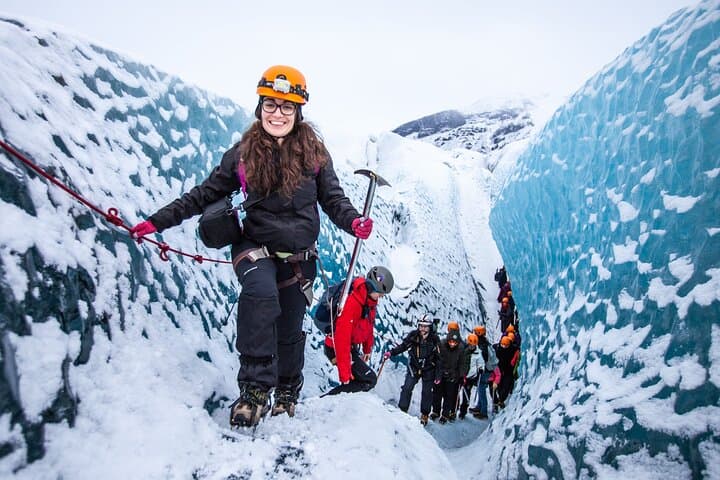
Beneath a sky of shifting light, Skaftafell’s ice reads like a map of time. This three-hour guided glacier hike mixes technical instruction with geology and culture: compact, safe, and unforgettable.
 Related story
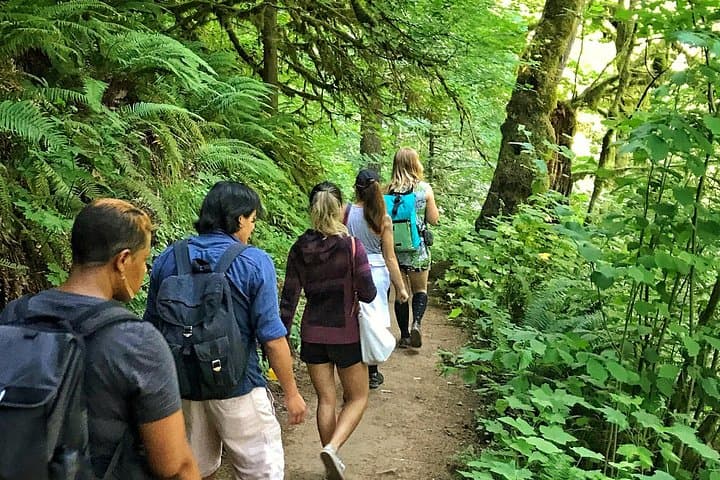
Lose the city for a few hours without leaving it: this 5-mile, 900-foot-gain Forest Park loop threads old-growth pockets, city viewpoints, and cultural landmarks for a compact taste of Portland’s wild side. Expect moss, roots, and stories.