
What the day feels like
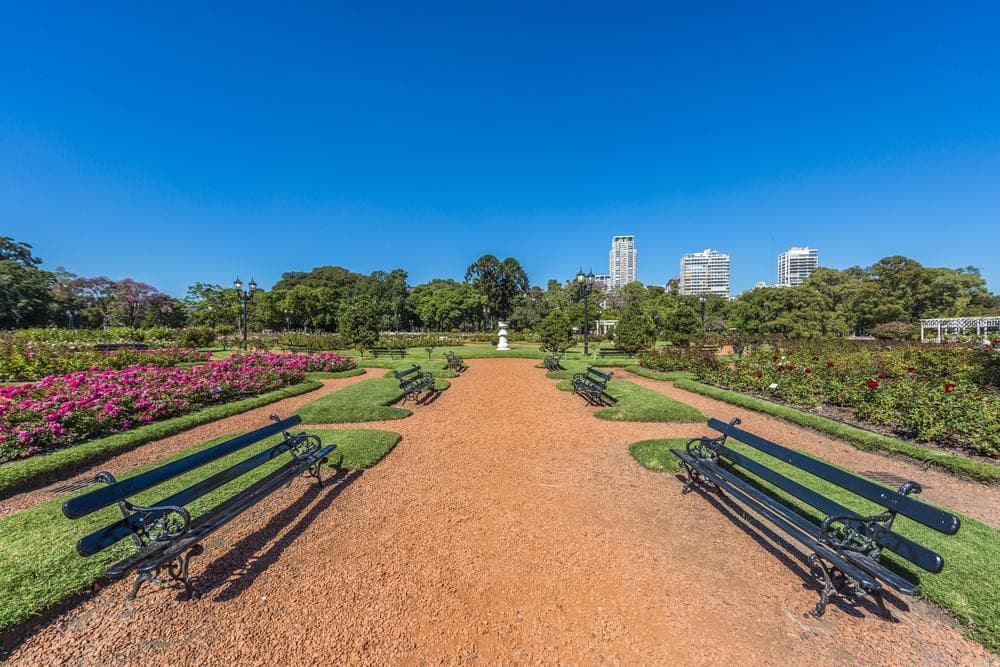
You arrive at dawn, the city still dreaming, and the first thing that meets you is green—an unexpected, expansive silence threaded with birdsong and the distant hum of Buenos Aires. Parque Tres de Febrero, known locally as the Bosques de Palermo, opens like a secret room off the city grid: broad avenues of plane trees, lawns that slope toward placid lakes, and a rose garden whose pathways fracture the light into polite, cinematic frames. Cyclists coast by, couples sip mate on park benches, and an early-morning jogger traces a steady arc around the lake. It’s an urban refuge that asks for slow attention.
The park’s present-day calm is shaped by a layered past. In the late 19th century Buenos Aires was reinventing itself as a modern capital; Argentine planners brought in the French landscape architect Charles Thays to engineer public green spaces that could civilize and uplift a booming metropolis. Thays’ influence remains in the Rosedal (rose garden), the formal avenues and the careful relationship between water and lawn. Geologically, the Bosques sits on the flat, alluvial plain of the Río de la Plata basin—there are no cliffs to climb, no alpine drama—so the park’s topography is large-scale, horizontal and generous: shallow lakes, artificially carved islands, and tree-lined promenades that invite movement rather than conquest.
That flatness is part of the park’s appeal. It’s an approachable landscape, one that suits a wide variety of activities. You can take a contemplative morning walk past statues and sculptures, rent a bike and connect this green expanse with Palermo’s surrounding neighborhoods, or join a guided bike tour that threads the park into Recoleta’s French-style avenues and the colorful houses of La Boca. The park is ideal for families, solo travelers, and active visitors who want to combine light exercise with cultural sightseeing. Viator products that pair well here include guided and private bike tours (4–8 hour options) that use Palermo as a focal point and the hop-on/hop-off bus routes that place the park on a larger city circuit. For independent travelers, full-day bike rentals are an easy way to sample the Bosques at your own pace.
Culturally, the park functions like a city square writ large. Porteños—residents of Buenos Aires—treat it as a civic backyard: weekend picnics, tango practice on hidden lawns, and artisan stalls clustered at popular corners. You’ll spot mate rituals (the shared roadside tea that’s less a beverage than a social contract) and kiosks selling medialunas and coffee. The park’s lakes host rowboats, and on any given day you’ll find photographers composing portraits against the Rosedal’s classical balustrades and the glint of water.
Practically speaking, exploring Bosques de Palermo rewards planning more than endurance. The main paths are paved or well-packed; elevation change is negligible. A typical loop that sweeps the Rosedal, the lakes, and the Palermo Woods is 4–6 kilometers—an easy half-day on foot or a brisk hour by bike. Early morning and late afternoon are the best lighting windows for photography and for escaping the midday heat in summer. If you’re using a guide-based bike tour, expect a mix of park lanes and low-traffic city streets; private car tours can weave the park into a wider Buenos Aires introduction. For flexible travel, hop-on/hop-off buses stop close enough that you can combine the park with a museum, a café, or a short detour to the nearby Japanese Garden.
Safety and comfort are simple: wear comfortable shoes, bring water, and carry a lightweight layer for spring or autumn breezes. Buenos Aires’ weather is seasonal—hot and humid in summer, pleasantly cool in spring and fall—so time your visit to suit your tolerance for heat and crowds. The park is busiest on weekend afternoons; if you prefer a quieter experience, arrive at first light or after 5 p.m.
Beyond logistics, the Bosques offers small rewards for curious travelers. Look for local birdlife—coots and egrets frequent the lakes—and stop at lesser-trafficked groves where public art and plaques tell pieces of the city’s story. If you have a half-day, pair a park ride with a guided neighborhood cycle through Palermo Soho and Recoleta; the juxtaposition of green serenity and urban energy is quintessential Buenos Aires.
Parque Tres de Febrero is not a wild place to be conquered. It’s a civic landscape that asks you to slow down, to feel the city’s rhythm shift from asphalt to lawn. Whether you join a four-hour guided bike tour, pick up a rental and make the route your own, or combine a private city tour by car with a stroll through the rose garden, the park provides an uncomplicated, restorative way to read the city. It’s where Buenos Aires breathes—quiet, generous and ready for you to enter that breath and move with it.
Trail wisdom
Small choices, better day.
Go early or late
Arrive at dawn or after 5 p.m. to avoid weekend crowds and catch the best light for photos.
Rent a bike for range
A bike lets you link the Rosedal, lakes and surrounding Palermo neighborhoods efficiently; rentals and guided bike tours are readily available.
Carry small local cash
Kiosks, boat rentals and artisan stalls often accept only cash—have small bills for snacks and souvenirs.
Respect wildlife
Do not feed birds or waterfowl—human food disrupts local diets and can harm animals.
Local knowledge
Read the place, not just the route.
Watch for native species including Neotropic coots (waterfowl), Common egrets and urban songbirds.
Keep an eye out for wildlife during the transition between areas and habitats. Respect distance guidelines.
The park is maintained by city authorities who focus on native trees and sustainable irrigation; visitors are asked not to feed wildlife and to use trash receptacles to protect the lakes.
Follow the guide's instructions on size limits, ethical handling, and leave-no-trace practices.
A quiet pergola near the Rosedal where local poets sometimes read. A small sculpture trail on the park’s eastern edge rarely crowded midweek
Locally recommended viewpoints and quiet spots known best to local operators.
Many of the park’s formal elements, including the Rosedal, were planned by French-Argentine landscape architect Charles Thays in the late 19th century when Buenos Aires expanded its public green spaces.
Maritime roots and regional tradition shape the waterways and working coasts.
Seasonal guide
Four versions of the same landscape.
Spring
Best forrose displays · mild weather walks · photography
Challengesmore visitors on weekends · occasional rain showers
Spring (Sept–Nov) is peak floral season with mild temperatures and the Rosedal in bloom—ideal for photos and leisurely walks.
Summer
Best forlong daylight hours · early-morning jogs · evening picnics
Challengeshot, humid days · midday sun exposure
Summer brings long days; schedule park time for early morning or late afternoon to avoid heat and enjoy cooler lake breezes.
Fall
Best forcooler rides · soft light photography · fewer crowds
Challengesshorter days · variable temps
Fall offers comfortable temperatures and softer light—great for cycling the park and exploring nearby cafes afterward.
Winter
Best forquiet strolls · clear skies · birdwatching
Challengescooler mornings · some trees leafless
Winter is quieter and crisp—layers are necessary, but the park’s openness makes for clear, sharp photo conditions.
Pack with intention
What to bring.
Good to know
Common questions.
The park is accessible by taxi, rideshare or bike from central neighborhoods; several hop-on/hop-off bus lines stop nearby for a convenient direct option.
Plan the edges
The details that make the day easier.
Charles Thays, a French-Argentine landscape architect, designed key elements of Parque Tres de Febrero, including the Rosedal, in the late 19th century.
Palermo’s cafes, bakeries and street-food stalls spill into the park’s edges—sample a medialuna with coffee or join locals sharing mate on the lawns; on weekends artisans and live music add a barrio vibe.
- Nearest city
- Buenos Aires • Best transit: taxi, rideshare, bike or hop-on
- hop-off bus • Time needed
- 1–4 hours • Facilities: kiosks, restrooms, bike rentals nearby
Stay on marked paths, don’t feed wildlife, carry out your trash, and consider a local guide or small-group bike tour to support community businesses.
Explore by topic
Follow the threads.
Keep exploring
Make the story part of the trip.
In four hours you can move from shaded canyon ferns to wind-scoured coastal ridgelines, guided by someone who knows where the light—and the hidden views—live. This private half-day hike on the Monterey Peninsula or Big Sur is compact, curated, and perfect for travelers who want depth without a multiday commitment.
 Related story
Beneath a sky of shifting light, Skaftafell’s ice reads like a map of time. This three-hour guided glacier hike mixes technical instruction with geology and culture: compact, safe, and unforgettable.
 Related story
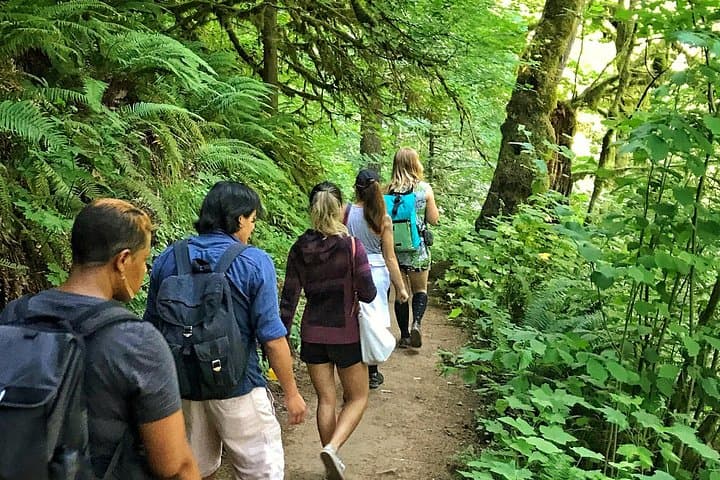
Lose the city for a few hours without leaving it: this 5-mile, 900-foot-gain Forest Park loop threads old-growth pockets, city viewpoints, and cultural landmarks for a compact taste of Portland’s wild side. Expect moss, roots, and stories.