

What the day feels like
First light on South Lake Tahoe reads like a promise: the mountains spill their first clean lines into glassy water, and the air—thin and sharp at 6,225 feet—tastes like winter even in mid-summer. If you launch from Lakeview Commons at El Dorado Beach, a three-hour single-kayak rental turns that promise into a manageable, memorable day: ten minutes of paddling, and the shoreline loosens into reed-lined coves, a wildlife preserve, a secret little beach and the wide, braided mouth of the Upper Truckee River. The water is cold and absurdly clear; the mountains watch without hurry.
This stretch of Lake Tahoe is a study in contrasts. The lake itself is a geologic record—carved and deepened by glaciers and held by fault lines—and it still reads as otherworldly because of the clarity that gives a sense of vertical depth you can’t fully appreciate from shore. Around South Lake Tahoe, the granite spine of the Sierra Nevada folds into dense pine forest; decades of human history have layered onto that—Washoe stewardship, nineteenth-century logging and mining, the postwar boom in outdoor recreation—and the shoreline is now a place where culture and wilderness meet in practical ways.
The simple plan—launch, paddle north toward the Upper Truckee mouth, hug the preserve and return—feels small and elegant. In the first half-hour you’ll pass a bird-rich wetland where reeds quiver with small, sharp calls; marshy outlets are good places to spot great blue herons and ospreys circling for trout. The secret beach the rental company points out is not exactly a secret, but you’ll savor how it shelters you from wind and the big blue expanse beyond. On a still morning, the mountains mirror perfectly; when a breeze wakes, the surface becomes a skiff of silver that dares you to keep going.
Practicality is baked into the experience. The rental is intentionally short—three hours lets you explore without committing to a lengthy expedition at high alpine elevation. Paddlers new to the sport can learn basic strokes and reach the preserve in minutes; more experienced paddlers can use the time to sight wildlife, scout coves and practice edging and sweep strokes in the lake’s open water. And given Tahoe’s alpine temperament, timing matters: mornings are usually glassy and calm; afternoons can blow up with thermals that make the lake sporty and, for novices, tense.
A little history keeps you grounded while you paddle. The Washoe people have lived on these shores for thousands of years; the word "Tahoe" derives from a Washo word meaning simply "lake." In the 1800s, the shoreline saw logging for timber and later recreational development. Today the ecology—especially around the Upper Truckee wetlands—receives more protection, both from local agencies and from quietly diligent paddlers who understand that these inlets are breeding grounds for birds and fish.
Geology plays by its own rules here. The basin is the product of tectonics and ice; snowmelt and runoff continue to sculpt the shoreline. That combination explains the lake’s depth and clarity—silicate-rich bedrock and low nutrient loads keep the water unusually pure—and it also explains why Lake Tahoe feels like a place that will outlast any single season.
On the logistics side: expect a three-hour window to be enough for a loop that includes the preserve and a break at the secret beach. The launch at Lakeview Commons/El Dorado Beach is easy to access with parking, and the proximity to South Lake Tahoe’s town center makes post-paddle coffee or a late breakfast a practical afterthought. For safety, wear a life jacket (PFD), bring layers, and watch wind forecasts; open water on an alpine lake can change fast.
For someone planning this trip, think of it as an active half-day that also leaves room for other Tahoe experiences—hiking in the Desolation Wilderness, a drive up to Emerald Bay, or a visit to Heavenly Village. This rental is accessible enough for first-time paddlers, but it rewards attention: notice the textures of the shoreline, the way the reeds bend, the calls of birds shifting in the light. Nature here doesn’t simply provide a backdrop; it negotiates with you. The current at the Upper Truckee mouth will push and pull in subtle ways; the wind will test your stroke discipline. You come away with a small skillset and a larger regard for a lake that has never been tame.
Whether you’re a day-tripper escaping the Central Valley heat or a traveler layering a kayaking morning into a long Tahoe weekend, the South Lake Tahoe 3-hour single kayak rental is the kind of easy, exact adventure that proves large landscapes are best seen slowly and up close. Pack sun and layers, plan for calm mornings, and leave room afterward for the uncomplicated joy of a hot drink with wet hands and a shoreline that still feels, somehow, new.
Trail wisdom
Small choices, better day.
Paddle mornings for calm water
Thermal winds pick up in the afternoon; start before 9 a.m. to enjoy glassy conditions and better wildlife sightings.
Dress in layers and bring insulation
Even in summer, wind and exposure on the water make a light fleece or windproof shell useful.
Use a dry bag and hydrate
Bring water and snacks in a dry bag; the lake’s altitude means you’ll dehydrate faster than at sea level.
Respect the wetlands
Avoid landing in protected marsh areas—stick to designated beaches to protect bird breeding habitats.
Local knowledge
Read the place, not just the route.
Watch for native species including osprey, great blue heron.
Keep an eye out for wildlife during the transition between areas and habitats. Respect distance guidelines.
Boat and gear cleaning is critical to prevent invasive species like quagga mussels; the Upper Truckee wetlands are managed to protect nesting birds and native fish.
Follow the guide's instructions on size limits, ethical handling, and leave-no-trace practices.
Secret Beach cove accessible by paddle. Upper Truckee River marshes and stream channels near Taylor Creek
Locally recommended viewpoints and quiet spots known best to local operators.
The Washoe people have hunted and fished these shores for millennia; 'Tahoe' comes from the Washo word for lake, and the area later saw logging and mining in the 19th century.
Maritime roots and regional tradition shape the waterways and working coasts.
Seasonal guide
Four versions of the same landscape.
Spring
Best forlate snowmelt runs · fewer crowds · bird migration
Challengescold water · variable weather · limited access in early season
Spring brings melting snow and active rivers feeding the lake; mornings are cold and weather changes rapidly—dress for alpine conditions.
Summer
Best forcalm paddles · clear water · long daylight
Challengescrowds · afternoon winds · strong sun exposure
Summer is optimal for kayaking with warm air and long days, but plan morning launches to avoid wind and busy beaches.
Fall
Best forcrisp light · fewer visitors · wildlife foraging
Challengesshorter days · cooler water temps · early storms possible
Fall offers crisp air and dramatic light; afternoons cool quickly and services may scale back, so check rental hours.
Winter
Best forscenic views from shore · snowy landscapes · skiing nearby
Challengescold, ice and limited water access · reduced rental options · hazardous conditions
Winter is primarily for sightseeing and skiing; kayaking options are very limited and only advisable for experienced cold-water paddlers with proper gear.
Pack with intention
What to bring.
Good to know
Common questions.
No—rentals are suitable for beginners; staff will demonstrate basic strokes and safety before launch.
Plan the edges
The details that make the day easier.
Lake Tahoe sits at 6,225 feet elevation and is the largest alpine lake in North America and one of the deepest in the United States (maximum depth about 1,645 feet).
South Lake Tahoe blends Sierra mountain culture with lakeside leisure—expect craft breweries, hearty mountain fare (trout and smoky barbecue), and the casino buzz just over the Nevada line at Stateline.
- Launch
- Lakeview Commons
- El Dorado Beach • Duration
- 3-hour rentals • Skill: beginner-friendly • Parking: available but fills on weekends • Best time: early morning • Rentals include PFDs.
Rinse and drain boats to prevent invasive species; stick to designated landing spots at the wetlands to protect nesting birds; pack out all trash and minimize single-use plastics.
Explore by topic
Follow the threads.
Keep exploring
Make the story part of the trip.
In four hours you can move from shaded canyon ferns to wind-scoured coastal ridgelines, guided by someone who knows where the light—and the hidden views—live. This private half-day hike on the Monterey Peninsula or Big Sur is compact, curated, and perfect for travelers who want depth without a multiday commitment.
 Related story
Beneath a sky of shifting light, Skaftafell’s ice reads like a map of time. This three-hour guided glacier hike mixes technical instruction with geology and culture: compact, safe, and unforgettable.
 Related story
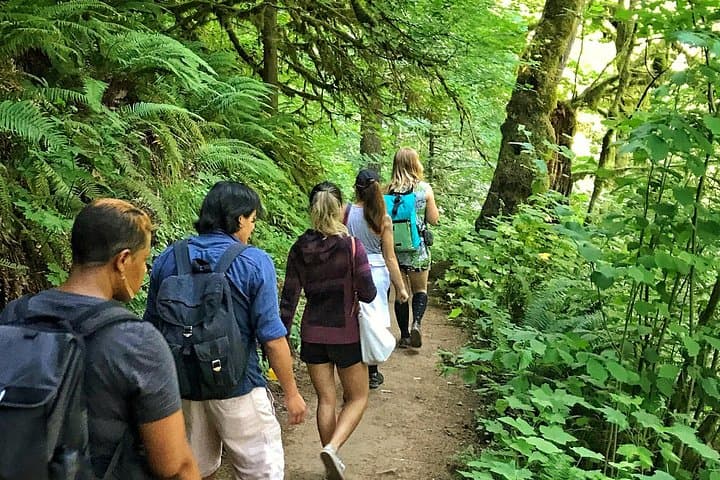
Lose the city for a few hours without leaving it: this 5-mile, 900-foot-gain Forest Park loop threads old-growth pockets, city viewpoints, and cultural landmarks for a compact taste of Portland’s wild side. Expect moss, roots, and stories.