
What the day feels like
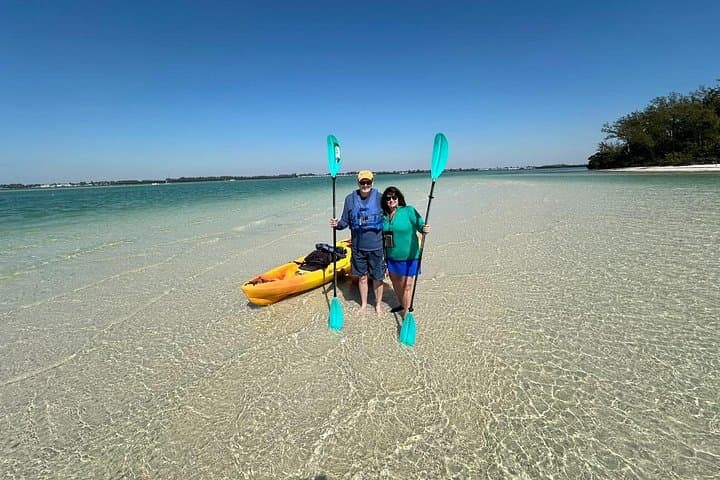
The morning opens with a flat, glassy Sarasota Bay that seems to be holding its breath. A slim line of mangroves frames the horizon; beyond, the island we’re heading to sits like a green coin tossed into blue. We shoulder our kayaks onto the sand—light, stable sit-ins that feel perfectly made for the slow-motion choreography of close-up wildlife watching—and push out into water that catches the light and throws it back in a million tiny mirrors. Dolphins cut the reflection into arcs. A manatee surfaces like a question mark, then slips away, indifferent and curious in equal measure.
This is The Island Tour: a 2½-hour, guided kayak trip launched from Sarasota that folds together shallow-water paddling, snorkeling, shelling, and wildlife viewing. It’s an easy-sounding itinerary, but the richness is in the details—the sudden chorus of tern wings, the way the current nudges your kayak as if the estuary itself were giving a gentle steer, the micro-economy of shells on the lee of the island.
Geology and history are written here in sand and seagrass. The barrier islands off Sarasota are younger than the mainland; wind and wave move them seasonally, and the shallow flats between mainland and island are carpeted by seagrass beds that filter water and feed an entire coastal food web. Indigenous peoples and later European settlers used these islands as seasonal camps and shelling grounds; today they’re refuges for migrating birds, foraging dolphins, and wintering manatees. The state’s environmental agencies, local nonprofits, and research institutions like Mote Marine Laboratory all keep a close eye on Sarasota Bay’s health—seagrasses here are critical, and the region is a national hotspot for coastal biodiversity.
Culturally, Sarasota mixes old-Florida sensibility with a strong arts scene. The boat ramps and sandbars you’ll approach on this trip are familiar to locals who grew up fishing, scalloping, and beachcombing these waters; the same waters also support a growing eco-tourism economy that emphasizes responsible viewing and small-group experiences.
On the water, the day divides cleanly: a warm-up paddle across the calm back-bay, a wildlife watch as your guide points out mixing flocks and tells you where manatees like to feed, a short beach landing for snorkeling in clear, shallow water, and an exploratory stroll looking for shells and tiny marine treasures. Because the launch is timed to tides and weather, the route will feel chosen for access and safety as much as for spectacle. The guides know shallow channels like neighborhood streets; they read the bay’s subtle swells like an old friend.
Practicalities matter here: the whole experience lasts around 150 minutes, and the paddling is intentionally accessible—this isn’t a whitewater dash, it’s an immersive coastal adventure. You’ll be on the water long enough to feel away from the city, but short enough to fit into a half-day and to keep the pace relaxed. Expect intermittent wind if a front rolls through, and bring a mindset of ‘leave it as you found it’—the animals we get to watch are protected species, and the tour operates under clear rules about distance, noise, and disruption.
For first-timers, a few good preparation points will improve the day. Wear quick-drying layers and a hat with a strap; reef-safe sunscreen is non-negotiable for both skin and ecosystem. Footwear that grips—neoprene booties or sturdy water-shoes—makes beach landings easier. Hydration matters: the Florida sun finds its way through clouds even on temperate mornings. If you’re prone to seasickness, take a preventative dose before launch; the bay is usually tame, but a small swell can change a day. Finally, bring a waterproof camera or phone case—this is the kind of trip where you’ll want a dozen unposed wildlife frames.
Why book? The Island Tour delivers concentrated coastal Florida—marine mammals, diving birds, clear snorkeling, and a private-feel island landing—without requiring a full day or specialized expedition skills. For families it’s an easy, educational entry into paddling; for photographers it’s intimate wildlife access; for seasoned kayakers it’s an opportunity to lean into light, wildlife-minded touring. And because groups are sized to minimize impact and maximize sightlines, you’re rarely packed shoulder-to-shoulder like on a commercial cruise.
Logistics are straightforward: departures are instant-confirmation when you book, prices start from $65, and the company generally offers free cancellation windows and notes when dates are likely to sell out. Aim for spring and late winter to avoid the strongest summer storms and to catch migratory patterns; mornings are best for calm conditions and active wildlife. Bring patience—wildlife shows up on its own schedule—and enjoy the slow reveal: a dorsal fin flashing five boat-lengths away, a school of fish glittering when you snorkel, a perfect conch shell half-buried at the waterline.
At the end of the paddle, you step back onto the mainland carrying wet sand, a cooler sense of scale, and a new set of stories. That’s the trip’s quiet power: it moves you through an ecosystem, not just across it, and invites you to notice the small things that stitch together the Gulf’s broader health. If you’re booking a Sarasota stay, consider leaving an afternoon open for the Mote Marine Laboratory, or an evening in Siesta Key Village—this short kayak trip pairs well with the rest of the region’s coastal pleasures: seafood, sunset beaches, and that laid-back Florida pace that makes time feel expandable.
Trail wisdom
Small choices, better day.
Start Early
Launch in the morning for calmer water, active marine life, and softer sun; wind typically picks up after midday.
Use Reef-Safe Sunscreen
Protect your skin and the bay—chemical sunscreens harm seagrass and coral; choose mineral-based sunscreen.
Prevent Seasickness
If you’re prone to motion sickness, take medication an hour before launch—even the bay’s gentle chop can unsettle some paddlers.
Respect Wildlife Distances
Keep a respectful distance from manatees and dolphins—let them approach if they choose, and never touch or chase them.
Local knowledge
Read the place, not just the route.
Watch for native species including Bottlenose dolphin, West Indian manatee.
Keep an eye out for wildlife during the transition between areas and habitats. Respect distance guidelines.
Seagrass beds in Sarasota Bay are vital nursery habitat; follow guide instructions, use reef-safe sunscreen, and avoid trampling sensitive shorelines.
Follow the guide's instructions on size limits, ethical handling, and leave-no-trace practices.
Early-morning tide flats for shelling near the island’s north point. A quiet mangrove chute two paddles from the main beach that hosts plentiful birdlife
Locally recommended viewpoints and quiet spots known best to local operators.
The barrier islands off Sarasota have long been used for seasonal fishing and shelling; archaeological finds show Indigenous use of these shores for thousands of years.
Maritime roots and regional tradition shape the waterways and working coasts.
Seasonal guide
Four versions of the same landscape.
Spring
Best forMild weather · Bird migration · Active marine life
ChallengesOccasional cold fronts · Higher visitor numbers
Spring offers pleasant temps, active dolphins and birds, and excellent shelling—book early on weekends.
Summer
Best forWarm water snorkeling · Long daylight · Family trips
ChallengesHigh heat and humidity · Afternoon thunderstorms
Summer brings warm water and vibrant snorkeling but also stronger sun and more frequent storms—opt for early starts.
Fall
Best forFewer crowds · Good water clarity · Comfortable temperatures
ChallengesHurricane-season variability · Possibly warmer water
Fall can be a sweet spot—calmer crowds and clear conditions, though watch seasonal weather shifts.
Winter
Best forCalmer seas · Marine mammal watching · Cooler paddling
ChallengesCooler air and water · Occasional northerly winds
Winter mornings are calm and clear, ideal for wildlife viewing; bring slightly warmer layers for chillier air.
Operator details
What the booking data adds.
Included
- ✓Masks and snorkels
- ✓Paddles
- ✓Life jackets
- ✓Kayaks
- ✓Dry bags
Good to know
- ✓Public transportation options are available nearby
- ✓Not recommended for travelers with spinal injuries
- ✓Not recommended for travelers with poor cardiovascular health
- ✓Travelers should have at least a moderate level of physical fitness
- ✓Travelers should bring their own water and snacks
Pack with intention
What to bring.
Good to know
Common questions.
The tour runs approximately 150 minutes (about 2.5 hours) including paddle time, snorkeling, and an island stop.
Plan the edges
The details that make the day easier.
Mote Marine Laboratory in Sarasota actively researches and monitors local seagrass beds and manatee populations, making the bay an important scientific as well as recreational resource.
After the paddle, head to Siesta Key Village for beachside fish tacos and sunset, or downtown Sarasota’s Owen’s Fish Camp for a casual seafood dinner—pair the day with a visit to Mote Marine Laboratory to learn more about local marine conservation.
- Closest airport
- Sarasota-Bradenton International Airport (SRQ). Driving distance from downtown Sarasota: 10–20 minutes. Cell service: generally good near shore, spotty on open flats. Permits
- passes
- typically none, but check for state-park landing fees and operator policies.
This tour traverses seagrass meadows and manatee foraging grounds—use reef-safe sunscreen, never touch or feed wildlife, and pack out all trash to protect these sensitive habitats.
Explore by topic
Follow the threads.
Keep exploring
Make the story part of the trip.
In four hours you can move from shaded canyon ferns to wind-scoured coastal ridgelines, guided by someone who knows where the light—and the hidden views—live. This private half-day hike on the Monterey Peninsula or Big Sur is compact, curated, and perfect for travelers who want depth without a multiday commitment.
 Related story
Beneath a sky of shifting light, Skaftafell’s ice reads like a map of time. This three-hour guided glacier hike mixes technical instruction with geology and culture: compact, safe, and unforgettable.
 Related story
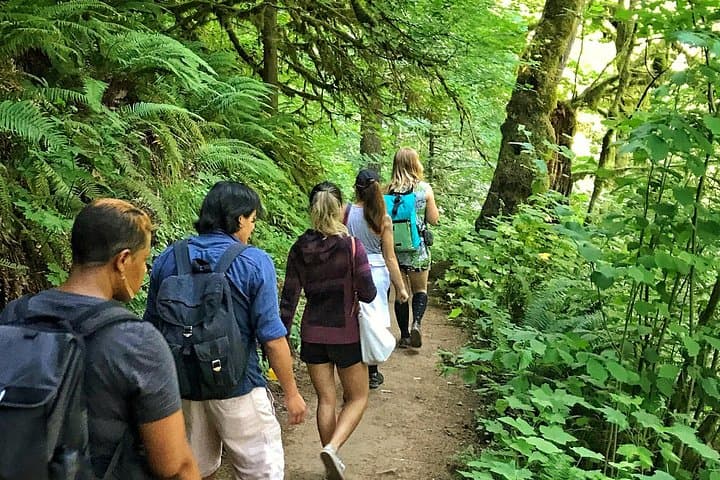
Lose the city for a few hours without leaving it: this 5-mile, 900-foot-gain Forest Park loop threads old-growth pockets, city viewpoints, and cultural landmarks for a compact taste of Portland’s wild side. Expect moss, roots, and stories.