

What the day feels like
The paddlewheel starts with a patient, almost conversational chug—an old‑time rhythm that feels intentionally out of sync with the hurry of land. You step aboard the M.S. Dixie II on the south shore of Lake Tahoe and the shoreline slides away: pines thin into granite, beaches curl like pauses, and the Sierra turns into a low, blue silhouette that tightens as the sun lowers. The air cools and the lake, which has spent the day reflecting mountain light, seems to tilt toward the west to drink the last sun.
This is what a Lake Tahoe cruise does best: it reorients perspective. From a paddlewheel’s deck you read the lake in a new scale—its breadth, its glassy clarity, the weathered faces of peaks that pushed up along the Tahoe fault millions of years ago. The Dixie II is a classic touch on a modern landscape, a boat‑charter experience that pairs a leisurely, narrated tour with the pragmatic comforts of seating, food service, and an accessible route across the water.
History and geology thread through the voyage. Lake Tahoe is a fault‑block basin carved by tectonic motion and refined by glaciers; the result is startling depth and uncommonly clear water. Native Washoe people have lived on Tahoe’s shores for millennia, reading the seasons and the lake’s moods long before tourism. The boat itself is part theatrics, part practicality: a paddlewheel profile crafted to evoke the riverboats of an earlier era while offering contemporary safety and hospitality—often as a daytime sightseeing trip, a sunset cruise, or a more deliberate dinner cruise.
The cruise works because the lake does the heavy lifting. On a clear day the Sierra’s serrated skyline frames the ride; at sunset the water becomes a mirror for color, daring you to look away. The south shore presents a collage of lakeside life—small marinas, ski runs that look like cut notches in the tree line, and the sparse evidence of human settlement that has learned to live beside, rather than on top of, this rare clarity. Narration on board helps stitch these visual threads into local stories—Washoe lore, the geology that made Tahoe, and practical modern histories like the evolution of lakeside resorts and conservation efforts that keep the water readable for generations.
Practical travelers will appreciate the clarity of the program. Most sightseeing cruises run roughly 60–90 minutes; dinner and specialty cruises extend to two to three hours. The terrain is none—boarding is level, and the vessel typically includes restrooms, covered seating, and both indoor and outdoor viewing areas. Expect calm to moderate lake chop depending on weather; the captain will choose routes that balance views and passenger comfort. If you want cinematic photos, book a seat on the starboard side for westward sunsets, and choose a summer or early fall evening when the light hangs low and the mountains are sharply defined.
How to prepare: Dress in layers. The south shore radiates afternoon warmth, but the wind off the lake cools quickly as the sun dips. Pack binoculars for a look at distant coves and a small jacket for the evening. If you’re prone to motion sensitivity, consider ginger chews or a motion‑sickness patch—the lake is mostly calm, but even a gentle swell can feel persistent if you’re unprepared. For families, the experience is forgiving: children are often mesmerized by the paddlewheel and shoreline vistas, and short cruise durations make it an easy outing for varied attention spans.
Booking tips: Popular departures—especially sunset and weekend dinner cruises—sell out in high season. Reserve in advance, and arrive 30 minutes early for boarding, which gives you time to find parking and pick an optimal seat. Check the operator schedule in shoulder seasons: shoulder months can offer the clearest water and smaller crowds, but some services reduce frequency as colder weather arrives.
Cultural and conservation notes belong in any honest travel plan. Tahoe’s clarity is fragile; local stewards—public agencies and nonprofit groups alike—work to limit runoff, invasive species, and pollution. Supporting operators that follow best practices (no single‑use plastics, proper waste handling) helps protect the experience that brought you here.
For photographers and quiet observers, the boat gives you a perspective you can’t get from shore: a clean horizon, uninterrupted reflections, and angles that reveal geologic bedding in ways hiking trails rarely do. If you want more active water time, couple a Dixie II cruise with a morning kayak or SUP rental from a nearby marina; the contrast between the paddlewheel’s steady glide and the intimate pace of a paddle is one of Tahoe’s understated pleasures.
In short: a cruise on the M.S. Dixie II is a practical indulgence. It asks little in return—time, a modest ticket fee, and basic preparation—and gives back a compact, generous tour of one of America’s most distinctive alpine lakes. Whether you’re chasing golden hour, introducing kids to the scale of the Sierra, or simply looking for a calm place to take the lake in, the paddlewheel holds a straightforward promise: to put the rest of the world at a polite distance and let Tahoe be the thing you’re paying attention to.
Trail wisdom
Small choices, better day.
Dress in layers
Even warm afternoons become chilly on the open water—bring a windproof layer and a hat.
Bring binoculars
Binoculars bring distant coves, wildlife, and geological features into sharp relief.
Book the sunset cruise early
Sunset and dinner departures fill fast in summer—reserve seats in advance to secure the best views.
Prepare for motion
If you’re prone to seasickness, take preventative medication or try ginger tablets before boarding.
Local knowledge
Read the place, not just the route.
Watch for native species including Common loon, Mule deer.
Keep an eye out for wildlife during the transition between areas and habitats. Respect distance guidelines.
Lake Tahoe’s clarity is protected by strict watershed and runoff controls—support local nonprofits and outfitters that prioritize clean‑water practices.
Follow the guide's instructions on size limits, ethical handling, and leave-no-trace practices.
Walk the short lakeshore trail near the Zephyr Cove marina for quiet picnic spots. Check small public beaches west of the dock for alpine wildflowers and intimate views
Locally recommended viewpoints and quiet spots known best to local operators.
The Lake Tahoe basin is a geological product of faulting and glaciation; indigenous Washoe people have long considered the lake central to their seasonal cycles.
Maritime roots and regional tradition shape the waterways and working coasts.
Seasonal guide
Four versions of the same landscape.
Spring
Best forWildflower viewing from shore · Calmer early-season waters · Lower crowds
ChallengesUnpredictable weather · Cool evenings · Limited dinner cruise schedules
Spring brings melting snow and cooler nights—days can be excellent for clear light, but check the schedule as services ramp up.
Summer
Best forSunset cruises · Extended service and frequent departures · Warm daytime temperatures
ChallengesCrowded docks and parking · Higher prices · Strong afternoon winds on some days
Summer is peak season for frequency and weather—book early and arrive ahead of boarding to avoid lines.
Fall
Best forCrisp air and clear visibility · Fewer crowds · Beautiful golden light
ChallengesShorter daylight hours · Some services reduce frequency · Cooler evenings
Early fall often offers the best clarity and light for photography; expect cooler nights and reduced tour frequency later in the season.
Winter
Best forOff‑season quiet if running · Snow‑framed shoreline views · Unique perspective after fresh snowfall
ChallengesLimited to no regular service · Cold temperatures · Potential cancellations due to weather
Winter operations are limited—check operator schedules and weather notices; when available, cruises offer dramatic snow‑lined vistas.
Pack with intention
What to bring.
Good to know
Common questions.
Sightseeing cruises generally last 60–90 minutes; dinner and specialty cruises run about two to three hours.
Plan the edges
The details that make the day easier.
Lake Tahoe is the largest alpine lake in North America by volume and the second‑deepest lake in the United States, with a maximum depth of about 1,645 feet.
Tahoe life blends Washoe heritage, Sierra mountain cuisine, and contemporary outdoor culture—look for locally smoked trout, craft breweries pouring alpine ales, and interpretive programs that highlight Washoe history.
- Boarding
- arrive 30 minutes early; Duration: 1–3 hours; Accessibility: many trips offer accessible boarding—call ahead; Bathrooms: onboard; Parking: limited at busy docks—arrive early or use nearby public lots.
Choose operators that practice proper waste handling, avoid single‑use plastics, and participate in local conservation funds; staying on marked beaches and avoiding boat‑launched invasive species are simple ways to protect Tahoe’s clarity.
Explore by topic
Follow the threads.
Keep exploring
Make the story part of the trip.
In four hours you can move from shaded canyon ferns to wind-scoured coastal ridgelines, guided by someone who knows where the light—and the hidden views—live. This private half-day hike on the Monterey Peninsula or Big Sur is compact, curated, and perfect for travelers who want depth without a multiday commitment.
 Related story
Beneath a sky of shifting light, Skaftafell’s ice reads like a map of time. This three-hour guided glacier hike mixes technical instruction with geology and culture: compact, safe, and unforgettable.
 Related story
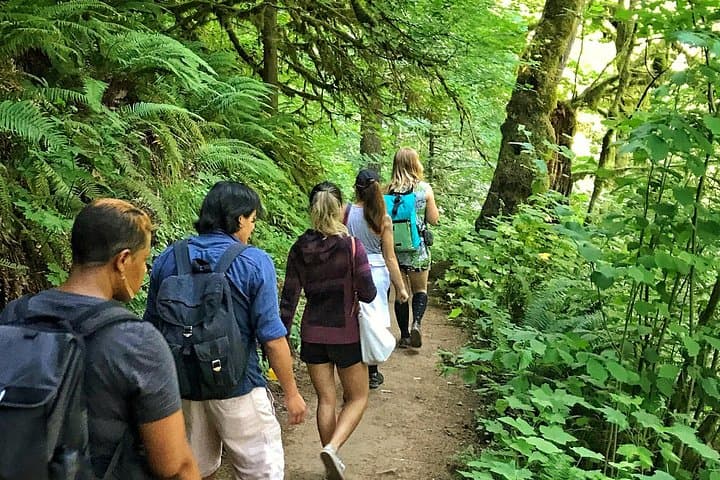
Lose the city for a few hours without leaving it: this 5-mile, 900-foot-gain Forest Park loop threads old-growth pockets, city viewpoints, and cultural landmarks for a compact taste of Portland’s wild side. Expect moss, roots, and stories.