
What the day feels like
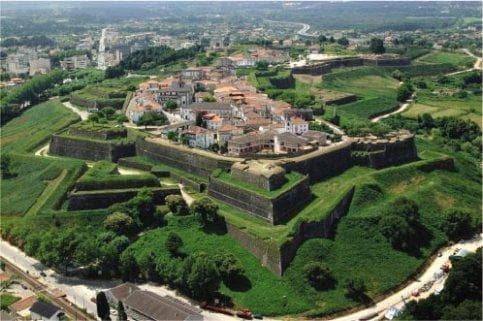
You arrive in Valença do Minho the way many travelers do—by road, the Minho River appearing first as a silver seam on the horizon, then the town’s thick stone ramparts rising like a low, deliberate crown above the water. From the parking terrace the fortress looks compact and implacable: two concentric walls, bastions pointing like the teeth of a comb, and a grid of cobbled streets folding inward. A gull cries. The river dares you to cross it and see how Spain answers.
Valença is small in scale but expansive in character. Its Vauban-style fortification—built and tweaked over the 17th and 18th centuries to guard Portugal’s northern border—defines the town’s silhouette and the rhythm of a visit. Walk the ramparts and the stone pushes back at your feet: age-polished flagstones, patched mortar, iron ring-stops where powder barrels were once lashed. The town doesn’t shout for attention. It insists you slow down, examine a carved doorway, taste a salt cod dish in a sunlit square, or linger at a viewpoint where the Minho slips into Galicia.
The geology here is honest: river terraces and green, folded hills that collect fog and sunlight in equal measure. The Minho River—frontline and lifeline for centuries—creates both a microclimate and a cultural seam; on the far bank, Spain’s Tui watches back, its cathedral spire puncturing the skyline. Historically, Valença’s walls were as much about sovereignty and customs control as defense. The town prospered as a border market and ferry crossing; merchants, pilgrims along the Portuguese Way to Santiago, and soldiers all left their marks.
Culture in Valença is compact and tactile. The old town, called the “citadel” (cidadela), feels like a living museum: family-run shops selling wickerwork and cured meats, cafes perfuming the laneways with espresso and baking, and small chapels where parishioners still light candles. The border location creates an everyday cosmopolitanism—you’ll hear Portuguese and Galician, see Spanish plates parked beside Portuguese ones, and taste a cuisine that pairs vinho verde with the briny Albariño of the neighboring Rías Baixas.
For travelers, Valença is two things at once: an atmospheric destination in its own right and the perfect hinge for a day of contrasts. From Porto it’s roughly 120 km (about 75 miles) and a little over an hour by car—an easily planned day trip. Many visitors combine Valença with a pilgrimage detour to Santiago de Compostela, a hearty wine-tasting stop in the Rías Baixas, or a mountain-bike stage of the Portuguese Way. If you want to move slowly, plan a night inside the fortress—when day-trippers leave, the stones return to something like private speech.
Practicalities are refreshingly simple. Walkability is the city’s strength; expect cobbles and steep lanes, so good shoes and a measured pace are essential. Entrance to the citadel is free—what you pay for is time and curiosity. Guided tours and private transfers from Porto are common; they add context to the fortress’s Vauban geometry and the border’s layered stories. Mountain-biking options along stretches of the Portuguese Way let you stitch Valença into a longer, more physical route—expect mixed surfaces, occasional tarmac, and stretches of singletrack that thread through eucalyptus and oak.
Seasonal choices matter. Spring and fall offer mild temperatures and better light for photography, while summer brings festivals and long outdoor dinners but also higher heat. Winters are quiet and atmospheric; some shops may be closed but the fortress will feel like yours alone. Border crossing is straightforward; carry your passport if you plan to pop into Tui and respect open-hour boundaries for smaller municipal services.
How you experience Valença depends on your tempo. A stopwatch visitor will take the ramparts, snap the obligatory photo of bastions and river, and be back on the road. The more rewarding approach is to listen: sit in a café while morning light pools across flagstones, follow a side lane down to the riverside promenade for reflections of spires and fisher boats, then climb the walls again as the sunset leans into Galicia. If you’ll pair the visit with Santiago de Compostela, aim for a private day tour that includes a local lunch; it’s the easiest way to fold cultural context into the day without losing the quiet pleasures of Valença itself.
For planners there are quick, actionable notes: travel from Porto by car or organized tour, give the citadel at least 90 minutes to two hours, and if biking, choose a staged route that respects your fitness level—some Camino segments are steep. Bring layers; the river can make mornings unexpectedly cool, and the weather shifts fast when crossing from coastal plains into the river valley.
Valença do Minho is not a blockbuster destination. It’s the kind of place where walls keep stories close and the river dares you to find your own. For travelers seeking a compact lesson in borderland history, fortified architecture, and the simple rewards of slow walking and good food, Valença makes a persuasive case. The fortress will keep its secrets; you’ll keep the memory of that first view as the town unfolds beneath you and the Minho pushes you gently toward Spain.
Trail wisdom
Small choices, better day.
Tackle the cobbles with the right shoes
Wear sturdy, grippy footwear—flagstones are polished and uneven, and some lanes are steep.
Carry ID for border hops
If you plan to cross to Tui or explore Spain for a meal, bring your passport or national ID to avoid surprises.
Plan for photowalk windows
Early morning and late afternoon offer the best light on the ramparts and fewer crowds.
Reserve transport when combining destinations
If pairing Valença with Santiago or wine country, book a private transfer or tour to make the day manageable.
Local knowledge
Read the place, not just the route.
Watch for native species including grey heron, European otter (sighted along quieter riverbanks).
Keep an eye out for wildlife during the transition between areas and habitats. Respect distance guidelines.
The Minho River valley supports sensitive riparian habitats and cross-border initiatives encourage low-impact tourism—stay on paths and avoid disturbing riverbanks.
Follow the guide's instructions on size limits, ethical handling, and leave-no-trace practices.
The citadel’s quiet inner terraces—less crowded at sunrise for sweeping river views. Riverside path toward Monção with small family-run taverns and calm birdwatching spots
Locally recommended viewpoints and quiet spots known best to local operators.
Valença’s current walls reflect Vauban-inspired military architecture from the 17th–18th centuries; its strategic location made it a customs and defense hub on the Portugal–Spain border.
Maritime roots and regional tradition shape the waterways and working coasts.
Seasonal guide
Four versions of the same landscape.
Spring
Best forwildflower walks · cooler walking weather · birdwatching along the river
Challengesoccasional rain · muddy trails for MTB
Spring brings mild temperatures and flowering hills; pack a lightweight rain layer for sudden showers.
Summer
Best forlong terrace dinners · outdoor festivals · late light photography
Challengesheat in mid-day · increased day-trip crowds
Summers are lively with long evenings—schedule rampart walks for cooler mornings and evenings.
Fall
Best forwine and harvest events · stable weather · clear sunsets
Challengesshortening daylight · occasionally windy river conditions
Autumn offers comfortable temperatures and excellent wine-pairing opportunities across the border.
Winter
Best forquiet streets · low-season rates · moody light for photos
Challengessome shops closed · cooler, wetter weather
Winter is peaceful and atmospheric; bring insulating layers and check opening hours for local businesses.
Pack with intention
What to bring.
Good to know
Common questions.
Valença is about 120 km (roughly 75 miles) north of Porto and typically a 1–1.5 hour drive depending on traffic.
Plan the edges
The details that make the day easier.
Valença’s fortress is one of the best-preserved examples of Vauban-inspired fortification on the Iberian Peninsula, with walls and bastions largely dating from the 17th–18th centuries.
Valença’s cuisine blends northern Portuguese and Galician influences—expect grilled river fish, salt cod specialties, and vinho verde; markets sell wickerwork and cured meats reflecting regional rural crafts.
- Distance from Porto
- ~120 km (1–1.5 hrs); best access: car or organized tour; currency: EUR; language: Portuguese (Galician
- Spanish nearby); citadel access
- free; parking: available outside walls.
Support local family-run cafes and artisans, avoid single-use plastics, and stick to designated paths to protect riparian vegetation and nesting bird species along the Minho.
Explore by topic
Follow the threads.
Keep exploring
Make the story part of the trip.
In four hours you can move from shaded canyon ferns to wind-scoured coastal ridgelines, guided by someone who knows where the light—and the hidden views—live. This private half-day hike on the Monterey Peninsula or Big Sur is compact, curated, and perfect for travelers who want depth without a multiday commitment.
 Related story
Beneath a sky of shifting light, Skaftafell’s ice reads like a map of time. This three-hour guided glacier hike mixes technical instruction with geology and culture: compact, safe, and unforgettable.
 Related story
Lose the city for a few hours without leaving it: this 5-mile, 900-foot-gain Forest Park loop threads old-growth pockets, city viewpoints, and cultural landmarks for a compact taste of Portland’s wild side. Expect moss, roots, and stories.