

What the day feels like
You climb the last stone steps while the valley opens beneath you: a patchwork of clay roofs, agave fields and the ribbon of the Atoyac River. The morning is cool, thin air nudging your breath into a steady rhythm. On the plateau ahead, stones lie like the bones of an ancient city—platforms, plazas and the carved figures known as Danzantes that still seem to be caught mid-movement. Wind carries the dry, cedar-like scent of mezquite and the distant clang of a church bell from Oaxaca de Juárez. Here, on Monte Albán’s flattened summit, history and landscape conspire to make you feel both small and extraordinarily present.
Monte Albán is less a single monument than a stage. Built and remade over a millennium by the Zapotec civilization, this hilltop metropolis occupies a deliberate vantage point—roughly 400 meters above the Oaxaca Valley floor—where politics, astronomy and ritual could be choreographed against a panoramic horizon. When you walk the central plaza, you follow paths trodden by priests, rulers and messengers between 500 BCE and the Postclassic period. Terraces, ball courts and funerary tombs anchor a skyline that reads as both military stronghold and public theater. Stones that once received tributes now collect lichen; the site’s weathered facades still direct attention, patiently, to the valley below.
Geology gives Monte Albán its name and its power. The prominence is an elongated, artificially leveled ridge—Zapotec engineers hewed and stacked terraces into a near-planar summit. That human-made plateau sits on complex volcanic soils shaped by the same tectonic drama that raised the Sierra Madre del Sur. The region’s seismic history is written into the ruins: collapsed façades and re-set foundations tell of continuous rebuilding. That resilience is part of the appeal—this is a place that has been both altered by and adapted to time and weather.
Culturally, Monte Albán anchors the voice of Oaxaca. The city-state radiated influence across present-day Oaxaca and beyond, and evidence—glyphs, stelae and funerary goods—records diplomatic ties with the Mixtecs and Teotihuacán. Today, local guides—many Zapotec descendants—read those carvings not as relics but as living testimony. Nearby Oaxaca City remains the best staging ground: wake early, drink strong coffee at a zócalo café, then drive ten minutes to first light. Visit the Museo de Sitio de Monte Albán to see artifacts and get a clearer sense of chronology before taking the plateau’s paths.
Practicalities are part of the pleasure. The site is compact but uneven: granite steps, cobbled terraces and low walls require steady footing and a few careful handholds. A typical visit is 1–3 hours. If you’re timing for light, sunrise and late-afternoon carry the drama—a long, flat sun throws shadow across the plazas and the valley cools into color. Midday, the plateau can bake; bring water and shade. Entry is affordable; guided tours add language and narrative that transform stone into story. Many travelers pair Monte Albán with a half-day wandering Oaxaca City—markets, mezcal palenques and the Santo Domingo complex make a full cultural circuit.
How to do it well: arrive early to avoid buses and heat; hire a local guide who will translate glyphs into story and point out hidden tomb entrances; move slowly at the edges where the drop-offs give you the best vistas. If you crave quiet, linger at the western escarpa—the valley sights read like a living map, and the wind seems to draft emissaries from the past. If you prefer structure, a guided tour will combine the plateau with the on-site museum and a stop at nearby artisan towns.
Beyond logistics, this place asks for a different kind of readiness: humility. Stone here is patient. Sun and wind carve memory into it, but your presence crowds a timeline that spans centuries. That awareness changes simple actions—no more leaning on carved faces, no loud voices in the plazas, an eye for the fragile in the ground beneath foot.
For active travelers, Monte Albán is a primer in low-impact exploration. There are no technical climbs, but the approach—rocky promenades, sticky heat, and stairways that sometimes need hands—rewards basic fitness. Wear shoes with grippy soles, pack hydration, and bring a light shell for wind. Photographers will find endless frames: carved stone against sky, long shadow-lines over ceremonial stairs, and the valley stitched into background color.
Monte Albán is as much a cultural day-hike as an archaeological encounter. Spend the morning in the ruins, the afternoon in Oaxaca City’s mercados, and the evening over mole—an itinerary that connects place, palate and people. Treat the site as you would a sensitive ecosystem: tread thoughtfully, listen for the local stories, and let the plateau’s quiet let you hear them.
If you go, remember this: Monte Albán is not only a set of ruins to tick off a list. It is a civic landscape that once coordinated sun, ritual and governance. Walk it with intention and you’ll leave with a sharper sense of Oaxaca’s continuity—how present-day markets and festivals still carry, in altered language, the same human needs for assembly, exchange and sacred time.
At the edge of the central plaza, the wind will nudge you toward the valley one more time. Below, Oaxaca hums on. Above, the plateau holds its slow, steady watch. Monte Albán does what good travel does: it reorients you—toward history, toward landscape, and toward the practical pleasures of seeing a city made out of stone.
Trail wisdom
Small choices, better day.
Start at first light
Arrive within the first hour of opening to avoid buses, catch soft light and lower temperatures.
Hydrate before and during the visit
There’s little shade on the plateau—carry at least 1–1.5 liters per person for a 1–3 hour visit.
Wear grippy shoes
Uneven stone, short stairways and dusty terraces require stable, treaded footwear.
Hire a local guide
Guides provide historical context, point out subtle carvings and help you avoid fragile areas.
Local knowledge
Read the place, not just the route.
Watch for native species including ravens and turkey vultures riding thermal currents, lizards basking on exposed stones.
Keep an eye out for wildlife during the transition between areas and habitats. Respect distance guidelines.
The site is protected as a UNESCO World Heritage Site; visitors should stick to marked paths, avoid touching carved surfaces and support local guides and museums.
Follow the guide's instructions on size limits, ethical handling, and leave-no-trace practices.
Walk the less-traveled western escarpment for quieter vistas and fewer tour groups. Visit the Museo de Sitio de Monte Albán at the base for small but informative displays and context
Locally recommended viewpoints and quiet spots known best to local operators.
Founded around 500 BCE, Monte Albán served as the Zapotec capital for centuries and was a regional ceremonial and administrative center.
Maritime roots and regional tradition shape the waterways and working coasts.
Seasonal guide
Four versions of the same landscape.
Spring
Best forclear vistas · fewer crowds than summer · spring festivals in Oaxaca
Challengesvariable winds · occasional pollen and dust
Spring offers mild mornings and crisp views; afternoons can heat up and gusts make light layering useful.
Summer
Best forlush valley views after rains · combining site with museum visits · early-morning photography
Challengesafternoon thunderstorms · higher humidity and muddy access roads
Summer is green and dramatic but expect storms in the afternoon—plan for morning visits and flexible schedules.
Fall
Best forstable, clear weather · post-harvest colors in the valley · Guelaguetza-related cultural events (periodic)
Challengesincreasing tourist numbers in late fall · cooler evenings
Fall is the most reliable season for dry, clear conditions and comfortable daytime temperatures.
Winter
Best forcrisp air and long-distance visibility · combining with Oaxaca’s markets and festivals · photography with long shadows
Challengescold mornings · some services run reduced hours around holidays
Winters are cool and stable—dress in layers for cold mornings that warm by midday.
Pack with intention
What to bring.
Good to know
Common questions.
Most visitors spend 1–3 hours exploring the main plaza, ball courts and tombs; add time for the onsite museum if you want a deeper context.
Plan the edges
The details that make the day easier.
Monte Albán and the Historic Centre of Oaxaca were inscribed as a UNESCO World Heritage Site in 1987.
Oaxaca’s food and craft culture pairs perfectly with a Monte Albán visit—try a tlayuda and mezcal after the ruins, and visit nearby artisan towns for hand-carved wooden alebrijes.
- Getting there
- ~10–15 minute drive from Oaxaca City; Duration: 1–3 hours; Entry: paid ticket with onsite museum; Best time: sunrise or late afternoon; Accessibility: limited for full mobility access.
Respect marked paths, avoid touching carvings, hire local guides and choose refillable water bottles to minimize waste; support nearby markets to contribute to the local economy.
Explore by topic
Follow the threads.
Keep exploring
Make the story part of the trip.
In four hours you can move from shaded canyon ferns to wind-scoured coastal ridgelines, guided by someone who knows where the light—and the hidden views—live. This private half-day hike on the Monterey Peninsula or Big Sur is compact, curated, and perfect for travelers who want depth without a multiday commitment.
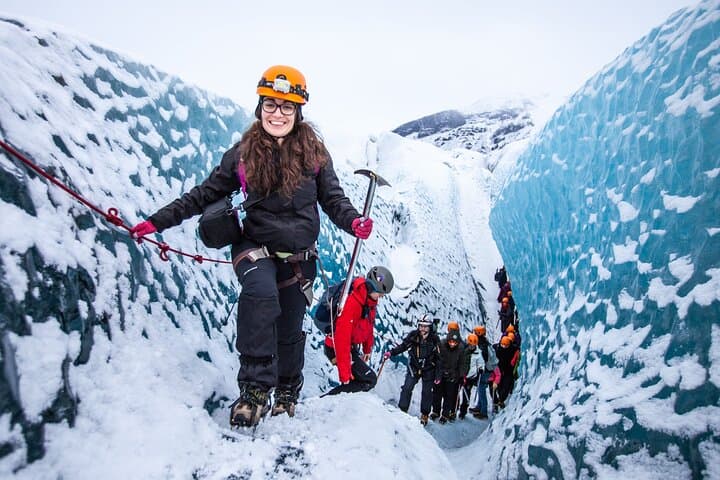 Related story
Beneath a sky of shifting light, Skaftafell’s ice reads like a map of time. This three-hour guided glacier hike mixes technical instruction with geology and culture: compact, safe, and unforgettable.
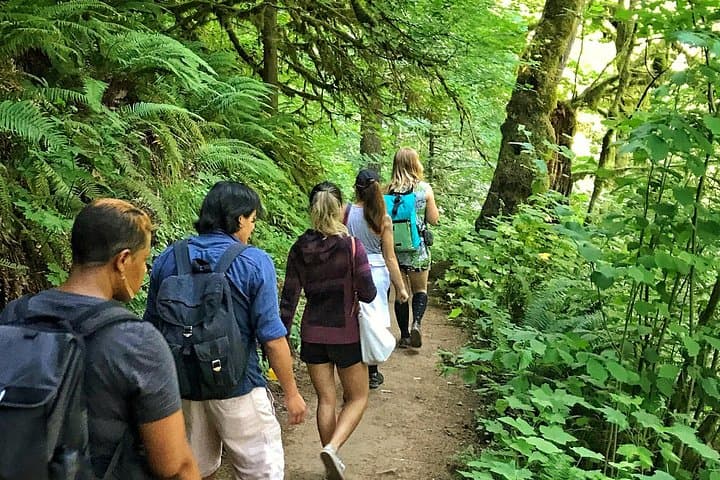 Related story
Lose the city for a few hours without leaving it: this 5-mile, 900-foot-gain Forest Park loop threads old-growth pockets, city viewpoints, and cultural landmarks for a compact taste of Portland’s wild side. Expect moss, roots, and stories.