

What the day feels like
Before dawn the lake is all bevelled light and low mist, a sheet of glass that keeps the day’s secrets. Rowboats cut feather-thin wakes through floating clusters of water hyacinth; cormorants sit like black pins on the surface, and distant calls—staccato, urgent—belong to tens of thousands of birds claiming the same reed beds. This is Bueng Boraphet, central Thailand’s largest freshwater wetland, and early morning here feels less like arriving at a destination and more like stepping into a ritual.
Stretching across the plain near Nakhon Sawan, Bueng Boraphet is a landscape of slow water, reed islands, and open cattail marshes. It has been managed, fished and tended by local communities for generations, which gives the place its particular rhythm: fishermen casting from long wooden boats, markets selling the lake’s harvest, and an authority that balances livelihoods against the seasonal ebbs that bring migratory flocks.
That interplay—human, water and winged life—is what draws travelers. If you come expecting a single peak or view, you’ll be disappointed; if you come ready to watch an ecosystem perform, to move slowly in a boat and let the place reveal itself, Bueng Boraphet rewards you deeply. There are no alpine summits here, only horizons of water and sky that feel as capacious as any mountain bowl.
Geology and ecology are simple and direct. The lake sits in a floodplain carved by the Nan and Ping river systems; seasonal rains swell its breadth, and the dry season compresses it back into a constellation of shallows and channels. That fluctuation is what makes Bueng Boraphet vital: in the wet months it becomes a magnet for migratory waterfowl, and in the dry months local fishers and farmers find the shallow plains productive for rice and fisheries.
Culturally the lake is threaded through the economy and daily life of nearby Nakhon Sawan Province. Small villages rely on the lake for fish and for income from boat tours and markets; simple riverside restaurants grill river fish to order, and early-morning markets smell like smoke and frying oil. Conservation efforts have increased in recent decades—local groups conduct bird counts and work to remove invasive water hyacinth in priority areas—but pressures persist from pollution, unregulated fishing, and habitat conversion.
Visiting Bueng Boraphet is an exercise in slow appreciation. Most travelers combine a sunrise boat trip with birdwatching from a blind or a small riverine trail. Boat tours—often guided by local fishers—get you close to rookeries and reed beds where painted storks, spot-billed pelicans, Asian openbills and egrets feed and nest. On calm mornings you can count flocks as they rise: thousands of wings rehearsing for a show that repeats every day in different light.
Practicalities matter here more than grand statements. Mornings are best: light is clean, birds are active, and the lake is quiet. Bring a guide if your aim is birding—their local knowledge of roosts, seasonal patterns and the safest channels through the hyacinth makes the day twice as productive. Expect a simple setup: wooden boats, plastic chairs, a local guide who knows the breadth and shallows well. Wear a hat and sun protection; the sun up over an open lake is uncompromising.
Timing your trip around the seasons will change the experience. November through February (the cool, dry months) is the prime birding window; the rainy season swells the lake and brings dramatic green growth, but sky and light are less consistent. Either way, insect repellent is non-negotiable in the warmer months, and a light waterproof layer will keep you comfortable if a shower blows through. For photographers, expect reflective surfaces and hard contrasts; a polarizing filter and a long lens will make the difference between a snapshot and a portrait of the lake’s birdlife.
If you want to move beyond birding, there’s value in the human-scale experiences: visit a roadside shop for grilled pla pa (river fish), talk with a fisher about how the seasons shape his catch, or time your visit to Nakhon Sawan’s morning market for a less curated, more immediate look at how the lake feeds the region. A half-day at Bueng Boraphet can be a masterclass in patient observation; a full day lets you add short walks along the shore and a stop at a local fish farm.
Logistically, Bueng Boraphet is easy to reach from Nakhon Sawan. Your boat operator will handle the route and launch; bring cash for tips and for roadside food. Respect local rules—no loud music, minimal disturbance of nesting sites, and avoid feeding birds. The lake is resilient but vulnerable; thoughtful travelers who move quietly and support local guides make the best kind of visitors here.
In the end Bueng Boraphet’s appeal is elemental. There are no trails to conquer, only a pace to adopt—slower, quieter, attuned to the surface of the water and the sky above it. For anyone who loves birding, wants a low-impact nature daytrip from Bangkok, or simply needs a place where the body can slow and the senses can sharpen, Bueng Boraphet offers a measured, rewarding escape.
Trail wisdom
Small choices, better day.
Book a dawn boat
Early-morning light brings the most active birdlife and calmer water—plan to launch around sunrise for the best viewing.
Hire a local guide
Local boatmen know the rookeries and safe channels; a guide doubles your wildlife sightings and supports the community.
Bring insect protection
Mosquitoes and midges are common near marshes—use effective repellent and consider a long-sleeve sun shirt.
Protect your gear from spray
Salt-free but persistent spray and humidity can fog lenses—carry microfiber cloths and sealed camera bags.
Local knowledge
Read the place, not just the route.
Watch for native species including spot-billed pelican, asian openbill (stork).
Keep an eye out for wildlife during the transition between areas and habitats. Respect distance guidelines.
Local groups conduct bird counts and habitat management, but challenges like water pollution and invasive plants require continued community-based action.
Follow the guide's instructions on size limits, ethical handling, and leave-no-trace practices.
Early-morning fish market at the lake edge where locals sell fresh catch. Small roadside restaurants serving grilled river fish (pla pa) near launch points
Locally recommended viewpoints and quiet spots known best to local operators.
Bueng Boraphet has long been a managed freshwater resource for surrounding communities, shaped by seasonal floods and human fisheries.
Maritime roots and regional tradition shape the waterways and working coasts.
Seasonal guide
Four versions of the same landscape.
Spring
Best forBreeding season observations · Warmer days for extended boat trips
ChallengesHotter temperatures · More insects
Spring warms the lake and amplifies breeding activity among resident birds; expect heat and more biting insects.
Summer
Best forLush green scenery · Large reed growth for photography
ChallengesAfternoon storms · Higher humidity
Summer brings full vegetation and dramatic skies but also sudden heavy showers—pack a light waterproof layer.
Fall
Best forMigratory arrivals · Crisp mornings ideal for optics
ChallengesVariable water levels · Occasional haze
Autumn (cooling toward winter) is when migratory flocks arrive; mornings are often clear and excellent for birding.
Winter
Best forPeak birdwatching · Comfortable daytime temperatures
ChallengesCool mornings · Increased visitor numbers
The cool, dry winter months are peak season for birders—expect more people but the most reliable sightings.
Pack with intention
What to bring.
Good to know
Common questions.
Nakhon Sawan is about a 3–4 hour drive north of Bangkok; from there Bueng Boraphet is a short drive—many visitors hire a car, take a private transfer, or use regional buses to Nakhon Sawan and local taxis to the lake.
Plan the edges
The details that make the day easier.
Bueng Boraphet is the largest freshwater lake in central Thailand and an important stopover and breeding ground for thousands of waterbirds each year.
Sample grilled river fish at a lakeside stall, visit local markets in Nakhon Sawan for fresh produce, and consider hiring boatmen from nearby villages to support the local economy.
- Nearest city
- Nakhon Sawan (~30 minutes). Best time: sunrise in Nov–Feb. Duration: 2–5 hours. Cash handy. Local guides available.
Avoid feeding wildlife, minimize plastic waste, hire local guides and respect breeding areas to support ongoing conservation efforts.
Explore by topic
Follow the threads.
Keep exploring
Make the story part of the trip.
In four hours you can move from shaded canyon ferns to wind-scoured coastal ridgelines, guided by someone who knows where the light—and the hidden views—live. This private half-day hike on the Monterey Peninsula or Big Sur is compact, curated, and perfect for travelers who want depth without a multiday commitment.
 Related story
Beneath a sky of shifting light, Skaftafell’s ice reads like a map of time. This three-hour guided glacier hike mixes technical instruction with geology and culture: compact, safe, and unforgettable.
 Related story
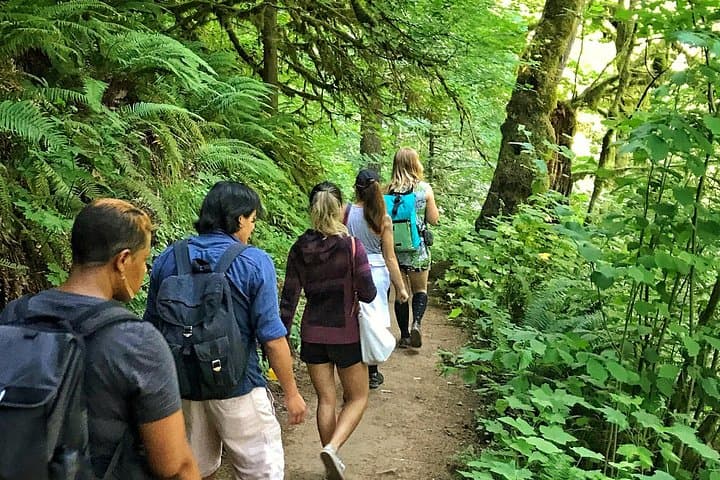
Lose the city for a few hours without leaving it: this 5-mile, 900-foot-gain Forest Park loop threads old-growth pockets, city viewpoints, and cultural landmarks for a compact taste of Portland’s wild side. Expect moss, roots, and stories.