

What the day feels like
You arrive at Parque Garota de Ipanema before the city stretches fully awake. The sidewalks still hold the last breath of night; streetlights drip into the Atlantic. Palm trunks cast long, patient shadows across the park’s green, and the ocean—silvered, restless—keeps time with a distant surf. A line of beach kiosks yawns open, and the smell of coffee rises like a local invitation.
Parque Garota de Ipanema sits in the seam between the city and the sea, where Cariocas begin the day with movement—walking, surfing, yoga—and music follows close behind. It’s small in footprint but enormous in character: a public green ringed by Ipanema’s famed sand and the postcard sweep of the Dois Irmãos hills. Here you can practice the sober breath of Hatha Yoga under eucalyptus trees, or stroll a few blocks and find a musician retelling the origin of the song that put Rio on the map.
The park’s name is a direct nod to Brazilian cultural memory: Garota de Ipanema—the Girl from Ipanema—was immortalized in the early 1960s by Tom Jobim and Vinícius de Moraes. The song’s languid melody and soft swing are the sort of soundtrack that hangs in the air as you move through this neighborhood: its sound is in the rhythm of morning walkers, in vendors shouting about freshly squeezed juice, in a guitarist who lingers at the foot of the beach.
Geologically, Ipanema is a classic coastal break—sand built from ancient river and rock erosion, backed by low dunes and bedrock outcroppings that appear along the surf. The Dois Irmãos—twin peaks at the eastern end—are a constant, sculptural presence that frame the bay and provide photographers a horizon line that’s almost cinematic. Cultural history and daily life are inseparable here: Cariocas have used the park and adjacent promenade as a social stage for decades, from political protests to impromptu samba circles.
If you want to engage the place like a local, there are two approachable ways to do it. First, Outdoor Yoga by Ipanema Beach runs sessions in Parque Garota de Ipanema on weekday mornings (6–10 AM) and afternoons (16–19 PM). Classes vary—Hatha, Vinyasa, Regenerative, even Sound Healing—and they’re intentionally accessible for travelers. The practice anchors you: a sequence of sun salutations that opens the shoulders to the ocean wind, slower restorative poses that let the sound of waves become part of the inhale and exhale.
Second, the Bossa Nova Walking Tour is less about photos and more about listening. For three hours, a musician-guide leads you through Ipanema and Copacabana—stopping at ten historically resonant spots: beachfront kiosks, tucked bars, and corners where melodies were first hummed. The guide performs live, sings, and gives context—how Jobim’s chordal genius coalesced with the city’s rhythms, and how a single melody could carry an entire country’s mood to the world.
Both experiences fit the park because Parque Garota de Ipanema is a human-centered green: gentle slopes, paved paths, benches, and open lawn. It is not technical or wild, but it is vivid and sensory. Expect the ocean to demand attention—the spray, the gull calls, the way sunlight pools and then scatters on the water. Nature here is an active partner; it insists you notice the small marvels even while you breathe and listen.
Practical: if you’re scheduling a yoga session, aim for early morning to catch cooler air and softer light—mats on the grass, tide at a low, and fewer crowds. For the Bossa Nova tour, book the 3-hour slot in the late afternoon if you want the soundtrack to morph into sunset; the music and the closing light are complementary. Both activities work well as stand-alone experiences or as bookends to a beach day.
Footwear should be comfortable—sandals for post-yoga strolls, supportive shoes for the walking tour—and bring sunscreen, a hat, and a refillable water bottle. Porto de Galinhas has taught Brazilians to drink well in the sun; Cariocas do the same. The park is monitored and generally safe during daylight hours, but it pays to mind belongings as you would in any major urban beach.
Local pride is big here. Vendors take care with their kiosks, and many instructors and guides are long-time residents who will point out a plaque, a doorway, or a cafe that mattered to a composer. Respect the space: keep the park tidy, listen first then ask questions, and tip guides and instructors who make your morning memorable.
Why go? Parque Garota de Ipanema is not an adrenaline rush or a wilderness escape; it is a place to tune your senses and align them with Rio’s tempo. It’s for travelers who want to combine gentle physical practice with culture—yoga that stabilizes your body and a walking tour that remaps your sense of melody to place. It’s compact, accessible, and lined with the sounds and smells that make Rio a city of movement.
The park’s pleasures are immediate. Say yes to the early-morning salt air in your lungs. Let the guitar on the street corner reframe your idea of rhythm. Walk past the kiosks and order a small coffee—sit, watch the world perform itself, and remember that some of the best travel moments are ordinary scenes done extraordinarily well.
If you go: book Outdoor Yoga by Ipanema Beach for an early session, then let your legs lead you into the Bossa Nova Walking Tour later that day. The combination gives you a practical workout and a cultural education—two ways to inhabit the same stretch of coast that once inspired one of the most famous songs in music history.
Trail wisdom
Small choices, better day.
Go early for quieter conditions
Morning classes (6–8 AM) offer cooler temperatures, smaller groups, and better light for photography.
Bring a refillable bottle
Tap water in Rio is generally treated; carry a reusable bottle and save money while staying hydrated.
Wear supportive shoes for the walking tour
The Bossa Nova walking route covers several kilometers and varied pavement—comfortable shoes prevent blisters.
Protect your skin and instruments
If you’re a musician or photographer, bring a UV-protective case or cover; sun and sand can damage gear quickly.
Local knowledge
Read the place, not just the route.
Watch for native species including shorebirds (sandpipers and plovers), tropical seabirds such as frigatebirds.
Keep an eye out for wildlife during the transition between areas and habitats. Respect distance guidelines.
Visitors are encouraged to use reef-safe sunscreen, avoid trampling dune vegetation, and support certified local guides and beach kiosks to keep the area economically and environmentally healthy.
Follow the guide's instructions on size limits, ethical handling, and leave-no-trace practices.
Feira Hippie de Ipanema (Sunday craft fair near General Osório). Praça Nossa Senhora da Paz—cafés and local life away from the main promenade
Locally recommended viewpoints and quiet spots known best to local operators.
The neighborhood inspired the 1962 song 'Garota de Ipanema' (The Girl from Ipanema) by Antônio Carlos Jobim and Vinícius de Moraes, a defining moment for bossa nova.
Maritime roots and regional tradition shape the waterways and working coasts.
Seasonal guide
Four versions of the same landscape.
Spring
Best forpleasant temperatures · flowers and green lawns · less crowded mornings
Challengesoccasional rain showers · spring wind that can be gusty
September–November brings warm, comfortable days ideal for morning yoga and long walks, though short showers are possible.
Summer
Best forvibrant beach life · long daylight hours · late sunset for evening tours
Challengeshigh heat and humidity · crowds and higher prices
December–February is peak season—great for atmosphere but prepare for heat, busy kiosks, and crowded tours.
Fall
Best forcalmer beaches · good light for photography · comfortable evenings
Challengesvariable weather · reduced afternoon services off-season
March–May offers steady conditions for walking tours and open-air classes, with fewer tourists than summer.
Winter
Best forclear skies on cool mornings · lower accommodation rates · peaceful early sessions
Challengescooler water temperatures · some off-season closures
June–August is milder and less humid; early classes are crisp and invigorating but the sea will be cooler.
Pack with intention
What to bring.
Good to know
Common questions.
Advance booking is recommended for morning and evening peak sessions, though some classes accept drop-ins if space allows.
Plan the edges
The details that make the day easier.
The song 'The Girl from Ipanema' was written in 1962 by Antônio Carlos Jobim and Vinícius de Moraes and was inspired by a real young woman, Heloísa 'Helô' Pinheiro, who walked past the bar where the composers sat.
Carioca culture here blends beach fitness, music, and small-scale entrepreneurship—order a fresh açaí bowl, listen for live guitar between classes, and linger at kiosks for simple seafood and coffee.
- Location
- Ipanema, Rio de Janeiro • Cost: Varies by class
- tour (book online) • Best time
- Early morning or late afternoon • Accessibility: Park paths are paved; confirm mat availability in yoga classes.
Choose reef-safe sunscreen, avoid single-use plastics, hire local guides and instructors, and respect posted signage to protect coastal vegetation and marine life.
Explore by topic
Follow the threads.
Keep exploring
Make the story part of the trip.
In four hours you can move from shaded canyon ferns to wind-scoured coastal ridgelines, guided by someone who knows where the light—and the hidden views—live. This private half-day hike on the Monterey Peninsula or Big Sur is compact, curated, and perfect for travelers who want depth without a multiday commitment.
 Related story
Beneath a sky of shifting light, Skaftafell’s ice reads like a map of time. This three-hour guided glacier hike mixes technical instruction with geology and culture: compact, safe, and unforgettable.
 Related story
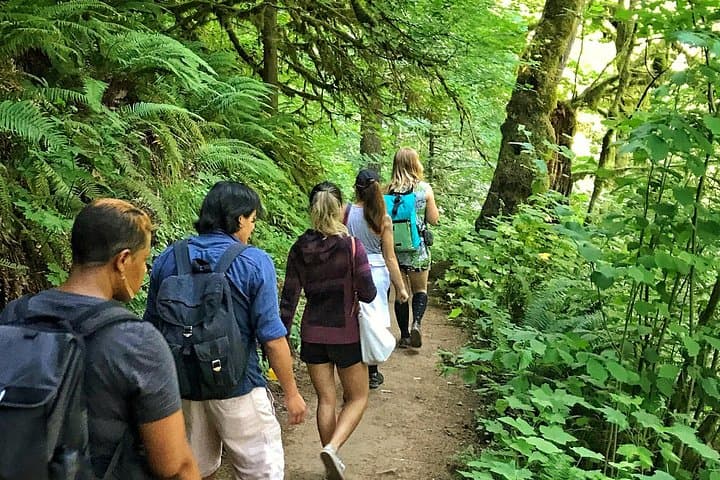
Lose the city for a few hours without leaving it: this 5-mile, 900-foot-gain Forest Park loop threads old-growth pockets, city viewpoints, and cultural landmarks for a compact taste of Portland’s wild side. Expect moss, roots, and stories.